Contradictory statements from Iranian and American officials have created uncertainty over the status of the Strait of Hormuz, one of the world's most critical shipping lanes, as a ceasefire between Iran and the United States nears its expiration, according to reporting by NPR.
Iran's military announced on Saturday that the strait had "returned to its previous state," a declaration suggesting the waterway was once again open to normal maritime traffic. The statement offered little additional detail about what prompted the announcement or what conditions had changed.
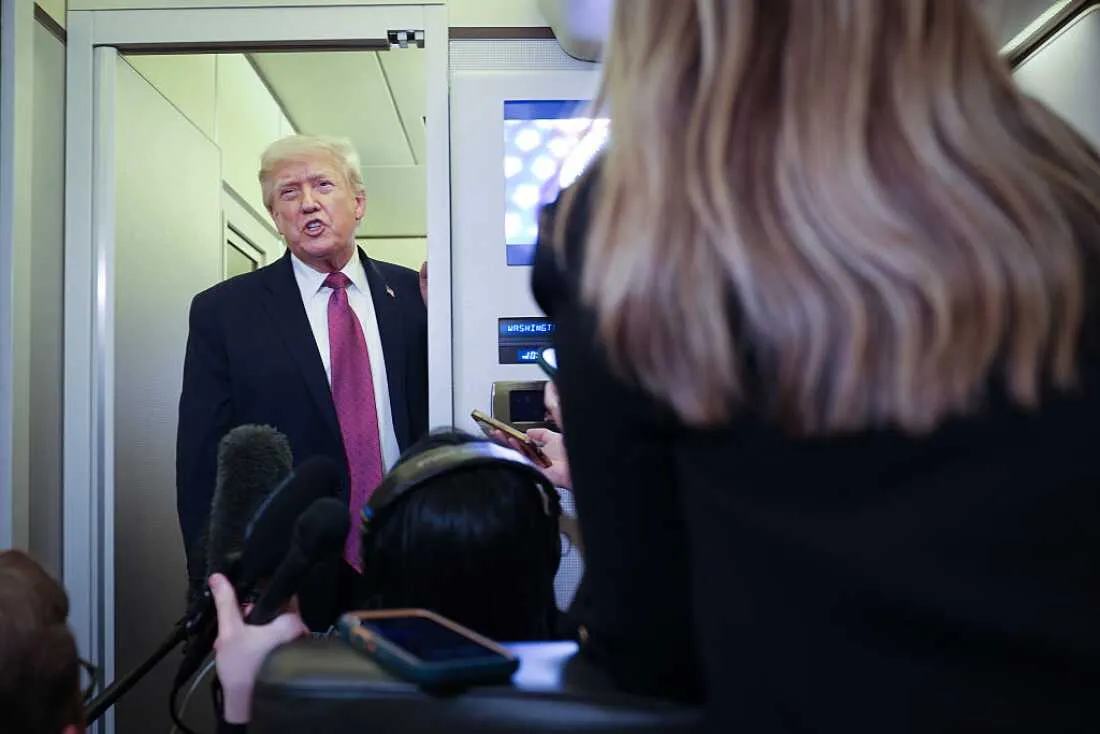
The claim stood in direct contrast to the position of President Donald Trump, who had stated that a blockade on Iranian ports would remain in place. Trump's stance indicated that U.S. pressure on Iran had not yet been lifted, leaving the actual navigability of the strait and surrounding waters unclear.
A strategically vital waterway
The Strait of Hormuz is one of the most important chokepoints in global energy markets. Roughly 20 percent of the world's oil supply passes through the narrow passage between Iran and Oman, making any disruption to traffic there a matter of significant international concern.
Tensions over the strait have long been a flashpoint in relations between Iran and Western nations. Any closure or interference with shipping in the waterway has the potential to send oil prices sharply higher and disrupt supply chains far beyond the immediate region.
Ceasefire timeline uncertain
The conflicting statements came as the ceasefire agreement between Iran and the United States was approaching its end, adding urgency to questions about what would follow. Neither side, according to available reporting from NPR, had publicly outlined a framework for extending the truce or transitioning to a more durable arrangement.
The gap between Iran's military announcement and the White House position left observers and international partners with limited clarity on the ground situation. It was not immediately confirmed whether commercial vessels had resumed normal transit through the strait following Iran's declaration.
The situation continues to be closely monitored by oil-exporting nations, shipping companies, and governments across Asia and Europe that depend on stable passage through the waterway for energy imports.