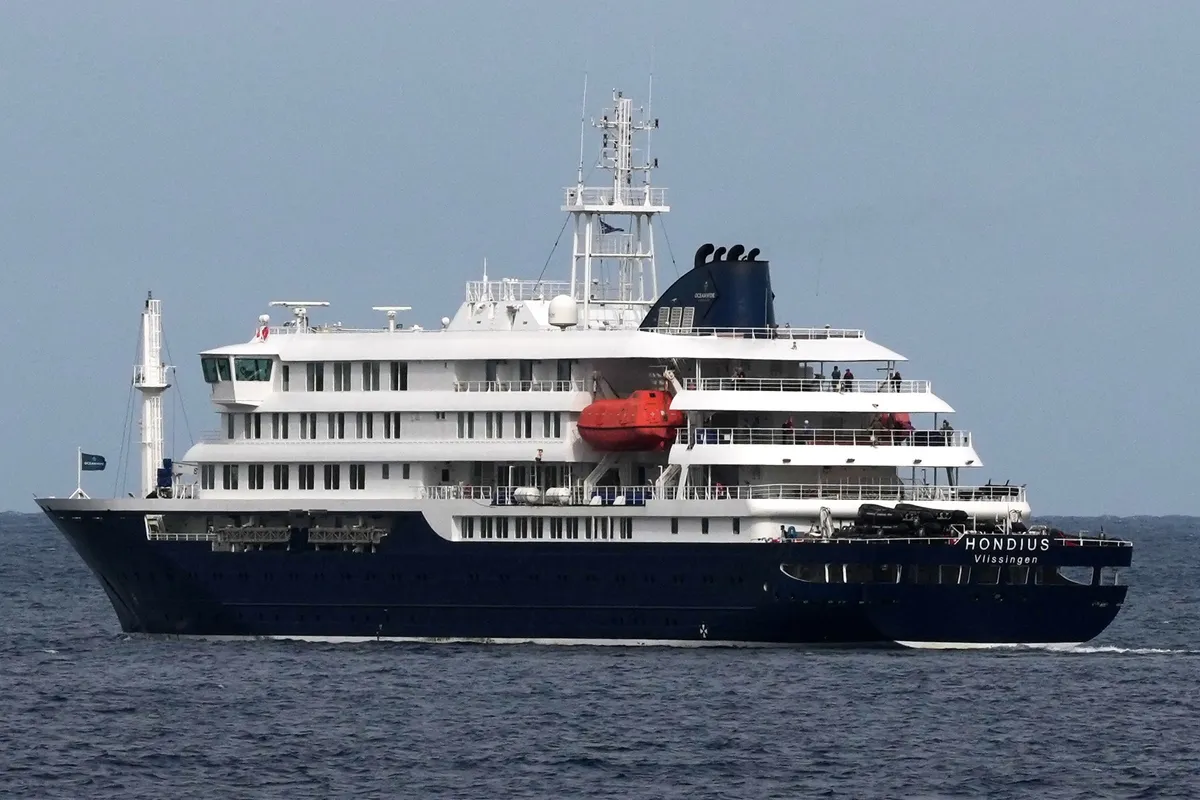
A cruise ship affected by a hantavirus outbreak has arrived at the port of Tenerife in Spain's Canary Islands, according to a report by Al Jazeera published on May 10, 2026.
Hantavirus is a rare viral disease most commonly transmitted to humans through contact with infected rodents, their droppings, or their urine. In exceptional cases, certain strains of the virus can be passed from person to person, a factor that raises concern when an outbreak occurs in an enclosed environment such as a cruise ship.
A contained but closely watched situation
The arrival of the vessel in Tenerife has prompted health authorities to assess the scope of the outbreak aboard the ship. Cruise ships present particular challenges for infectious disease containment due to the close proximity of passengers and crew and the recirculation of air in enclosed spaces.
Hantavirus infections can cause a range of serious conditions in humans, including hantavirus pulmonary syndrome, which affects the lungs, and hemorrhagic fever with renal syndrome, which impacts the kidneys. Both conditions can be severe, and there is no specific approved antiviral treatment for hantavirus infections.

Rare but serious pathogen
While hantavirus outbreaks on cruise ships are highly unusual, the disease is considered a significant public health concern when it does emerge in group settings. The virus is not typically associated with sustained human-to-human transmission, which distinguishes it from more commonly circulating respiratory illnesses.
Health officials in the Canary Islands have not yet released detailed figures on the number of individuals affected aboard the vessel, according to available reporting from Al Jazeera. Authorities are expected to conduct assessments of passengers and crew as part of standard outbreak response procedures.
Tenerife, one of Spain's most visited tourist destinations, receives dozens of cruise ships weekly and serves as a major port of call in the eastern Atlantic.
Further details on the origin of the outbreak, the number of confirmed cases, and the conditions of those affected had not been fully disclosed at the time of reporting.