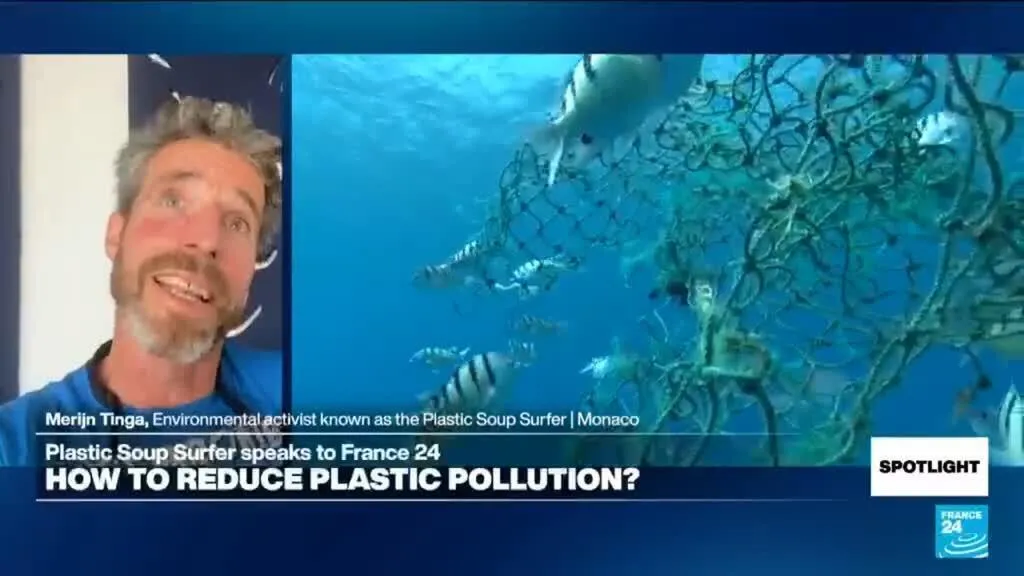
Plastic pollution is not only degrading the world's oceans - it is increasingly being associated with serious human health conditions including obesity and dementia, according to a biologist and ocean activist who spoke with France 24.
Merijn Tinga, a biologist known as the "Plastic Soup Surfer" for his combination of scientific work and ocean activism, appeared on France 24's Spotlight program to discuss emerging research connecting microplastic exposure to a range of chronic health conditions.

Tinga, who spends significant time on the water as a surfer, described a stark contrast between his experience at sea and daily life on land. France 24 reported him saying that on the water, focus narrows to wind and waves, while returning to shore means re-entering what he calls a "throwaway culture."
Health implications under scrutiny
The association between plastic pollution and conditions such as obesity and dementia represents a relatively recent area of scientific inquiry. Microplastics - tiny fragments shed from larger plastic products - have been detected in human blood, lung tissue, and other organs in studies published over the past several years.

Researchers have raised concerns that chemical compounds associated with plastics, including endocrine-disrupting substances, may interfere with hormonal and neurological processes in the human body. However, the scientific community continues to study the precise mechanisms and degree of harm involved.
A personal and professional perspective
Tinga's profile as both a scientist and activist places him in a growing group of researchers who combine field experience with public advocacy. His work, as described in the France 24 interview, draws attention to the gap between the scale of plastic production and public awareness of its downstream consequences - for marine ecosystems and for human health alike.

Global plastic production has grown rapidly since the mid-20th century, with hundreds of millions of tonnes produced annually. A significant proportion enters waterways and oceans through inadequate waste management systems, where it breaks down into microplastic and nanoplastic particles that enter food chains.
The France 24 interview did not present specific clinical findings or cite particular studies by name, but Tinga's broader message centered on the need to move away from single-use plastic culture before health and environmental costs compound further.
International efforts to address plastic pollution, including ongoing United Nations negotiations toward a global plastics treaty, have yet to produce a binding agreement, with discussions continuing among member states over production limits and waste management obligations.