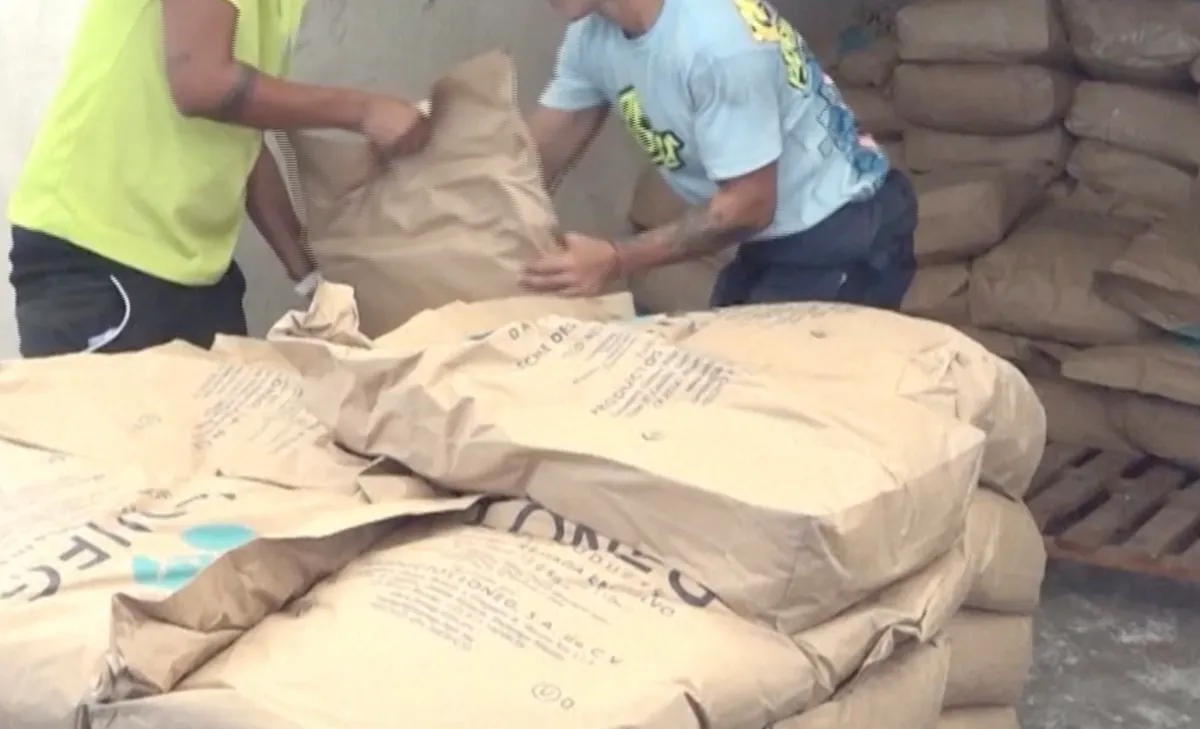
In news that somehow manages to be both heartwarming and deeply alarming, Cuba has begun distributing donated powdered milk supplied by Mexico and Uruguay, as the Caribbean island sinks deeper into one of its most severe food shortage crises in recent memory. Al Jazeera reports that distribution is now underway across the country.
How bad is it, exactly?
Bad enough that two neighbouring nations felt the need to ship over powdered milk. That is the kind of geopolitical 'thoughts and prayers' that actually involves logistics. Cuba has been struggling with crippling shortages of basic goods for years, with fuel, medicine, and food all in increasingly short supply. The situation has accelerated an already historic wave of emigration, with hundreds of thousands of Cubans leaving the island in recent years.

The donated milk is being targeted primarily at vulnerable populations, including young children and the elderly - the groups hit hardest when a country's food distribution system starts to buckle.
Who stepped up?
Mexico and Uruguay are the two countries riding in on this particular dairy-flavoured white horse. Mexico, under its current government, has maintained relatively warm diplomatic ties with Havana. Uruguay, for its part, has a long history of pragmatic humanitarian engagement in the region. Neither country's donation is enormous in the grand scheme of Cuba's needs, but in a crisis where powdered milk is scarce, every shipment counts.
The bigger picture
Cuba's shortages are not new, but they have deepened considerably. A combination of tightened U.S. sanctions, the lingering economic devastation from the COVID-19 pandemic, chronic inefficiencies in the state-run economy, and reduced Venezuelan oil subsidies have all piled on like the universe is trying to set a high score in 'things going wrong simultaneously.'
Power blackouts lasting more than 12 hours a day have been reported in parts of the country. Grocery store shelves that were already sparse have grown emptier. The Cuban government has acknowledged the difficulties while continuing to attribute much of the crisis to the U.S. embargo, which Washington maintains is a response to the Cuban government's human rights record.

What comes next?
A couple of shipments of powdered milk, however welcome, are not a structural solution to what is fundamentally a deep and compounding economic crisis. Humanitarian aid can plug gaps, but Cuba's longer-term trajectory depends on factors far larger than any single donation - including geopolitics, domestic policy, and whether the rest of the world is paying attention.
For now, though, the milk is there. And for the families receiving it, that matters enormously.