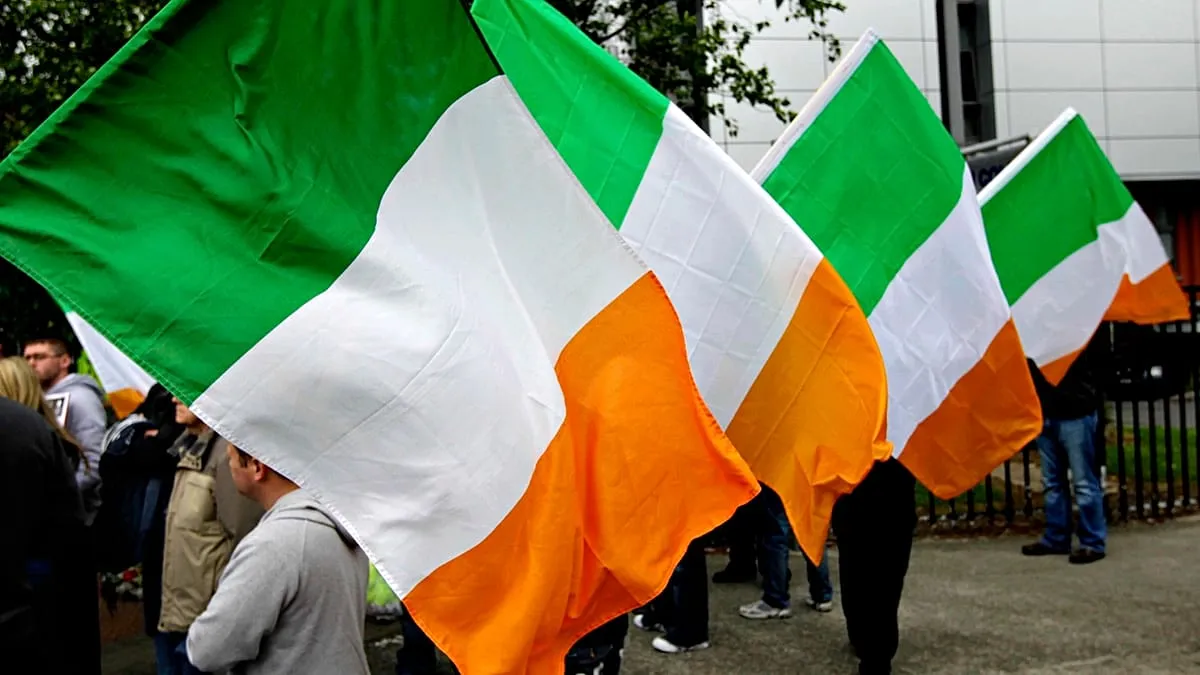
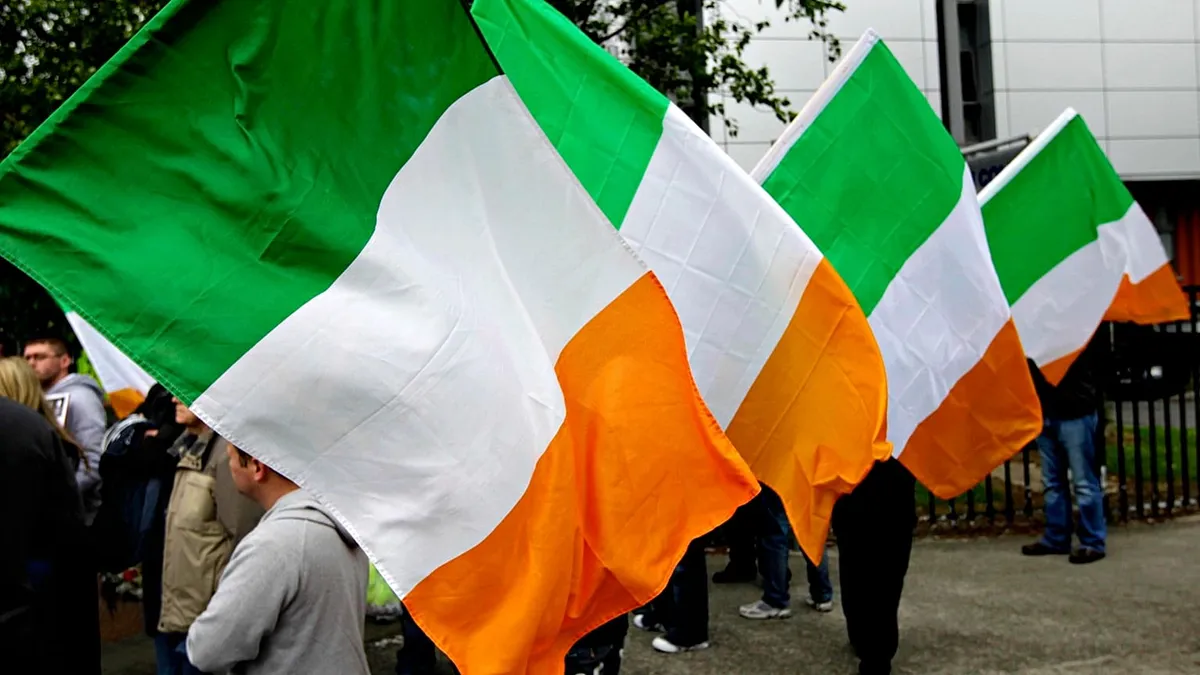
Ah, Ireland. Land of rolling green hills, Guinness, and - apparently - alumina exports to Russia. According to a report by Euronews, the Emerald Isle has found itself in a rather uncomfortable spotlight after it emerged that Irish companies have been shipping alumina (the powdery precursor to aluminum) to Russia, even as the rest of Europe performatively clutches its pearls over anything flowing eastward.
So what is alumina, exactly?
For the uninitiated nerds in the room: alumina is aluminum oxide, the refined intermediate product made from bauxite ore before it gets smelted into the aluminum you know from your soda cans and aircraft parts. It is a critical industrial material, and Russia's aluminum industry - dominated by the sanctions-hit giant Rusal - has been scrambling for supply since Western sanctions started biting. Ireland shipping it over is, as the kids say, not a great look.
Legal, but eyebrow-raising
Here is the fun part: according to Euronews, Ireland's alumina exports to Russia are completely legal. The material is not currently covered by EU sanctions. So technically, Ireland has done nothing wrong. But "technically legal" and "politically wise" are two very different animals, especially when Ireland is about to assume the presidency of the EU Council - the rotating chairmanship that puts one member state in the driver's seat of European legislative negotiations.
Taking the EU presidency while quietly shoveling industrial materials toward Russia is, diplomatically speaking, the equivalent of showing up to chair a diet club meeting with a bag of donuts.
The pressure is building
The report from Euronews notes that the timing has triggered outrage from critics who argue that even legal trade with Russia undermines the broader European effort to economically isolate Moscow over its war in Ukraine. Whether that outrage translates into policy pressure - either on Ireland directly or on the EU to expand its sanctions list to cover alumina - remains to be seen.
Ireland has long maintained a reputation as a pragmatic, trade-friendly economy. It has also been a vocal supporter of Ukraine within EU forums. Reconciling those two positions is now going to require some serious diplomatic gymnastics.
What happens next?
With Ireland stepping into the EU presidency, all eyes will be on Dublin to see whether it quietly winds down these exports to get ahead of the story, or whether it digs in and argues that legal trade is legal trade. Either choice carries significant political consequences - one at home with industries involved in the trade, and one across the continent where patience for any Russia-adjacent commerce is wearing very, very thin.
One thing is certain: Ireland's honeymoon period at the top of the EU Council table just got a lot shorter.