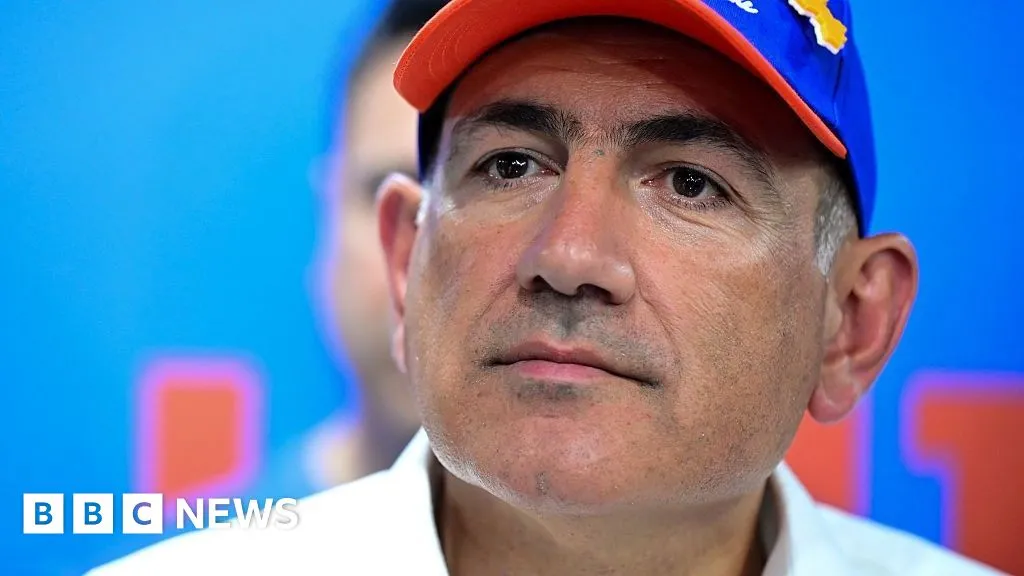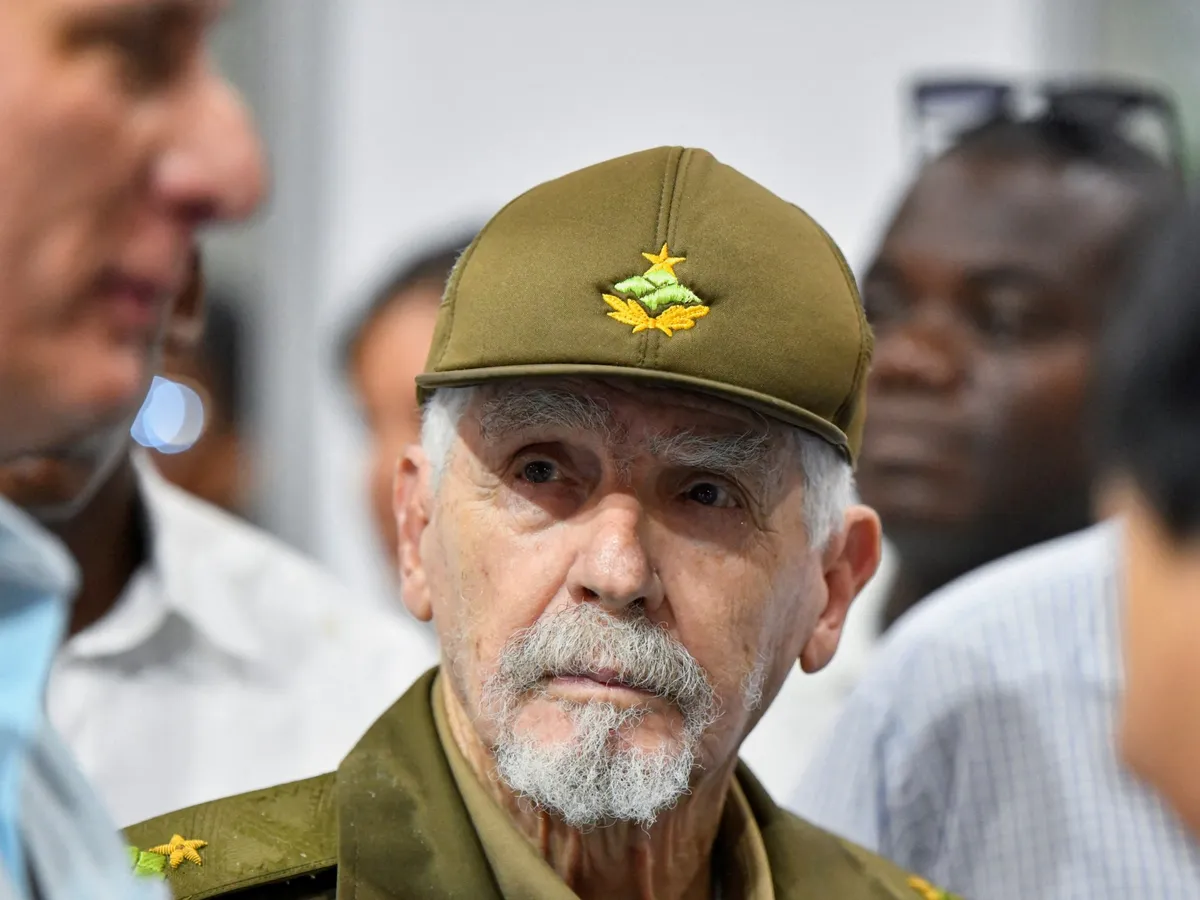
Ramiro Valdes, one of the last surviving figures from Cuba's 1959 revolution and a close ally of both Fidel and Raul Castro, has died at the age of 94, according to Al Jazeera. With his passing, yet another living thread connecting the island's present to its revolutionary origins has been severed.
From guerrilla fighter to spymaster
Valdes was not just some background character in the Cuban revolutionary drama - he was a central architect of the state that emerged from it. Among his most consequential contributions was helping to establish Cuba's intelligence and security apparatus, an institution that would go on to earn a deeply notorious reputation for surveillance, repression, and control of political dissidents.
Think of him as the guy who basically built the system that made sure nobody in Cuba could complain about the system. A founding father of the surveillance state, if you will.
A career that outlasted nearly everyone
Valdes managed to stay relevant - and alive, which in revolutionary politics is genuinely an achievement - through decades of Cold War tension, the collapse of the Soviet Union, the U.S. embargo, and the slow post-Castro transition. While many of his revolutionary comrades either died young, fell from political grace, or faded into irrelevance, Valdes held government positions well into his later years.
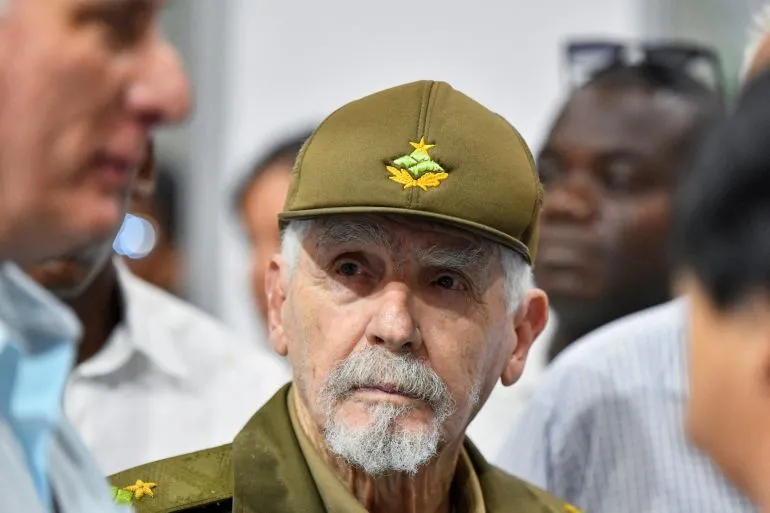
His longevity in both life and politics was, depending on your perspective, either a testament to his loyalty and adaptability, or a stark reminder of how tightly the original revolutionary circle held onto power in Cuba.
The end of an era, for real this time
Cuba has been losing its founding generation steadily. Fidel Castro died in 2016. Raul Castro, now in his 90s, stepped back from the Communist Party leadership in 2021. With Valdes gone, the cohort of people who actually stormed Batista's Cuba with guns and grievances is essentially gone.
What remains is a country navigating severe economic crisis, power shortages, and a historic wave of emigration - challenges that the revolutionary playbook offers few practical answers to.
Valdes leaves behind a legacy that is, to put it diplomatically, complicated. To supporters of the revolution, he was a committed defender of Cuban sovereignty. To critics and human rights organizations, he was a key builder of a repressive state apparatus responsible for decades of political persecution.
History, as usual, will argue about it for a very long time.