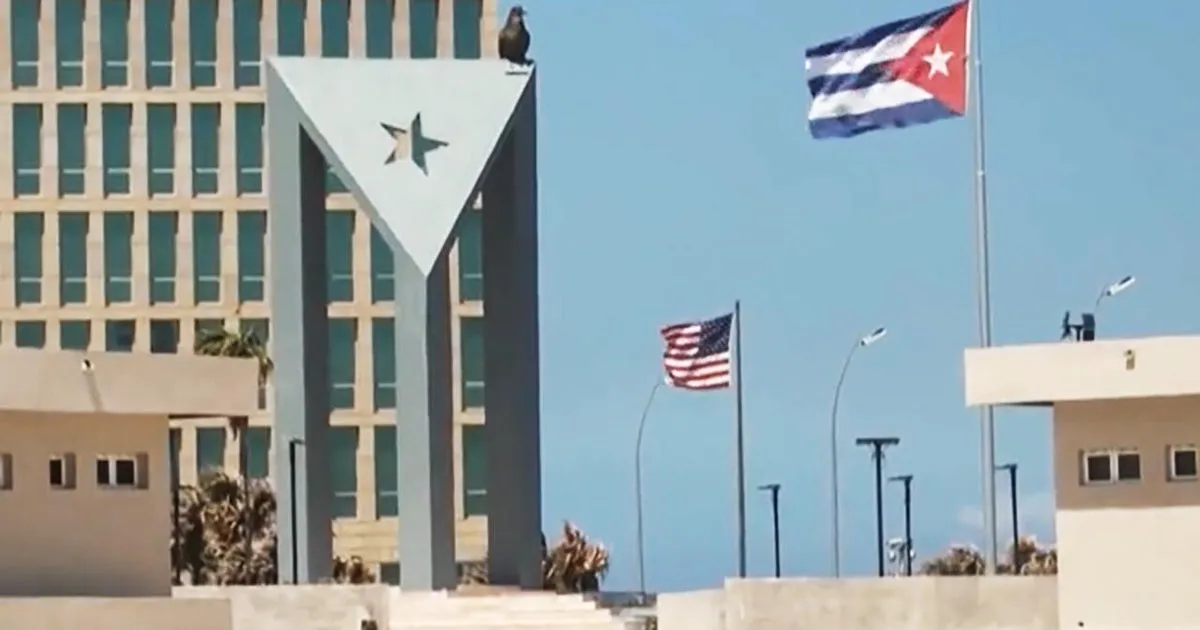
Cuba, a small island nation located just 90 miles off the coast of Florida, has occupied a disproportionately large space in American foreign policy for decades. As President Donald Trump has spoken about "taking Cuba," the friction between Washington and Havana continues to define relations between the two neighbors, outlasting even the death of longtime Cuban leader Fidel Castro, according to a CBS News report.
A rivalry rooted in the Cold War
The modern conflict between the United States and Cuba traces back to the Cuban Revolution of 1959, when Castro's forces overthrew the US-backed government of Fulgencio Batista. Washington's concerns quickly shifted from political to existential when Cuba aligned itself with the Soviet Union during the Cold War.
One of the most dramatic episodes came in 1961, when US-backed Cuban exiles launched the failed Bay of Pigs invasion, an attempt to overthrow Castro's government that ended in humiliation for the Kennedy administration. The following year, the Cuban Missile Crisis brought the world to the brink of nuclear war after the Soviet Union began installing ballistic missiles on the island.
Decades of embargo and isolation
The United States imposed a sweeping trade embargo on Cuba beginning in the early 1960s, a policy that remains largely intact today. The embargo, intended to pressure the Cuban government into political reform, has been a persistent source of dispute - both between the two countries and within international forums where the US position has repeatedly drawn criticism.
Relations saw a rare thaw under President Barack Obama, whose administration restored diplomatic ties with Havana in 2015 and eased some restrictions on travel and trade. That opening was largely reversed under Trump's first term, and further tightened under President Joe Biden, who maintained most of the sanctions.
Trump's renewed rhetoric
Trump's recent comments about "taking Cuba" have added a new dimension to a relationship already strained by longstanding policy disputes. The remarks echo a broader pattern of territorial rhetoric from the current administration, which has also made statements about Greenland and the Panama Canal.
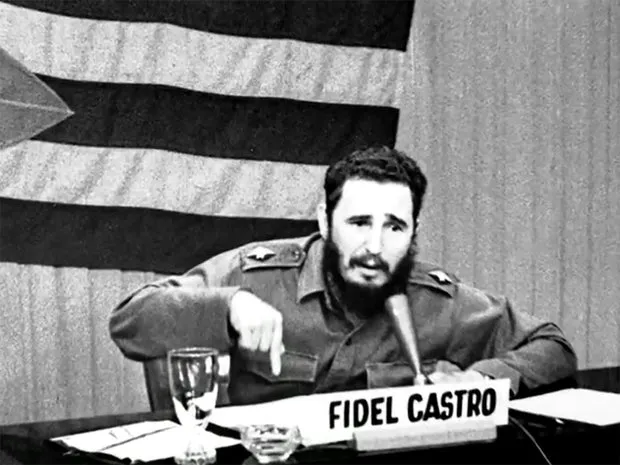
Cuba's government, now led by President Miguel Diaz-Canel following Raul Castro's formal retirement from the presidency in 2018, has consistently rejected US pressure and framed the embargo as an act of economic warfare against its people.
The Cuban-American community in Florida, a politically significant voting bloc, has long influenced US policy toward the island, generally favoring a harder line against the Cuban government.
As CBS News notes, the conflict between Washington and Havana has now persisted through more than a dozen US presidencies, surviving the Cold War, the collapse of the Soviet Union, and the death of the leader who defined the Cuban state for half a century.