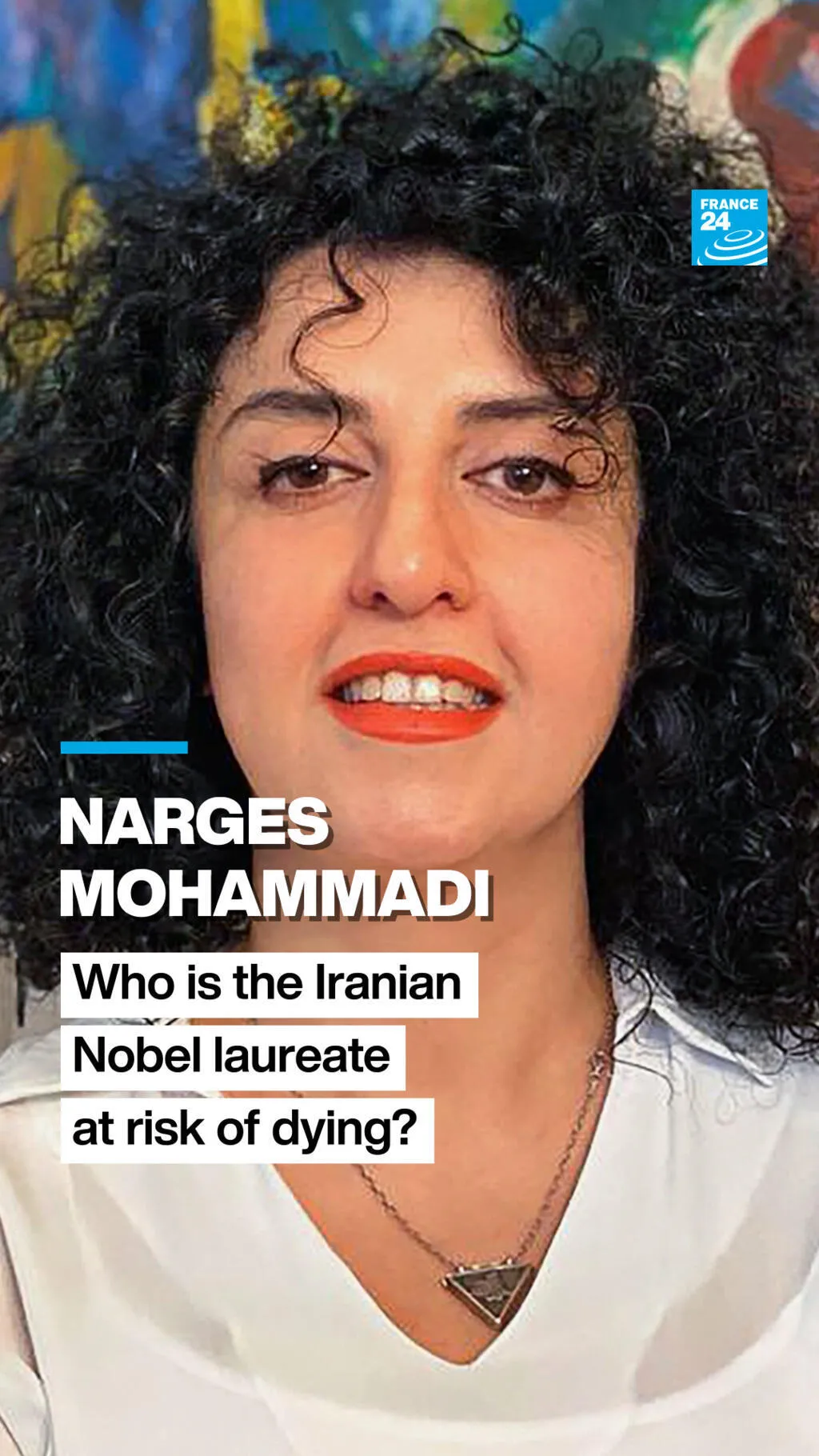
Iranian authorities have released Nobel Peace Prize laureate Narges Mohammadi on bail and transferred her to the capital Tehran for urgent medical treatment, according to reporting by France24. The release came after supporters and human rights advocates warned that her deteriorating health put her life at risk.
Mohammadi, one of Iran's most prominent activists, has been imprisoned for her campaign against the country's clerical system and its mandatory hijab laws. Her supporters reported that she suffered two suspected heart attacks while in custody, raising alarm among international observers and rights organizations.
A prominent voice behind bars
Mohammadi was awarded the Nobel Peace Prize in 2023 in recognition of her decades of activism on behalf of women's rights and against the death penalty in Iran. She was unable to attend the Nobel ceremony in Oslo because she was already imprisoned at the time of the award.
Her case has drawn sustained international attention since the Iranian government has repeatedly prosecuted her. She has accumulated multiple prison sentences across several convictions related to her activism and public statements against the state.
Health crisis prompts temporary release
The bail release does not represent an end to her legal jeopardy. Iranian authorities are expected to require her return to custody once her medical treatment is complete, according to the France24 report. The temporary nature of the release has done little to ease concerns among human rights groups who have long called for her unconditional and permanent freedom.
Iran's government has not publicly commented in detail on the circumstances of her release or the nature of her medical condition, as reported by France24.

International reaction
Her case has repeatedly drawn condemnation from Western governments, the United Nations, and international human rights organizations. Critics of the Iranian government argue that imprisoning Mohammadi - and allowing her health to deteriorate - amounts to politically motivated persecution of a peaceful advocate.
Iranian authorities have consistently defended their prosecution of Mohammadi, framing her activism as a threat to national security and public order.
Mohammadi's family, who live outside Iran, have been among the most vocal advocates for her release, regularly speaking to international media and lobbying foreign governments to apply pressure on Tehran.