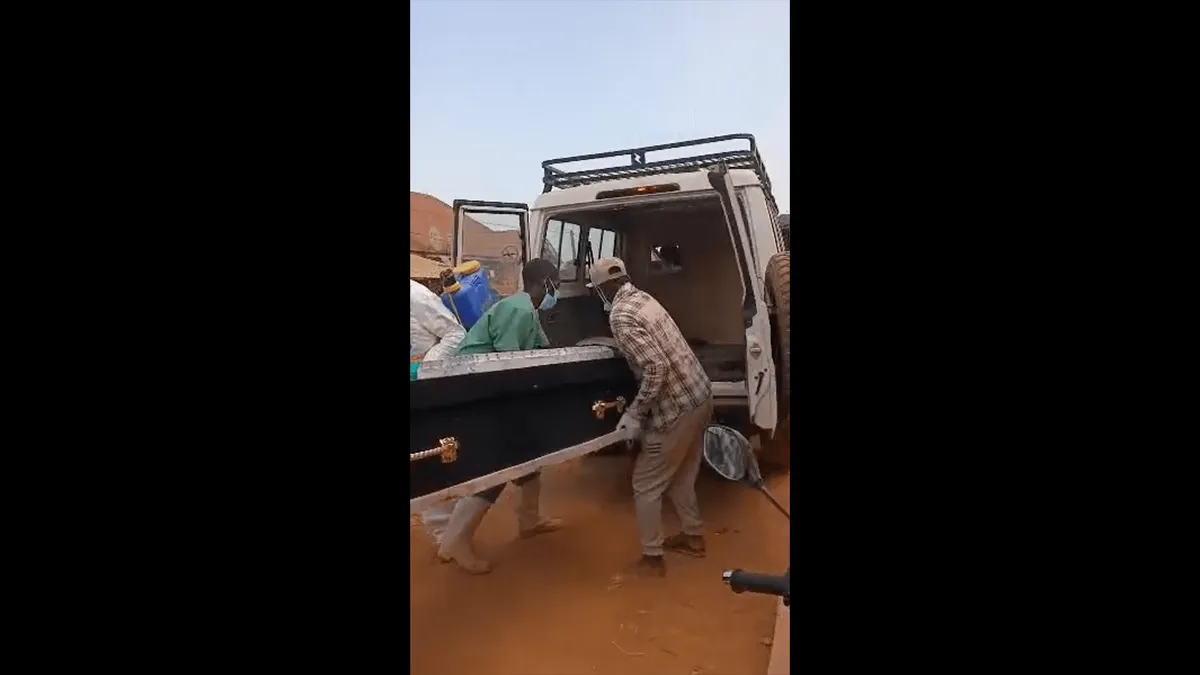
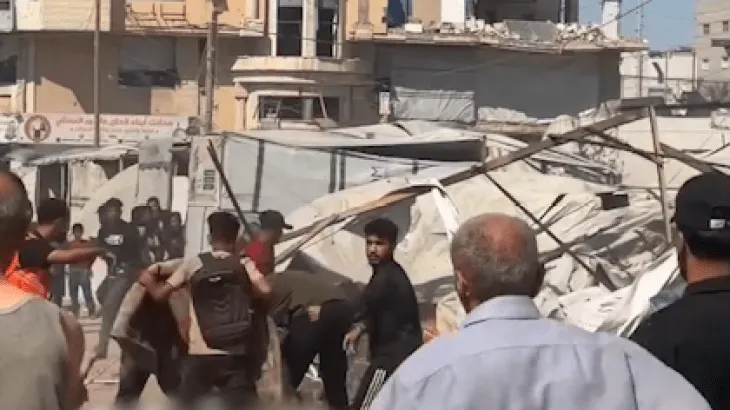
In a scene that captures just how brutally complicated epidemic response can be, clashes broke out between police officers and grieving mourners during the funeral of a suspected Ebola victim in the Democratic Republic of Congo, according to a report by Al Jazeera published on June 15, 2026.
The confrontation centered on the handling of the coffin - a flashpoint that reflects a much deeper tension between public health containment protocols and the deeply held cultural and religious traditions around burying the dead.
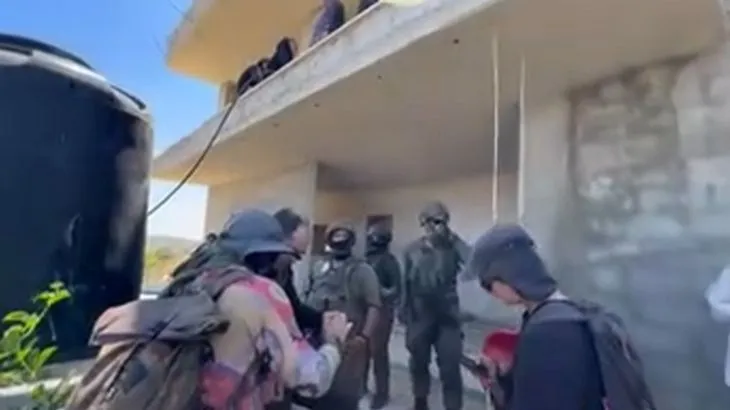
Why a coffin became a battleground
Ebola is notoriously transmissible through direct contact with the bodily fluids of infected individuals, and this risk does not disappear at death. In fact, traditional burial practices - which often involve washing and touching the body of the deceased - have historically been one of the primary drivers of Ebola spread during outbreaks in Central and West Africa.
Health authorities in the DRC have long maintained strict protocols around the bodies of suspected and confirmed Ebola victims, including sealed coffins, restricted handling, and supervised burials. For many communities, however, these rules can feel like an erasure of dignity - a bureaucratic intrusion into one of the most human experiences there is.

The result? A physical confrontation between those trying to enforce safety measures and those trying to grieve on their own terms.
The DRC's long and exhausting fight with Ebola
The DRC is no stranger to Ebola. The country has recorded more Ebola outbreaks than any other nation on Earth, including the second-largest outbreak in history between 2018 and 2020, which killed more than 2,200 people. Community resistance and mistrust of health workers was identified as a major obstacle during that crisis - and scenes like this latest funeral clash suggest that tension has not fully healed.
It is worth noting that at the time of reporting, the victim in question was still classified as a suspected Ebola case, meaning laboratory confirmation may not have been completed. Al Jazeera did not confirm whether the case was officially verified.
A reminder that outbreaks are never just a medical problem
If there is one lesson the global health community has absorbed - sometimes the hard way - it is that fighting a deadly virus is only half the battle. The other half is navigating the human reality of fear, grief, and distrust. Armed police at a funeral is rarely a recipe for building community cooperation.
How the DRC's health authorities respond to and communicate with affected communities in the coming days could matter just as much as any vaccine or treatment protocol.