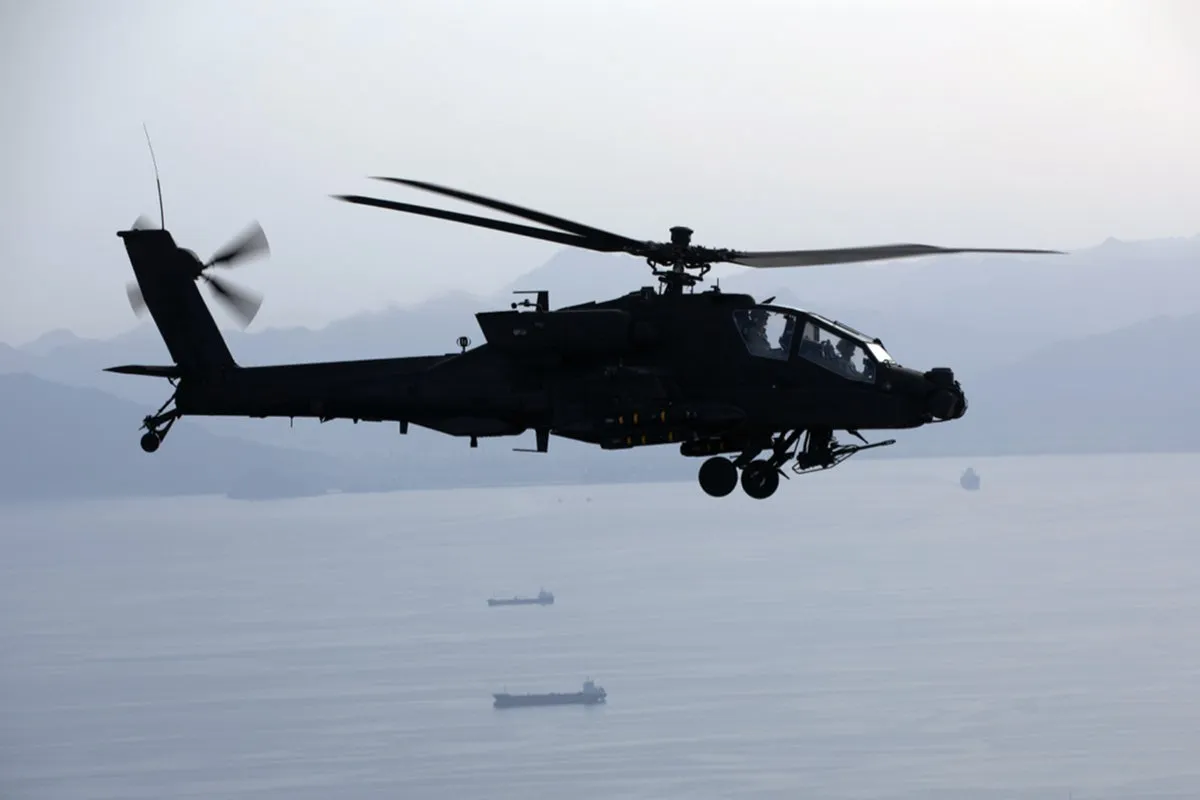
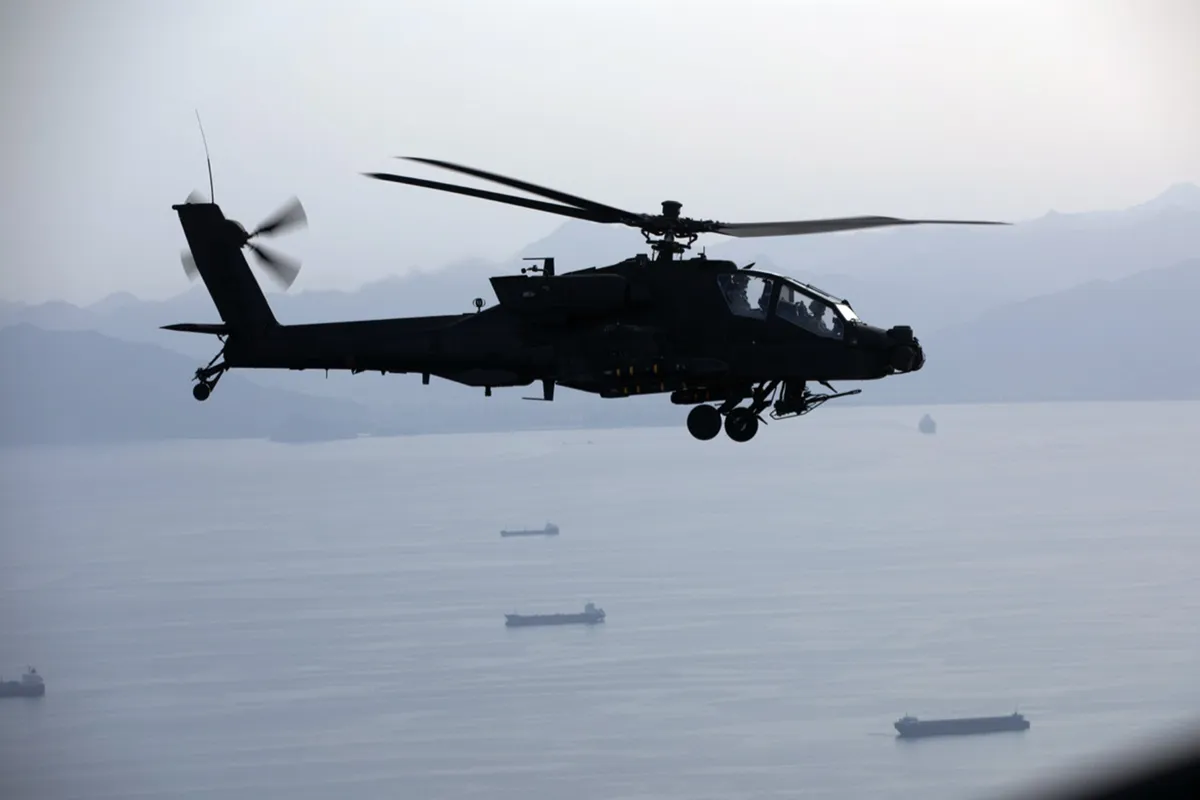
Because the Middle East clearly needed one more thing to worry about, a US Army Apache helicopter has crashed near the Strait of Hormuz - the narrow, oil-soaked chokepoint between Iran and the Arabian Peninsula that already holds the world's collective blood pressure hostage on a good day.
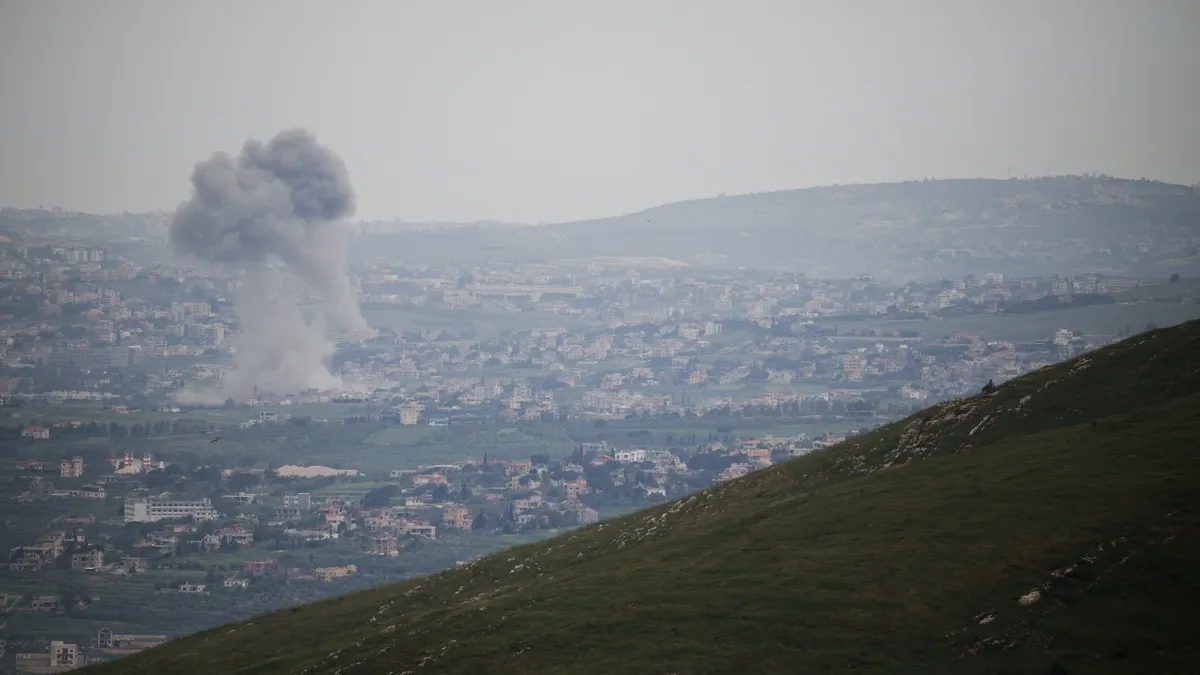
According to reporting by The Independent, the incident occurred as regional tensions are running unusually hot even by Middle Eastern standards, with Iran and Israel exchanging fire in recent days. Details about the cause of the crash and the condition of those aboard remain limited at the time of reporting.
Trump's optimism, undeterred by reality
Here is the part where it gets spicy: President Donald Trump has apparently looked at all of this - the helicopter crash, the Iran-Israel exchanges, the general vibes of a region on edge - and decided that a peace deal is "near." That is not satire. That is a direct claim attributed to the President, per The Independent's coverage.
To be fair, Trump has historically taken a maximalist approach to optimistic framing in negotiations, so "near" could mean anywhere from "tomorrow" to "geologically soon." Your mileage, as they say, may vary.
Why the Strait of Hormuz matters so much
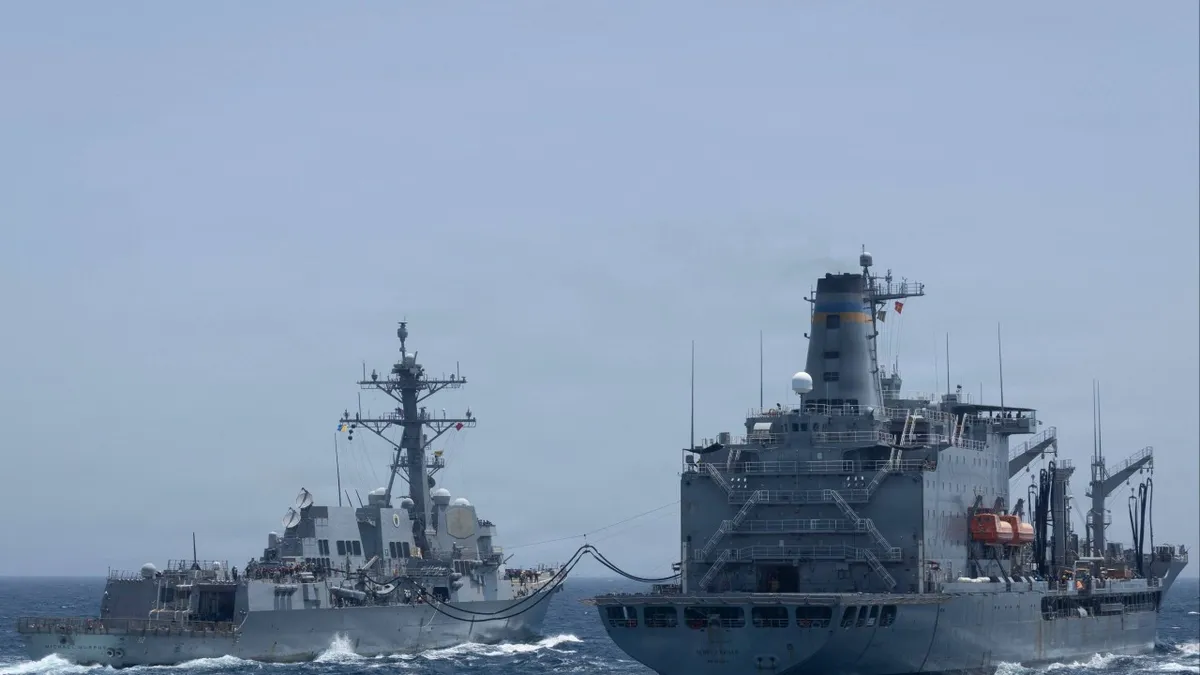
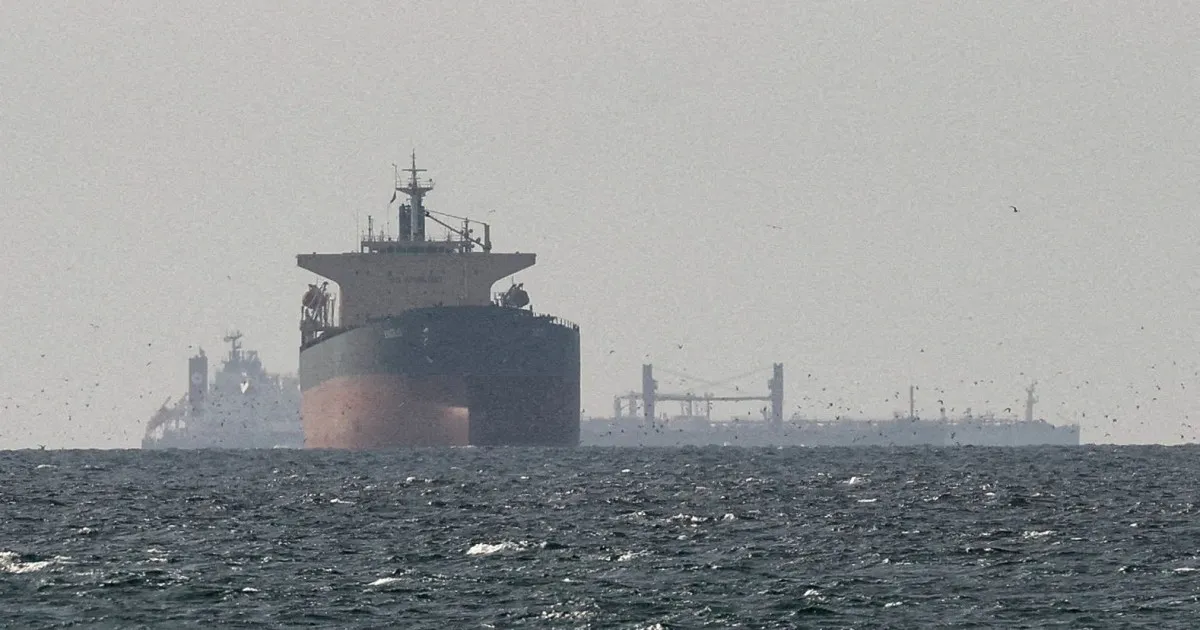
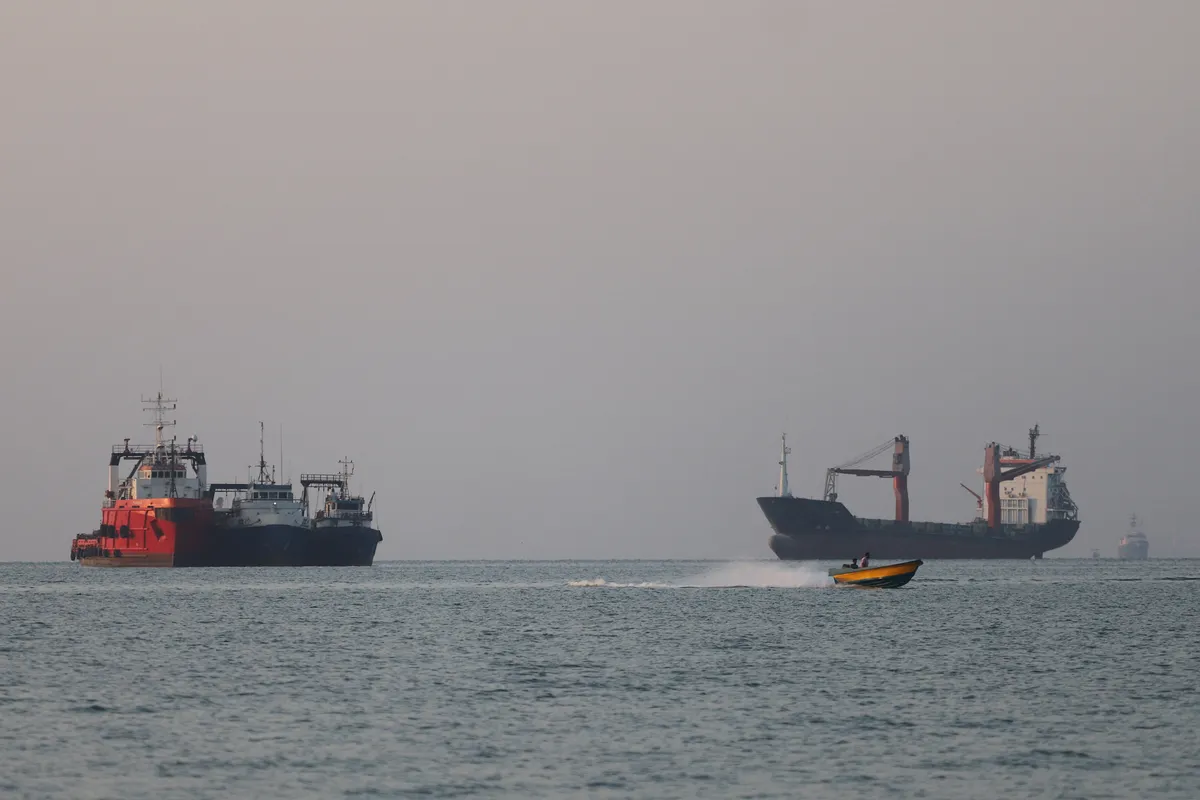
For the uninitiated, the Strait of Hormuz is not just any body of water. Roughly 20% of the world's oil supply passes through this 21-mile-wide bottleneck. It sits between Iran to the north and Oman and the UAE to the south, making it one of the most strategically sensitive maritime corridors on Earth. The US Navy maintains a significant presence there precisely because everyone involved understands what closing it - or even threatening to close it - would do to global energy markets.
An Apache helicopter crash in that specific neighborhood is the kind of event that makes military analysts reach for the antacids, regardless of whether it turns out to be mechanical failure or something more alarming.
The bigger picture
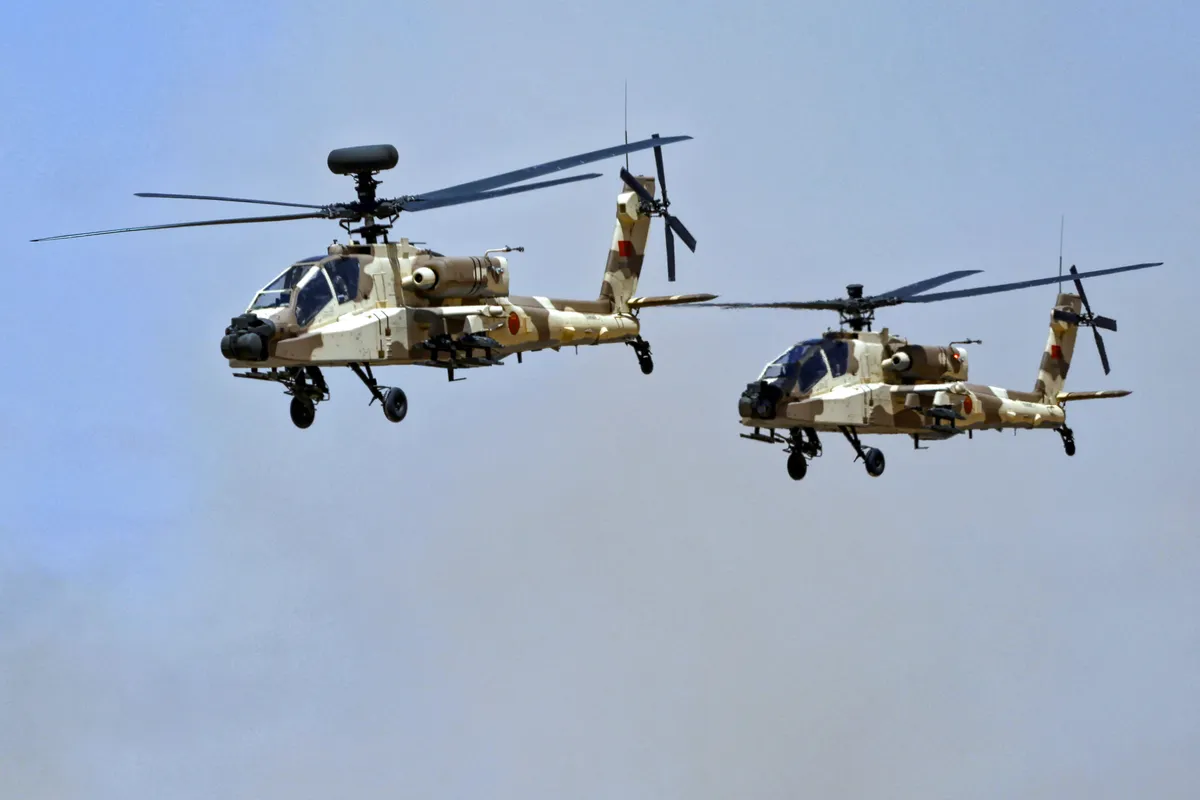
The crash lands - pun unfortunately intended - at a moment when the wider Iran-Israel conflict shows no clear signs of de-escalation despite diplomatic noise from Washington. Tehran and Jerusalem have been trading blows in the form of strikes and counter-strikes, and the US, as ever, finds itself planted firmly in the middle of a situation with no clean exits.
Whether this incident complicates Trump's stated optimism about a peace deal remains to be seen. What is certain is that the Strait of Hormuz continues to be the world's most inconvenient stretch of water - and someone is going to have to explain to their commanding officer why an Apache is currently not airborne.
Source: The Independent