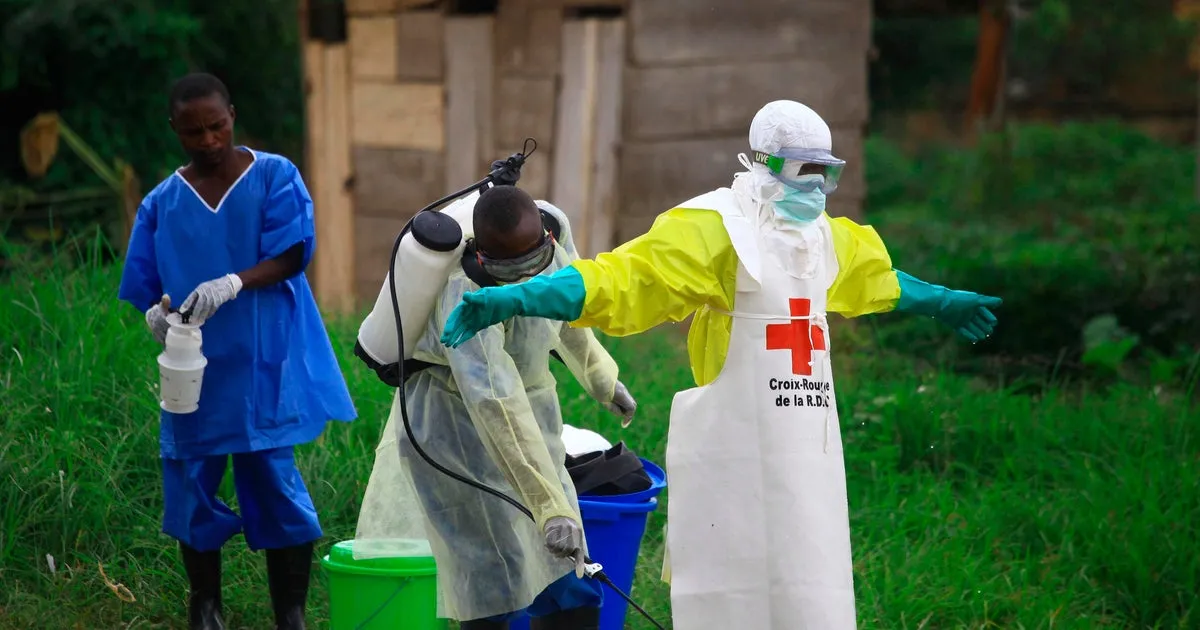
Just when you thought 2025 couldn't throw more curveballs, Ebola has re-entered the chat. A fresh outbreak in a remote province of the Democratic Republic of Congo has already claimed at least 65 lives and racked up 246 suspected cases, according to Africa's Centers for Disease Control and Prevention (Africa CDC), as reported by CBS News.
What we know so far
The outbreak is concentrated in a remote area of Congo, which - as any epidemiologist will tell you - is both a blessing and a curse. On one hand, geographic isolation can slow transmission. On the other hand, remote regions mean limited healthcare infrastructure, difficult supply chains for response teams, and communities that are harder to reach with treatment and public health messaging.
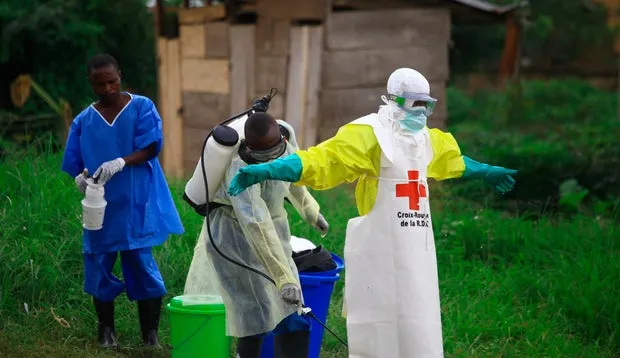
Africa CDC has confirmed the death toll stands at 65, with the 246 suspected cases still under investigation. The distinction between confirmed and suspected cases matters here - Ebola diagnosis requires laboratory testing, and getting samples in and out of remote areas takes time.
Why Ebola keeps coming back in Congo
This is not Congo's first rodeo. The DRC has suffered more Ebola outbreaks than any other country in the world, with the virus first identified near the Ebola River back in 1976. The country has battled over a dozen outbreaks since then, including a catastrophic epidemic in the country's east between 2018 and 2020 that killed more than 2,200 people.

Ebola is a zoonotic disease, meaning it jumps from animals to humans - most likely through contact with infected wildlife like fruit bats or non-human primates. In areas where bushmeat hunting is common and healthcare access is scarce, the conditions for repeat spillover events remain stubbornly in place.
Should the rest of the world be worried?
Context is important here. Ebola spreads through direct contact with the bodily fluids of symptomatic individuals - it is not airborne. Past outbreaks have been contained, and response mechanisms have improved significantly since the early days. However, the combination of a remote location, a high suspected case count, and an already significant death toll means international health authorities will be watching this one closely.

Africa CDC has not yet specified which province is affected or detailed what response operations are currently underway, per the CBS News report. Updates are expected as the situation develops.
For now, the outbreak serves as yet another reminder that infectious disease surveillance and healthcare investment in under-resourced regions is not a charity exercise - it is a global public health necessity.