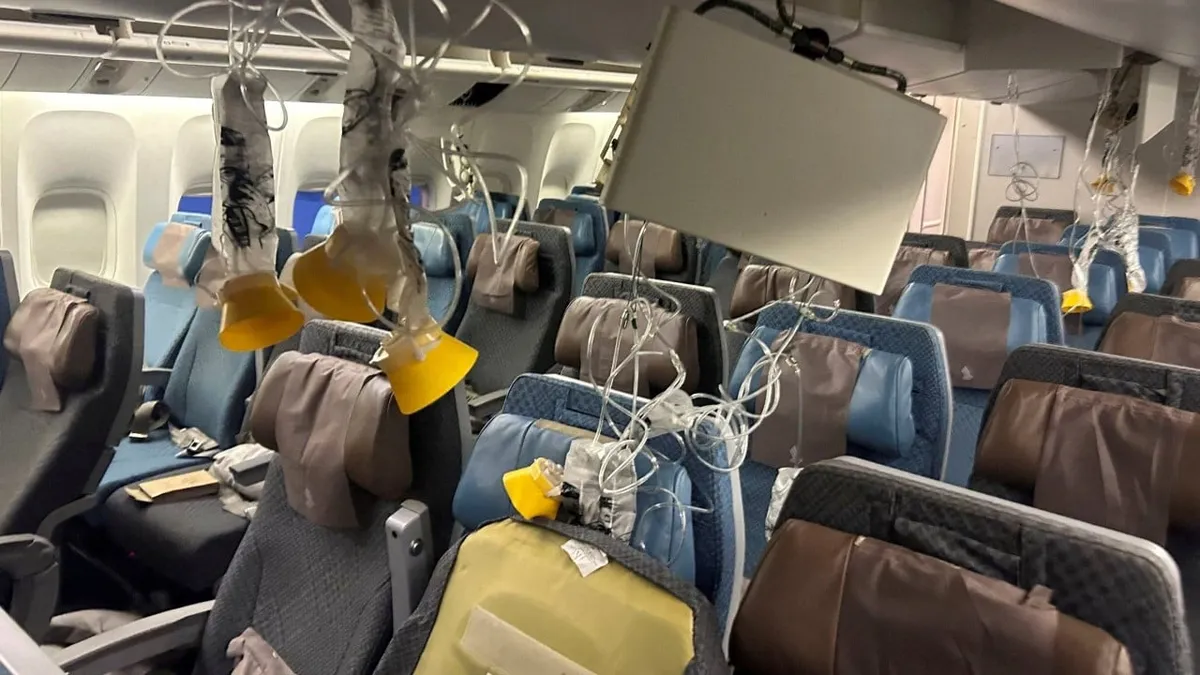
Remember that terrifying Singapore Airlines flight that turned a London-to-Singapore trip into a real-life disaster movie? Two years on, investigators have published their final report on flight SQ321 - and the findings are about as unsettling as turbulence at 37,000 feet.
According to reporting by the South China Morning Post, the report addresses the central mystery that had aviation watchers arguing for months: what exactly caused the severe turbulence that killed one passenger and left dozens of others injured, forcing an emergency diversion to Bangkok for medical treatment?
The invisible menace nobody saw coming
In the immediate aftermath of the May 2024 incident, a chorus of aviation analysts pointed the finger at clear-air turbulence - essentially pockets of violently churning air that leave zero visual trace. No clouds, no radar signature, no warning. Just smooth sailing one second and chaos the next.
The final report now appears to confirm the broad strokes of what those early analysts suspected, while drilling down into the specific atmospheric conditions that turned SQ321's cruising altitude into a shaken-not-stirred cocktail of disaster. Clear-air turbulence is notoriously difficult to detect because it occurs outside of cloud formations, meaning neither the flight crew nor ground systems could have spotted it on conventional weather radar.
Why this matters beyond one flight
This isn't just a postmortem exercise. Clear-air turbulence is projected to become more frequent and more intense as climate change continues to destabilize upper-atmosphere wind patterns - a fun bonus nobody asked for. Research published in recent years has suggested that severe clear-air turbulence over the North Atlantic could increase significantly by mid-century.
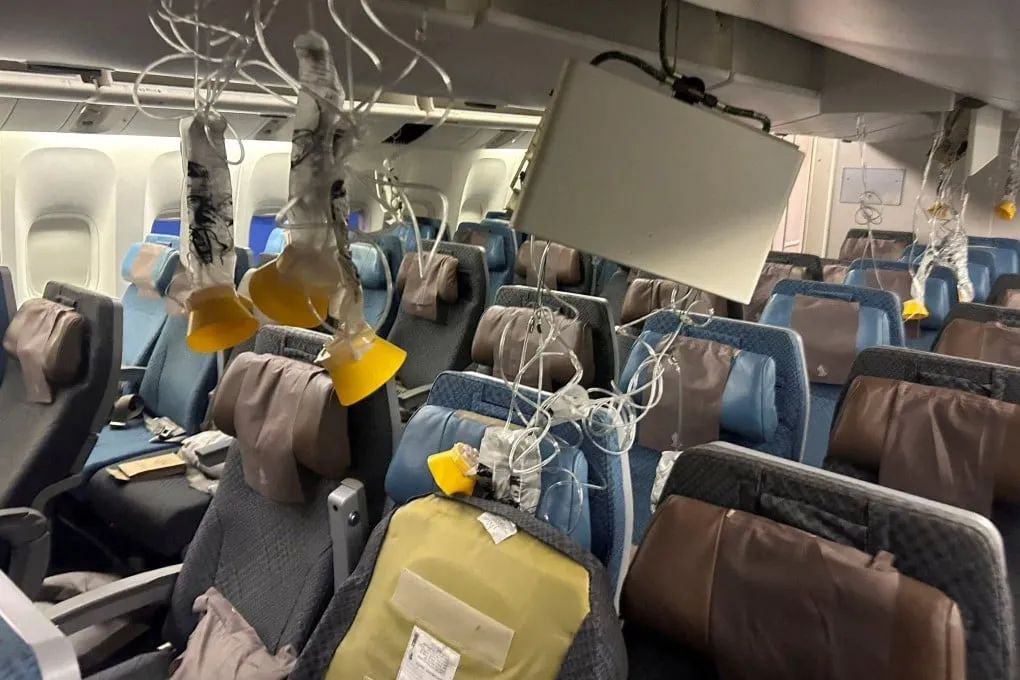
For airlines and aviation authorities, the SQ321 report carries real weight. It feeds into ongoing debates about whether current detection technology is adequate, whether seatbelt policies need tightening, and how crews should be trained to respond when the sky decides to throw a tantrum with absolutely zero notice.
The human toll
One passenger died - a 73-year-old British man who was later confirmed to have suffered a fatal cardiac event during the incident. Dozens more sustained injuries ranging from minor to serious, and the flight's diversion to Suvarnabhumi Airport in Bangkok triggered a large-scale emergency response.
Singapore Airlines, for its part, cooperated fully with the investigation and has not been accused of any operational wrongdoing.
The final report is now in the hands of regulators, airlines, and engineers who will presumably do something useful with it - ideally before the sky decides to pull this stunt again.
Source: South China Morning Post