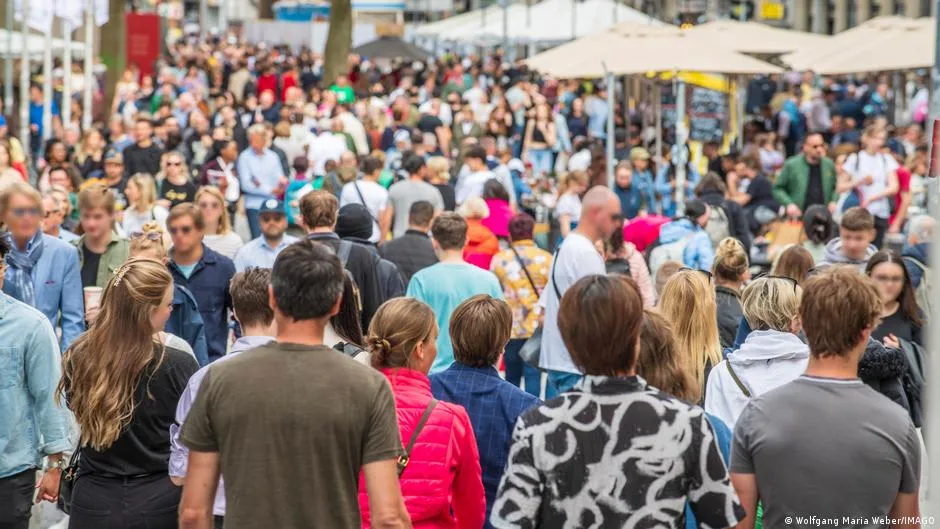
Europe has officially hit a new high score in the immigration department. According to Deutsche Welle, the foreign-born population across European Union member states has climbed to roughly 64 million people in 2025 - a record number that would make it, if it were its own country, the 23rd most populous nation on Earth. Let that sink in for a second.
Germany: the undisputed heavyweight champion of immigrant hosting
In absolute terms, Germany remains the EU's biggest host of foreign-born residents - which, given that it is the bloc's most populous member state, surprises approximately nobody. Berlin, Munich, and Hamburg continue to function as major migration magnets, drawing people from across the globe for work, family reunification, and asylum.
But here is where it gets genuinely interesting: when you flip the script and look at the percentage of foreign-born residents relative to total population, some of Europe's smaller nations absolutely blow Germany out of the water. Countries like Luxembourg and Malta - places you could theoretically drive across before finishing a podcast episode - host a dramatically higher share of immigrants per capita than their larger neighbours.
Why does this matter?
The 64 million figure is more than just a fun trivia number. It represents real demographic transformation happening across the continent, reshaping labour markets, schools, healthcare systems, and yes - political landscapes. Immigration has become one of the defining fault lines of European politics, with far-right parties in countries like France, Italy, and the Netherlands riding anti-immigration sentiment to historic electoral gains in recent years.
At the same time, many EU economies - particularly in ageing societies - remain structurally dependent on immigrant labour to keep pension systems afloat and fill gaps in healthcare, construction, and tech sectors. It is, in the grand tradition of European affairs, deeply complicated.
The bigger picture
A record immigrant population does not mean immigration policy is working smoothly - it means more people are choosing, or being compelled, to make their lives in Europe than ever before. The policy debates around integration, border management, and the distribution of asylum seekers between member states remain as unresolved as ever, even as the raw numbers keep climbing.
Whether you see 64 million as a success story of an open and attractive continent or a crisis of governance likely depends on which cable news channel you have been watching. But the number itself is not up for debate.