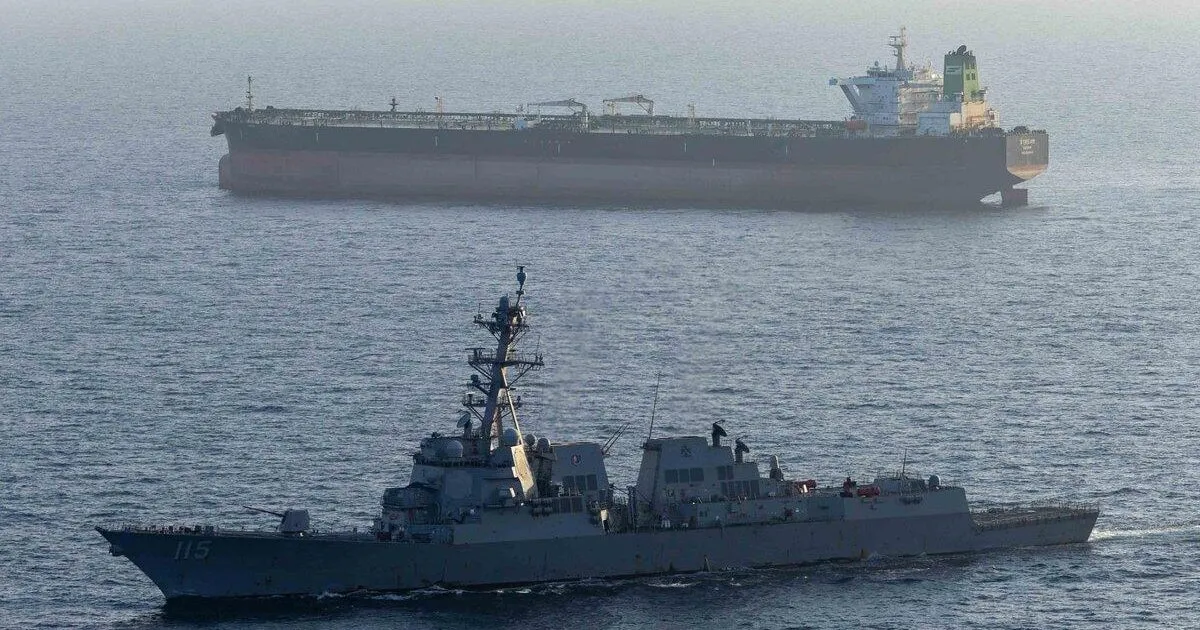
Iran wants a way out of its conflict with the United States, but do not expect it to come crawling to the negotiating table anytime soon. According to a Middle East-focused think tank leader and businessman with inside knowledge of the ongoing talks, Tehran is running two parallel calculations at once - and they are pulling in opposite directions.
On one hand, the economic damage from the conflict is real and mounting, and the Islamic Republic is genuinely motivated to reach a resolution beyond the fragile two-week truce currently holding things together. On the other hand, Iranian leadership reportedly believes their country has a significantly higher "pain tolerance" than the Americans - meaning they think they can absorb more suffering before being forced to compromise. That is a dangerous cocktail of desperation and stubbornness, and it is apparently what is currently steering Iranian foreign policy.
A truce, but not exactly peace
The two-week ceasefire between Iran and the US has bought some breathing room, but sources familiar with the negotiations suggest it is far from a stable foundation. According to reporting by the South China Morning Post, the think tank chief described the situation as a high-stakes endurance contest - both sides watching each other closely, each waiting for the other to show weakness first.
Iran's position, as relayed through this source, seems to be: yes, we are in pain, but you will feel it worse. Whether that assessment is accurate or simply a negotiating posture is, frankly, the question that could determine what happens next in the Middle East.
Why this matters beyond the region
The economic dimension of Tehran's calculus is worth unpacking. Sanctions, war-related disruptions, and general instability have ground down Iran's economy considerably. But the regime has historically shown a willingness to let its own population absorb economic hardship rather than make diplomatic concessions - a track record that lends some credibility to the "higher pain tolerance" framing.
For Washington, the challenge is the opposite. Public and political appetite for prolonged foreign entanglements is notoriously limited in the United States, a fact that Iranian strategists are well aware of and reportedly counting on.
None of this means a deal is impossible - quite the contrary. The think tank chief's assessment, as reported by the South China Morning Post, actually suggests both sides have incentives to find a resolution. The problem is that neither wants to appear to be the one who needed it more.
In other words: two parties who both want a deal, both convinced the other will fold first. What could possibly go wrong?