
The Trump administration has filed lawsuits against several U.S. states for refusing to provide Immigration and Customs Enforcement vehicles with confidential - a.k.a. undercover - license plates, according to reporting by Al Jazeera. And no, this is not a bit.
What's actually happening here
The Department of Justice has taken the legal position that states are obligated to hand over those special plates - the kind that don't trace back to a government agency when run through a database. These are the plates law enforcement uses when they don't want the people they're surveilling to know they're being watched by, well, law enforcement.
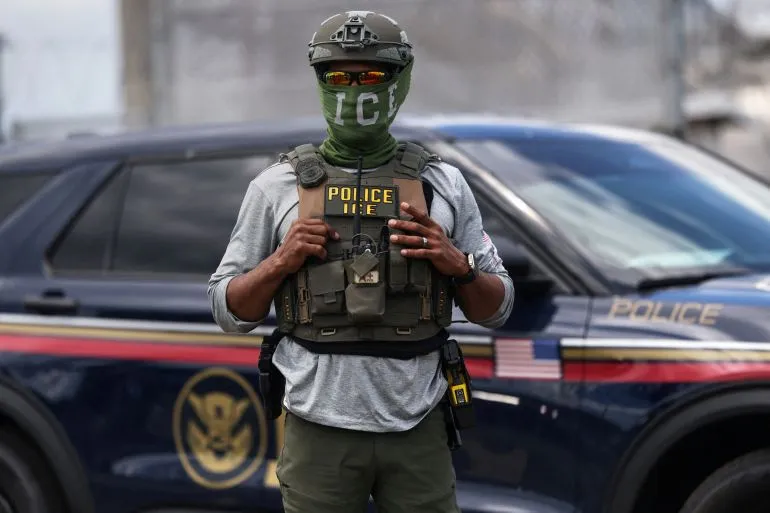
Some states, however, decided they'd rather not assist federal immigration agents in operating undercover, and told ICE to look elsewhere for their spy car accessories. The DOJ, clearly not thrilled with that answer, responded the way the Trump administration tends to respond to things it doesn't like: with lawsuits.
Why states are pushing back
The refusal from certain states reflects the broader tension between Washington and Democratic-leaning governments that have positioned themselves as pushback points against aggressive federal immigration enforcement. Handing ICE covert license plates isn't exactly a neutral administrative act - it's active participation in undercover operations that these states politically oppose.

It's also worth noting that confidential plates are not some quirky perk. They're a genuine operational tool that lets agents conduct surveillance without blowing their cover the moment someone runs the plate number. So yes, the stakes here are real, even if the optics of the federal government suing over car accessories sounds like the setup to a late-night monologue.
The legal argument
The DOJ's core argument, as reported by Al Jazeera, is straightforward: states don't get to pick and choose which federal agencies they cooperate with when it comes to legitimate law enforcement functions. Whether courts agree is another matter entirely - this sits at the messy intersection of federal supremacy, state sovereignty, and the anti-commandeering doctrine, which generally protects states from being forced to enforce federal law.
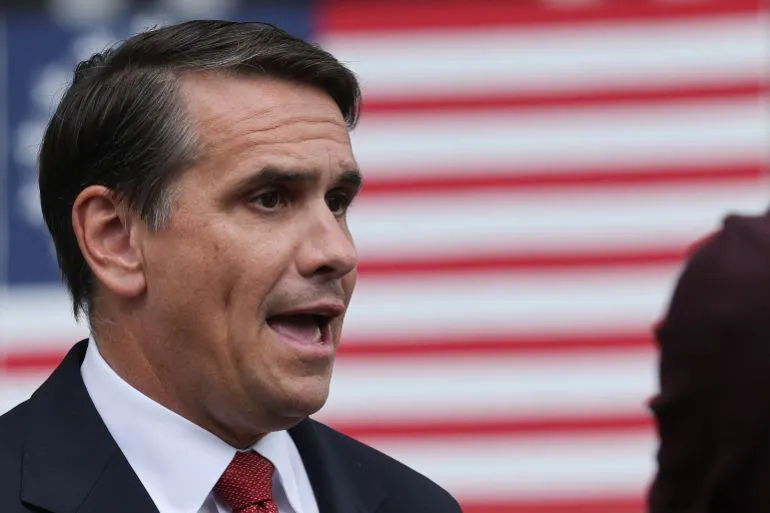
Legal analysts will have a field day with this one. Immigration hawks will cheer. Civil liberties advocates will raise eyebrows. And somewhere, a DMV clerk is very confused about how their job became a constitutional flashpoint.
The cases are ongoing, and given the current pace of immigration-related litigation in the U.S., expect this to wind through the courts for quite some time.