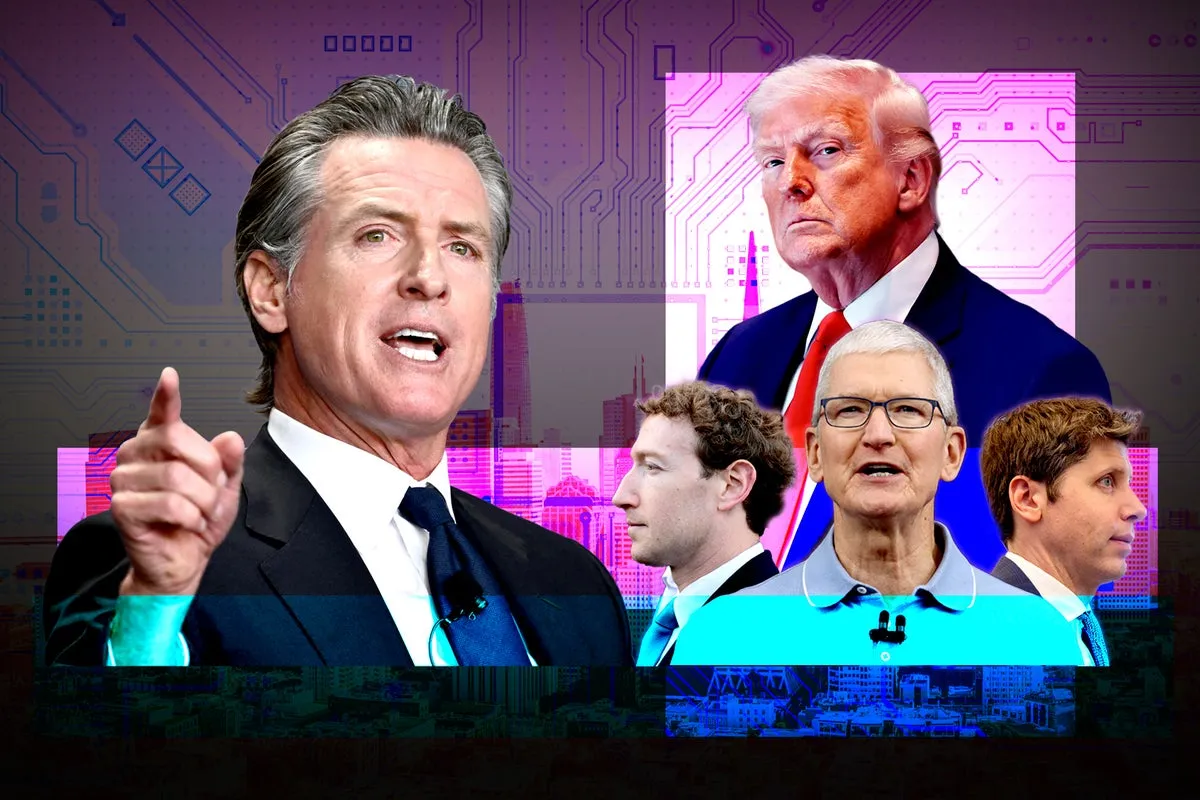
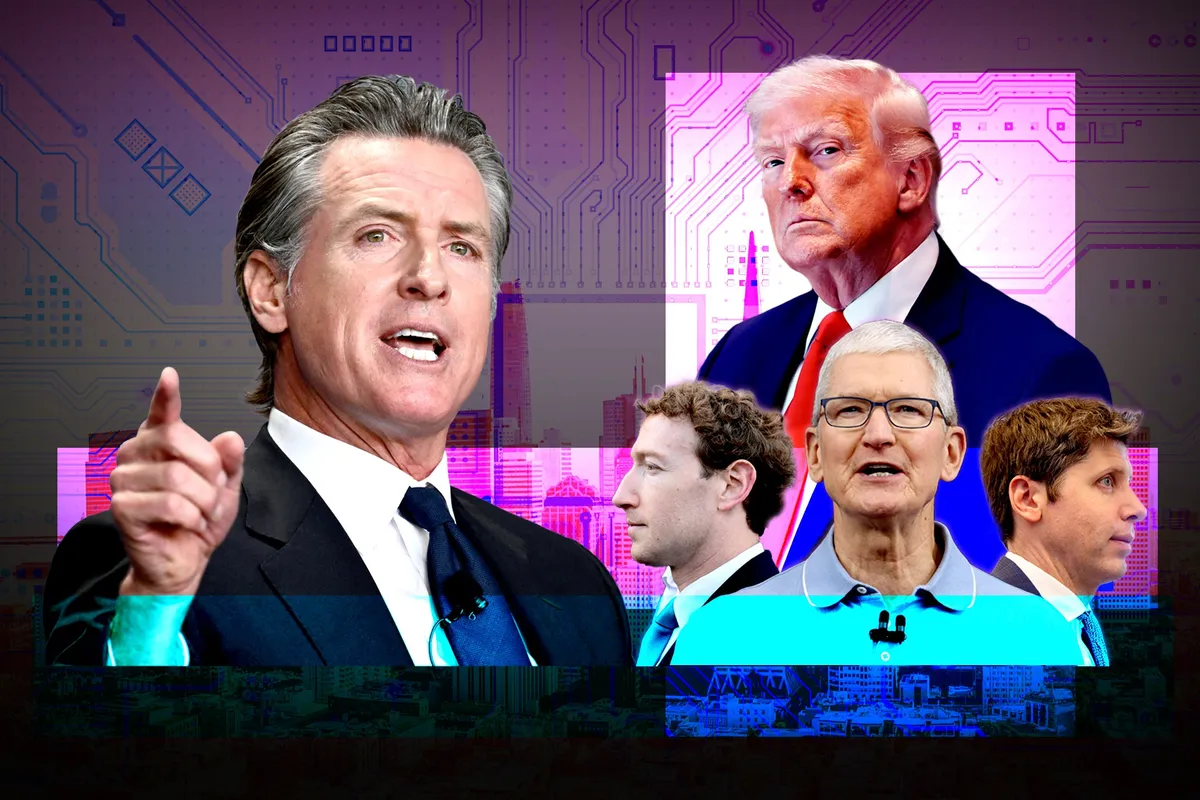
California, a state that seems constitutionally incapable of doing anything quietly, is at the center of a fresh political firestorm - and this time the kindling is a proposed one-time tax on its billionaire residents. The response from Big Tech? Roughly equivalent to someone suggesting they eat their Teslas.
According to reporting by Josh Marcus in The Independent, the proposal has managed to simultaneously divide Democrats, trigger a primary challenge against a prominent congressman, and serve as an early stress test for how the Democratic Party plans to handle its increasingly awkward relationship with Silicon Valley as the 2028 election looms on the horizon.

So what exactly is being proposed?
The tax in question is a one-time levy targeting California's billionaire class - the kind of people who own superyachts and then complain about the wind. While specific legislative details are still being debated, the proposal is significant enough to have tech industry figures reaching for their most dramatic vocabulary. One critic, per The Independent's reporting, reportedly described it as an "economic 9/11" - a comparison that says less about the tax and rather a lot about the person making it.
Why it matters beyond California
The real story here isn't just about state tax policy. It's about the fractures forming inside the Democratic Party over how closely to embrace - or confront - the tech billionaire class that has become an increasingly political force in its own right. The fact that this single proposal has already prompted a primary challenge against a sitting congressman shows just how high the temperature is running.

Silicon Valley's titans have spent years cultivating relationships across the political spectrum, and moments like this reveal how thin that goodwill can be when actual money is on the table. Mark Zuckerberg, whose Meta empire is headquartered in the state, is among the figures whose interests are wrapped up in how California navigates these tensions, according to the reporting.
The 2028 preview nobody asked for
Perhaps most importantly, this drama is arriving early enough to shape the terrain for the next presidential cycle. Democrats are already wrestling with how to talk about wealth, technology, and economic fairness without alienating donors or voters - and California, as usual, is running the experiment first and asking questions later.
Whether the tax ultimately passes or not, it has already accomplished something remarkable: making a bunch of some of the world's richest people loudly and publicly upset about the possibility of being slightly less rich. Which, depending on your politics, is either a bug or a very entertaining feature.