
Florida lawmakers convened a special session on Tuesday to consider redrawing the state's congressional district maps, making it the latest front in a broader Republican effort to strengthen the party's hold on the U.S. House of Representatives before the 2026 midterm elections, according to The Guardian.
The session in Tallahassee began with an unusual degree of uncertainty. No proposed map had been released ahead of the proceedings, and there was no clear legislative roadmap for how Republicans planned to expand their congressional representation in the state.
Part of a national pattern
Florida's special session follows a similar move in Virginia, where lawmakers voted to redraw district boundaries. Both efforts are part of a wider Republican push that has gathered momentum amid pressure from former President Donald Trump on GOP legislators to protect and expand the party's thin House majority.
Redistricting - the process of redrawing the geographic boundaries of congressional districts - can significantly alter electoral outcomes by concentrating or diluting the voting power of particular communities. The practice is legally permitted between the standard decennial census cycles in some states, though it often draws legal challenges.
Stakes for 2026
Republicans currently hold a narrow majority in the House, and strategists in both parties have identified redistricting as one of the more direct levers available to shift the chamber's balance of power without relying solely on voter persuasion.
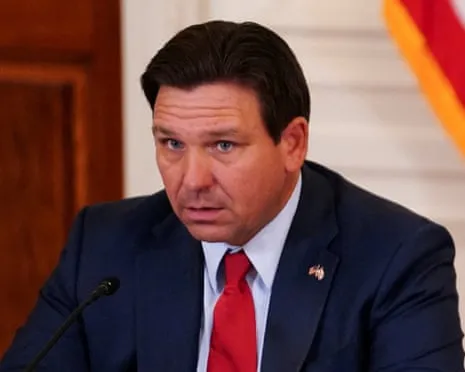
Florida, which has a Republican-controlled legislature and governor's office, has significant potential to influence the national map. The state sends 28 members to the House, making shifts in its district boundaries consequential at the national level.
The lack of a publicly circulated draft map before the session opened left both Democratic lawmakers and outside observers with little basis on which to analyze or contest the proposal in advance.
Legal and political challenges ahead
Redistricting efforts in Florida and other states are expected to face legal scrutiny. Courts have previously struck down maps found to dilute minority voting power or to constitute unconstitutional partisan gerrymandering under state law provisions.
Florida's constitution includes a Fair Districts amendment, passed by voters in 2010, that places restrictions on how maps can be drawn. That provision has been the basis for past legal challenges to Republican-drawn maps in the state.
The outcome of the Florida session is being closely watched by both national party organizations and redistricting advocates, as it could represent one of the final major map changes before voters head to the polls in November 2026.