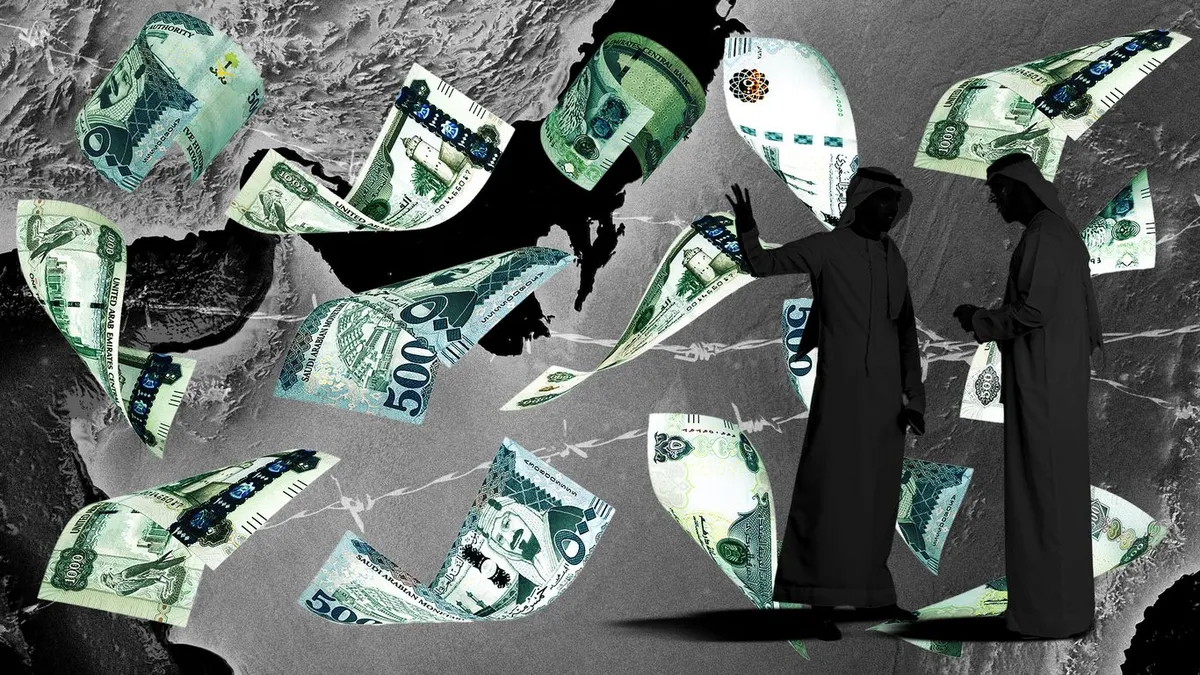
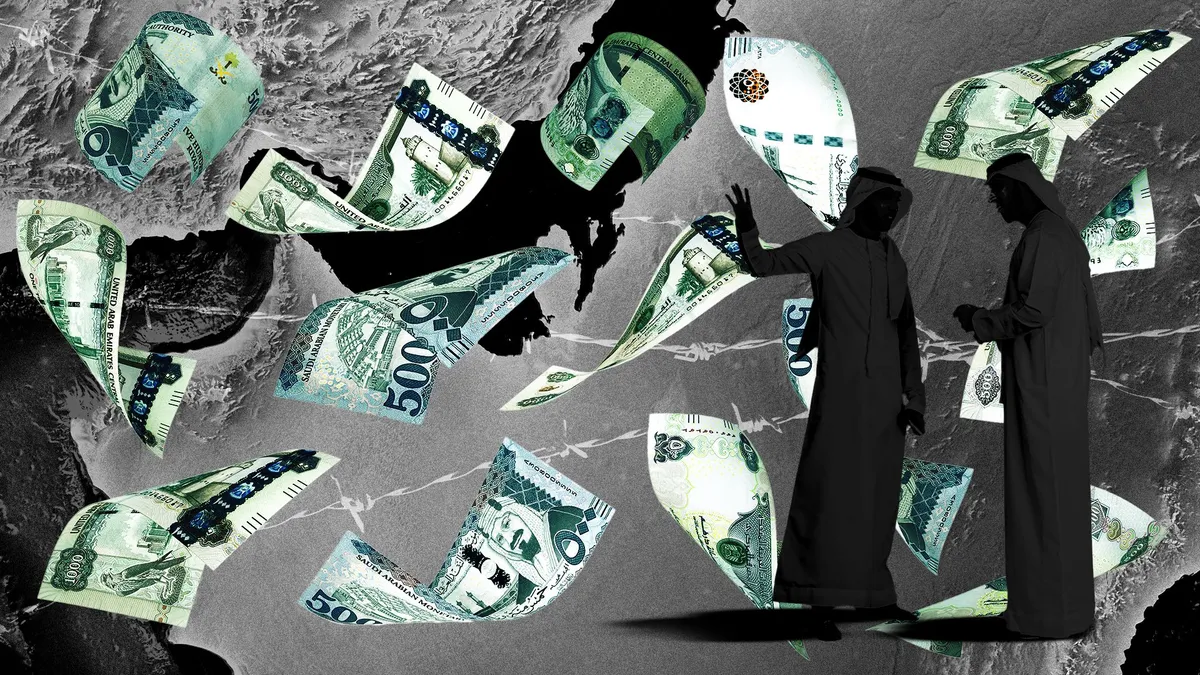
The Gulf region is facing a significant period of turbulence, with the United Arab Emirates preparing to exit OPEC, Saudi Arabia pulling back from high-profile foreign sports investments, and both nations navigating mounting pressure from Iran - all roughly one year after President Donald Trump's landmark tour of the region, according to a report by Axios.
The two U.S. allies, long seen as coordinated partners in Gulf diplomacy and economic strategy, are described as being in the midst of a deepening rift. The UAE's decision to leave OPEC marks a dramatic departure from decades of coordinated oil policy, while Saudi Arabia's retreat from its most visible sports ventures signals a broader recalibration of its foreign outreach strategy.
Investment pledges under threat
Trump's May 2025 Gulf tour was widely publicized as a diplomatic and economic triumph, with the administration securing what it described as trillions of dollars in investment commitments from Gulf states. However, Axios reports that those pledges are now in limbo, casting doubt on one of the signature economic achievements the administration had highlighted from the trip.
The uncertainty surrounding those commitments comes at a sensitive moment for both Gulf governments, which have staked their long-term futures on a transition away from oil dependency. Tourism, artificial intelligence, and the attraction of American and Western capital have been central pillars of that strategy for both Riyadh and Abu Dhabi.
Iran remains a shared threat
Despite the apparent strain in relations between Saudi Arabia and the UAE, both countries continue to face pressure from Iran. The Islamic Republic remains a destabilizing force across the region, and that shared threat has historically served as a binding factor in Gulf Cooperation Council solidarity.
Whether the common Iranian threat will be sufficient to repair or contain the Saudi-UAE friction remains an open question, according to the Axios report.
A vision under pressure
The Gulf states' broader ambition - to position themselves as stable, globally integrated hubs for investment and innovation in a post-oil world - has taken what Axios describes as a major blow. The combination of intra-Gulf divisions, the stalling of foreign capital commitments, and persistent regional insecurity presents a complex challenge for both governments.
The developments also have implications for Washington, which has relied on both Riyadh and Abu Dhabi as anchor partners in its Middle East strategy. A fractured Gulf partnership could complicate American diplomatic and security arrangements in the region.