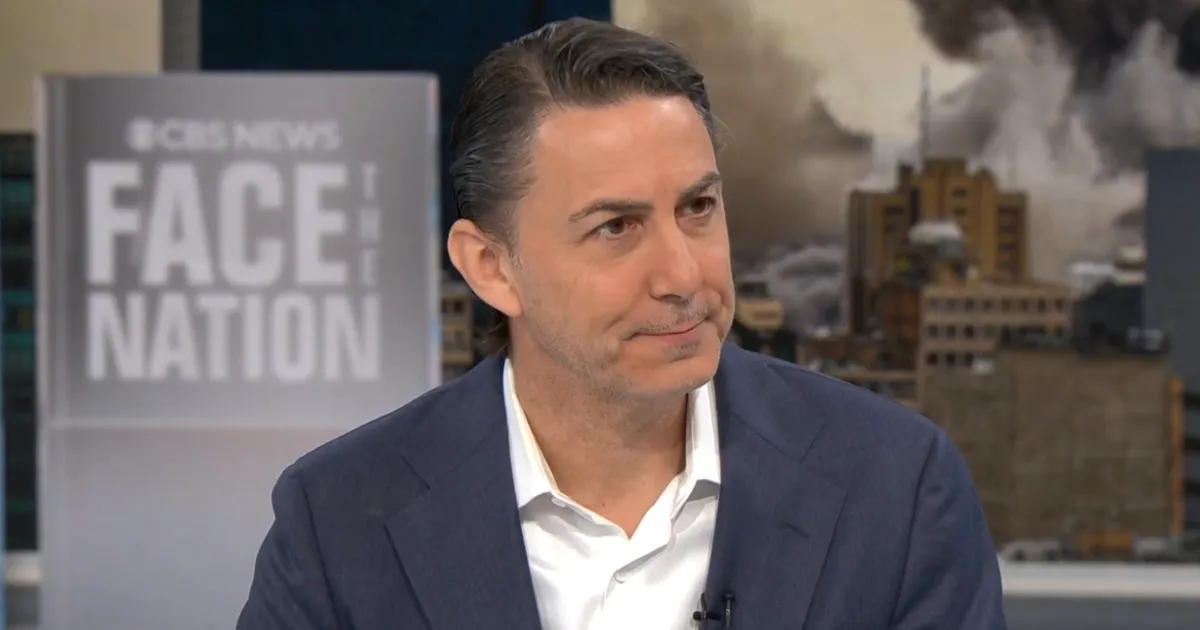
Amos Hochstein, who served as a senior energy adviser and Middle East negotiator under President Biden, appeared on CBS News' "Face the Nation with Margaret Brennan" on April 19, 2026, to discuss ongoing tensions in the Middle East and their implications for global energy security.
Hochstein was a central figure in Biden-era diplomacy, playing a key role in brokering the November 2024 ceasefire agreement between Israel and Hezbollah in Lebanon. His remarks on the Sunday program touched on the intersection of regional conflict and energy markets, two areas in which he served as a primary administration point of contact.
Energy and diplomacy intertwined
The interview, the full transcript of which was published by CBS News, offered Hochstein a platform to assess the current state of Middle East affairs from the perspective of a former senior official no longer bound by the constraints of active government service.
Hochstein's tenure at the State Department and the White House placed him at the center of several high-stakes negotiations, including disputes over offshore energy resources in the eastern Mediterranean, where overlapping territorial claims between Lebanon and Israel had long stalled development of potentially significant natural gas reserves.
Those negotiations, which culminated in a maritime border agreement between Israel and Lebanon in 2022, were seen as a rare diplomatic success in a region marked by persistent instability. Hochstein was widely credited as the principal American architect of that deal.
A continued voice on regional affairs
Since leaving government, Hochstein has remained a visible commentator on Middle East policy and energy geopolitics. His appearance on "Face the Nation" reflects continued media and public interest in the perspectives of former officials who shaped recent American engagement in the region.
The full transcript of the interview is available on the CBS News website. Specific policy positions and statements attributed to Hochstein in this article are drawn from that published record.
The interview aired amid continued international attention to the broader Middle East, where multiple flashpoints - including the situation in Gaza and uncertainty over Iranian nuclear diplomacy - continue to affect regional stability and global energy markets.