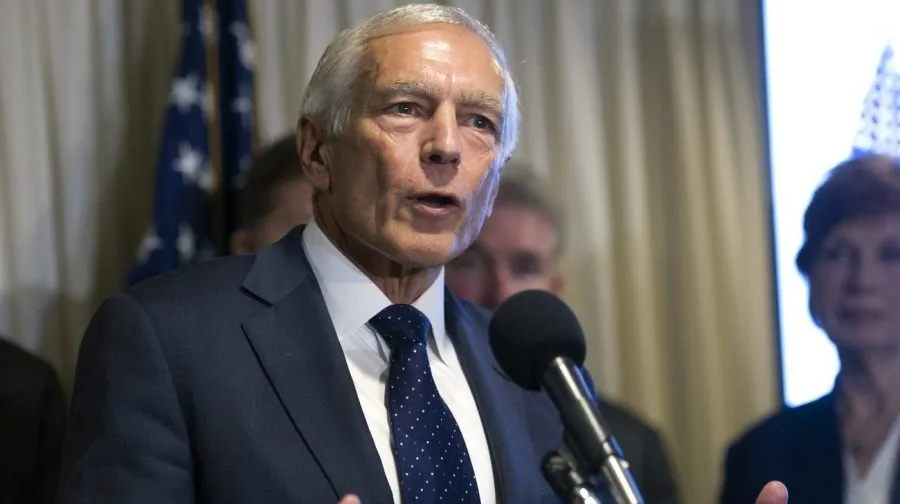
If you thought geopolitics couldn't get more nerve-wracking, buckle up - because a former NATO Supreme Allied Commander just compared the current US-Iran standoff to a game of chicken. And the prize? Control over roughly 20% of the world's oil supply.
Wesley Clark, who once commanded the entire NATO alliance, told MSNBC's Ana Cabrera on Tuesday that the United States and Iran are locked in a tense standoff over the Strait of Hormuz - the narrow chokepoint between the Persian Gulf and the Gulf of Oman that roughly 17 million barrels of oil pass through every single day.
So what exactly is going on?
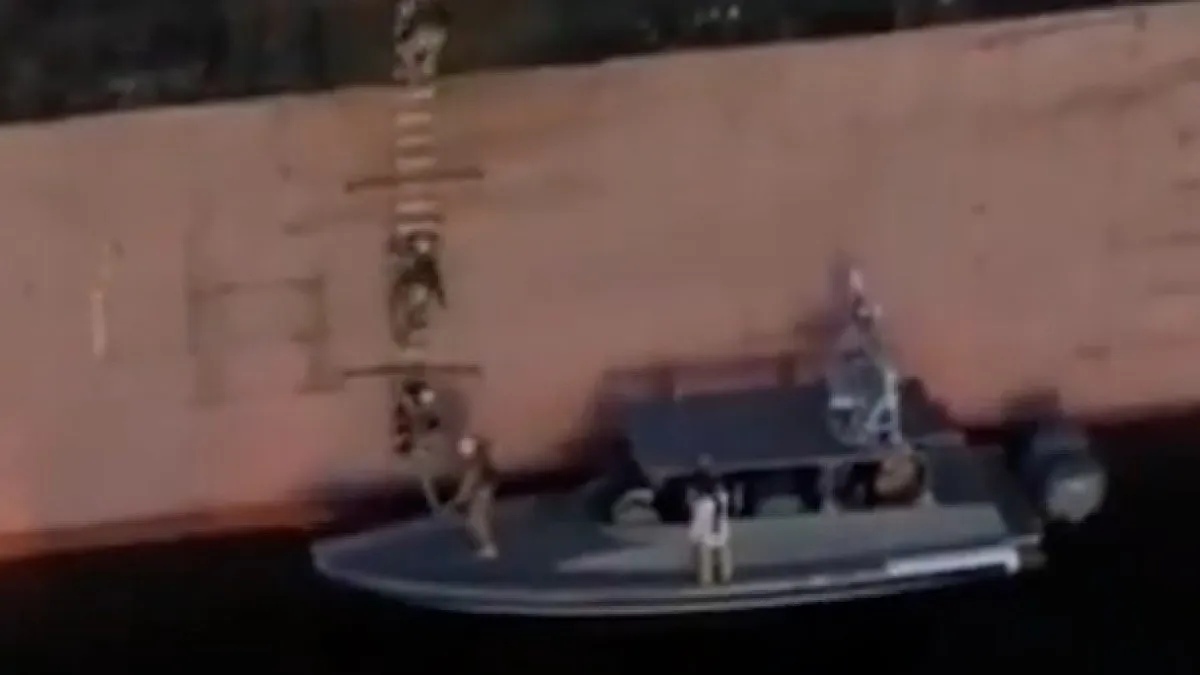
According to Clark, as reported by The Hill, the US is actively trying to force the strait open and push Iran into a corner. The two countries have been maintaining what he described as a fragile ceasefire for weeks - which is diplomatic language for "we're not actively bombing each other right now, but please nobody sneeze too loudly."
Clark characterized the situation as the US trying to get Iran to back down from any implicit or explicit threat to the strait, while Iran presumably does what Iran does best: dig in its heels and make everyone extremely nervous about Monday morning oil prices.
Why should anyone outside a geopolitics class care?
The Strait of Hormuz is not just a random body of water with a cool name. It is arguably the single most strategically important maritime chokepoint on the planet. Major oil exporters including Saudi Arabia, the UAE, Kuwait, and Iraq all depend on it to get their crude to global markets. A serious disruption there would spike energy prices worldwide - meaning your gas bill, your grocery bill, and pretty much every bill with a delivery component would feel the burn almost immediately.
Iran has previously threatened to close the strait during periods of maximum pressure, though it has never fully followed through - partly because closing it would also hurt Iran's own ability to export oil.
The fragile ceasefire element
The backdrop here matters. Clark's comments come during a period of uneasy quiet between Washington and Tehran following weeks of elevated tension. The ceasefire framing suggests both sides are technically standing down - but the Hormuz dispute indicates that standing down and standing easy are two very different things.
Whether this particular game of chicken ends with both cars swerving safely, or one of them driving straight off a cliff, remains the defining question of the moment. Clark, for his part, seems to be urging people to pay very close attention.