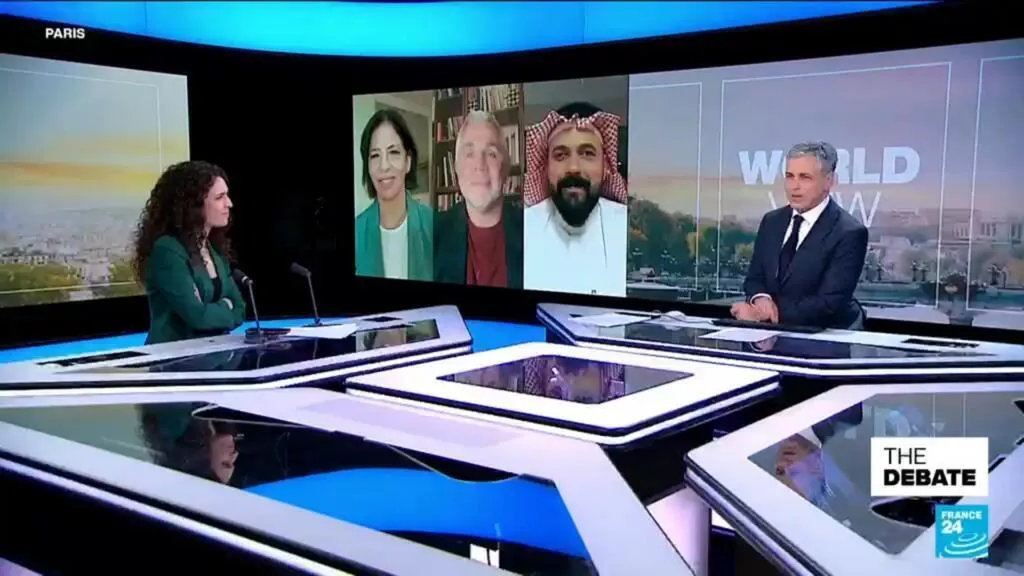
The ongoing negotiations between the United States and Iran over Tehran's nuclear program are casting a long shadow over the Arabian peninsula, raising fundamental questions about regional security arrangements that have defined the Gulf for decades, according to an analysis by France 24.
At the core of the shifting dynamic is a strategic reality that analysts say Gulf monarchies can no longer ignore: Iran does not need long-range ballistic missiles to project power. The proximity of Gulf states to Iranian territory means that short and medium-range weapons are sufficient to threaten critical infrastructure, military installations, and shipping lanes.
The chokepoint factor
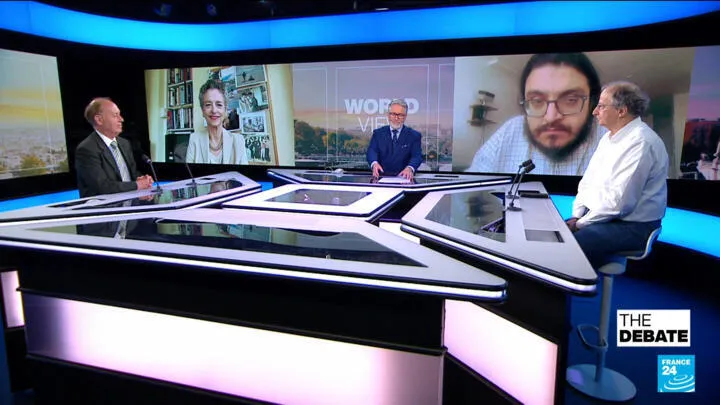
The Strait of Hormuz, through which roughly one-fifth of the world's oil and gas supply passes, sits at the intersection of Iranian and Gulf Arab interests. Iran's demonstrated ability to threaten that chokepoint has, according to the France 24 report, been a significant factor in bringing the United States back to the negotiating table - a development that many in the region are watching with unease.
For Gulf Arab monarchies, the spectacle of Washington engaging directly with Tehran carries a dual message. On one hand, it signals that diplomacy remains a preferred tool for the Trump administration in managing the Iranian nuclear file. On the other, it underscores that the security guarantees underpinning Gulf stability are not unconditional.
Pressure on American allies
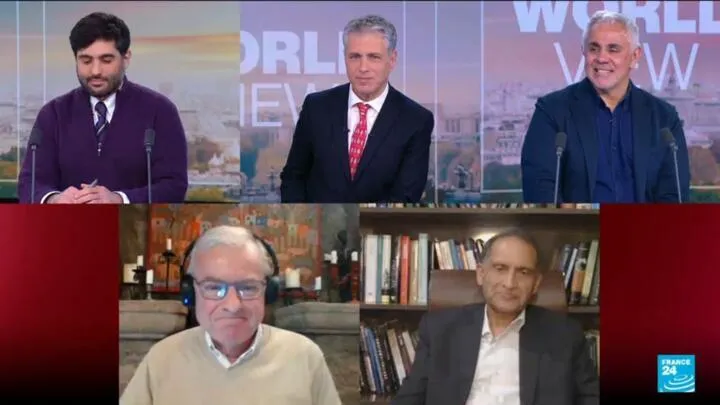
Saudi Arabia, the United Arab Emirates, and other Gulf Cooperation Council members have long relied on the United States as a security backstop. That relationship is now being tested by the pace and nature of US-Iran diplomacy, which has moved forward with limited public consultation of American regional partners.
The France 24 analysis suggests that Iran has effectively leveraged its geographic position and missile arsenal to offset American military superiority in the region. Rather than matching the US force for force, Tehran's strategy appears focused on raising the cost of any potential conflict to a level that makes negotiation more attractive than confrontation.

An uncertain regional order
Whether the Gulf can return to the security arrangements of previous decades remains an open question. The combination of active nuclear diplomacy, Iranian missile capability, and fluctuating American strategic priorities is creating conditions that analysts describe as fundamentally different from any previous period in the region's modern history.
The outcomes of the current US-Iran talks are expected to have lasting consequences for Gulf Arab states, regardless of whether a formal agreement is reached. How those states adapt their own security and foreign policies in response may define the Arabian peninsula's geopolitical landscape for years to come.