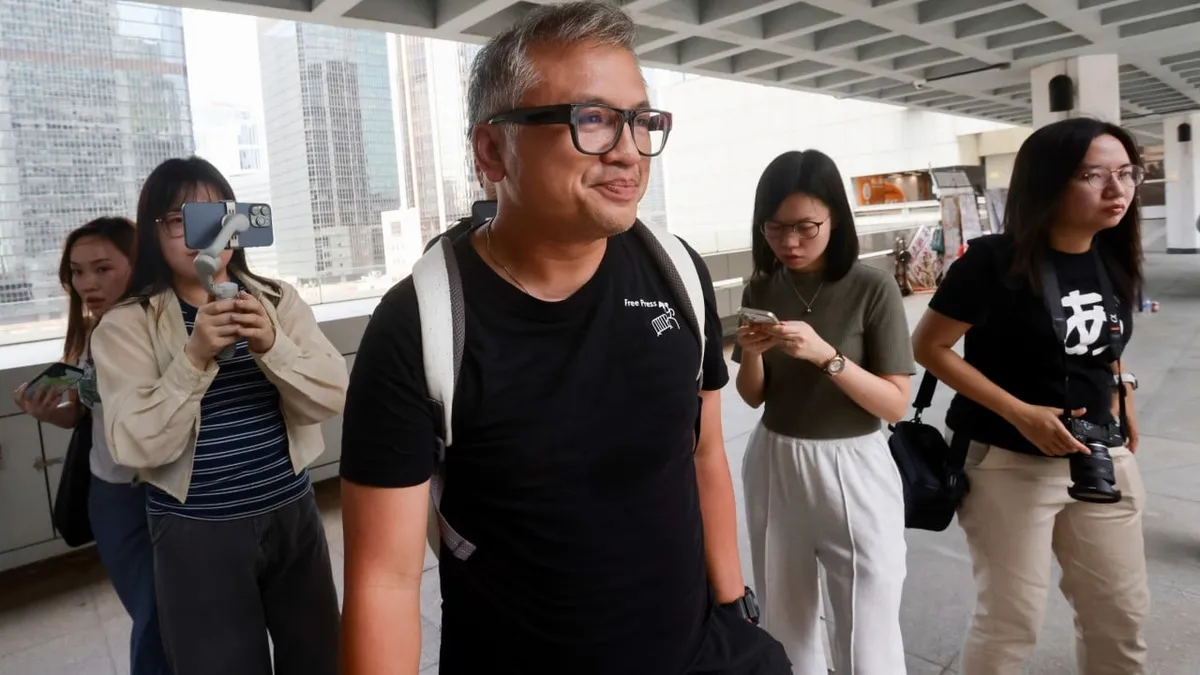
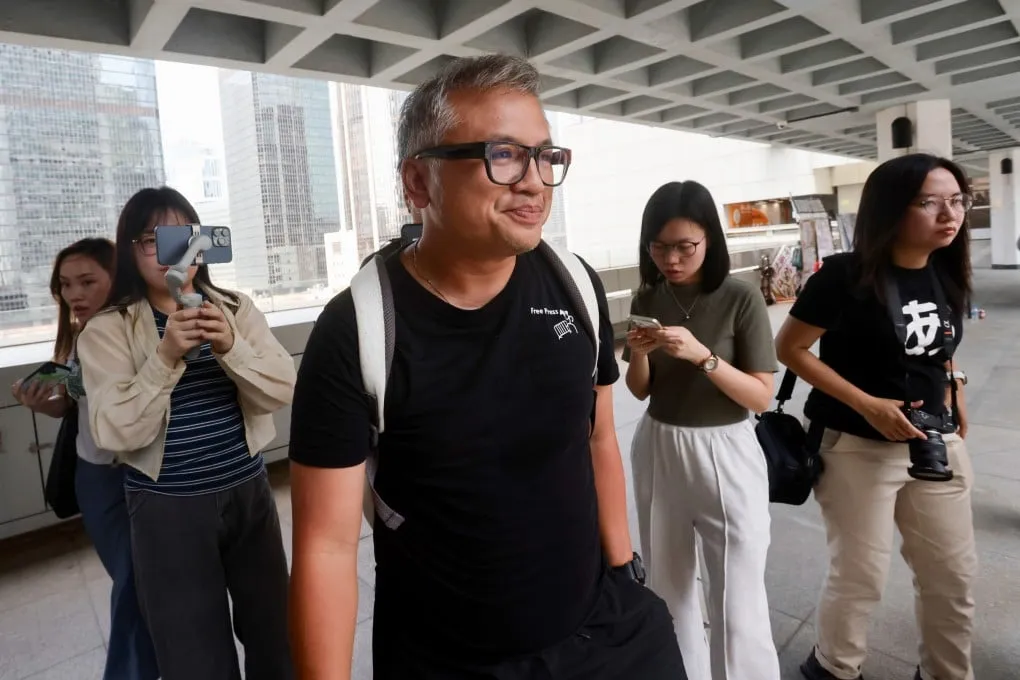
In what is surely a completely normal and totally fine indicator of press freedom in Hong Kong, the former chairman of the Hong Kong Journalists Association is currently serving a five-day jail sentence - not for investigative reporting, not for publishing inconvenient truths, but for refusing to show his ID card during a police stop-and-search.
Ronson Chan Ron-sing, 45, had his appeal dismissed by Deputy Judge Lily Wong Sze-lai at the High Court on Friday, according to the South China Morning Post. The judge ordered him into custody immediately following the ruling - no grace period, no packing a toothbrush, just straight to jail.
What actually happened
The incident dates back nearly four years, when Chan refused to present his identity card to police during a routine stop-and-search procedure. He was convicted in 2023 by a magistrate on obstruction charges and handed the five-day sentence. He appealed, and on Friday that appeal was crushed like a bug on a windshield.
Chan is a well-known figure in Hong Kong media circles and served as chairman of the HKJA - an organisation that has itself been under enormous pressure in recent years, with its membership dwindling and its voice increasingly squeezed amid the city's sweeping national security crackdown.
Why this matters beyond the five days
On the surface, five days in jail sounds almost laughably minor. But the context here is doing a lot of heavy lifting. The conviction of a former journalism union chief - even on what looks like a procedural obstruction charge - sends a message that critics of Hong Kong's shrinking civil liberties will be watching closely.
The HKJA has seen a dramatic decline in influence since 2020, with many of its member outlets shuttered or gutted. Pro-democracy media organisations including Apple Daily and Stand News were shut down in the years following the national security law's introduction.
Chan's case, sourced from reporting by the South China Morning Post, may not involve state secrets or dissident journalism - but in the current climate, even a five-day sentence tied to press-adjacent figures rarely escapes scrutiny from international media freedom watchdogs.
Whether you see this as a minor legal matter over a stubborn man and an ID card, or as yet another data point in a troubling trend, probably depends on which side of that particular argument you were already standing on.