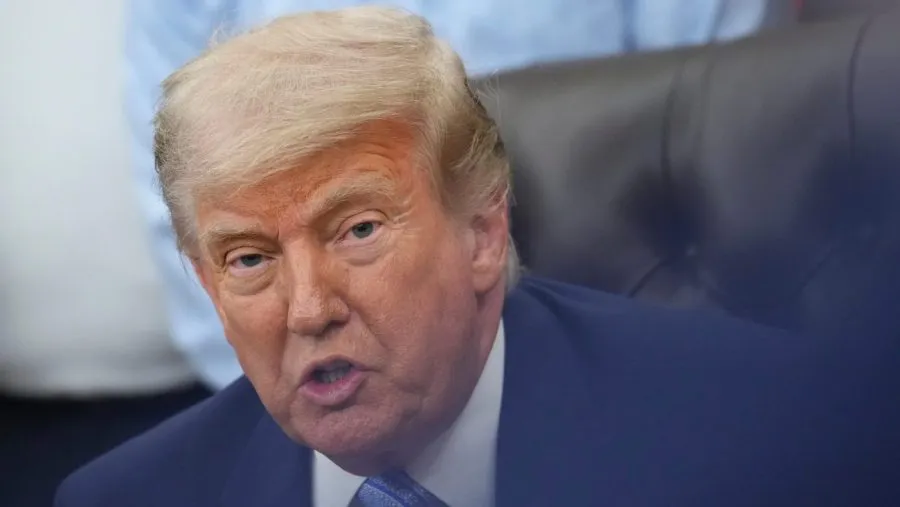
President Donald Trump announced on Saturday that a deal with Iran is nearly finalized, claiming the agreement is "largely negotiated" and will include the reopening of the Strait of Hormuz - one of the most strategically critical waterways on the planet, through which roughly 20% of the world's oil supply flows.
According to a report by The Hill, Trump made the announcement via his Truth Social platform following a phone call with Arab allies in the region. "Final aspects and details of the Deal are currently being discussed, and will be announced shortly," Trump wrote in the post.
Why the Strait of Hormuz is kind of a big deal (pun intended)
For those who skipped geography class, the Strait of Hormuz is a narrow chokepoint between Iran and Oman connecting the Persian Gulf to the Gulf of Oman. It is essentially the jugular vein of global oil trade. Iran has repeatedly threatened to close it over the years as a geopolitical pressure tactic, most recently amid escalating tensions with the United States. If it actually got shut down, expect your gas prices to go from "ouch" to "are you kidding me" in about three business days.
What we know and what we don't
At this stage, the details of the deal remain sparse. Trump's post confirms that:
- A deal with Iran is described as "largely negotiated"
- The Strait of Hormuz reopening is reportedly part of the agreement
- The announcement followed direct outreach to Arab regional allies
- A formal announcement is said to be coming "shortly"
What remains unconfirmed is the specific scope of any nuclear-related concessions, sanctions relief, or verification mechanisms that would presumably form the backbone of any serious Iran agreement. No Iranian officials have yet publicly confirmed the details of the deal as reported by The Hill.
The geopolitical domino effect
If verified, a deal of this nature would represent a significant diplomatic shift. U.S.-Iran relations have been in a deep freeze for years, punctuated by sanctions, proxy conflicts, and the occasional social media war of words. Any agreement that meaningfully reopens dialogue - and a critical global shipping lane - would send ripples through global oil markets, regional politics, and Washington's ongoing tensions with Tehran almost immediately.
Whether this materializes into a concrete, verifiable deal or remains in the "announced shortly" purgatory that so many political promises call home is yet to be seen. The world, and particularly oil traders with sweaty palms, will be watching closely.