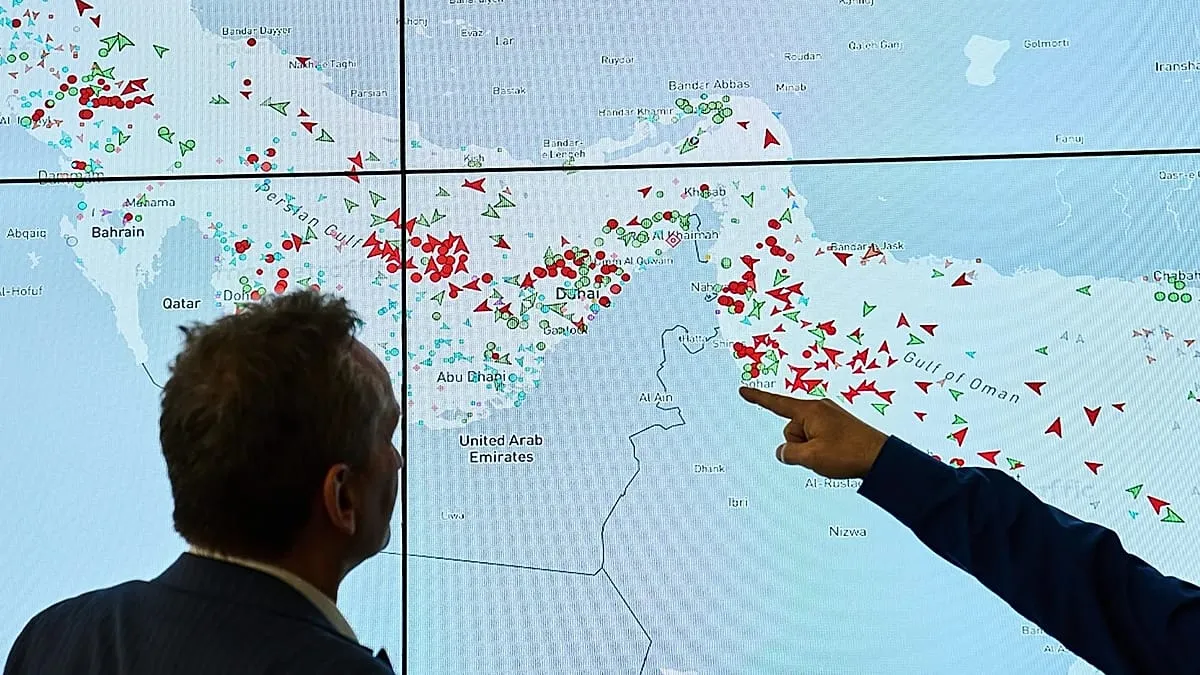
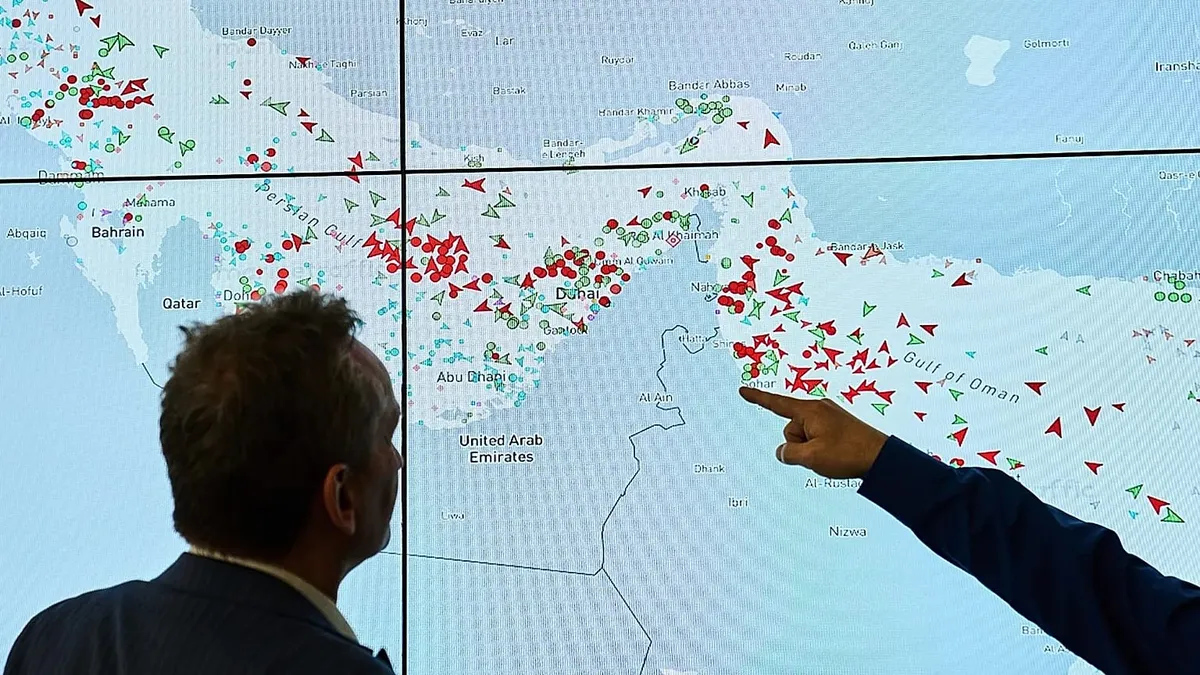
Maritime traffic through the Strait of Hormuz remained at critically low levels on Friday, with vessels accumulating in a vast holding pattern as the standoff between the United States and Iran showed no signs of easing, according to reporting by Euronews.
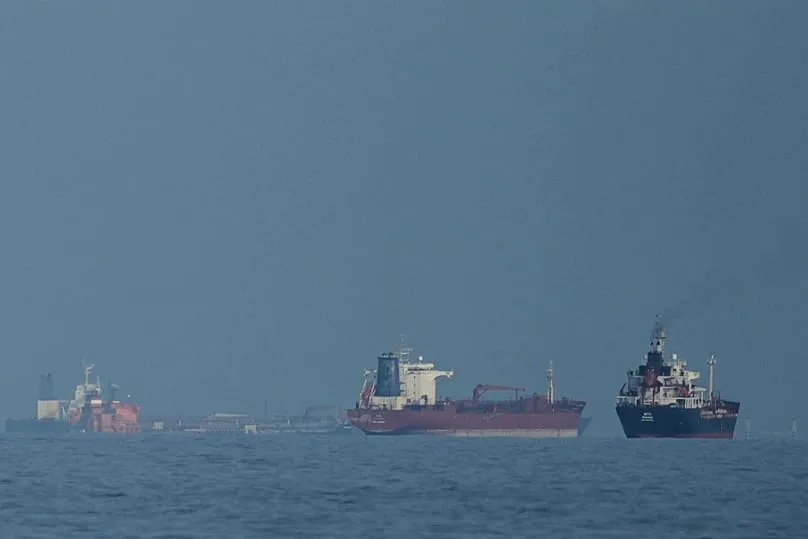
The situation, which has persisted since Monday, has effectively transformed the waters around one of the world's most strategically vital shipping lanes into what observers have described as a floating parking lot, with commercial vessels unwilling to transit the narrow passage amid the ongoing tensions.
A chokepoint under pressure
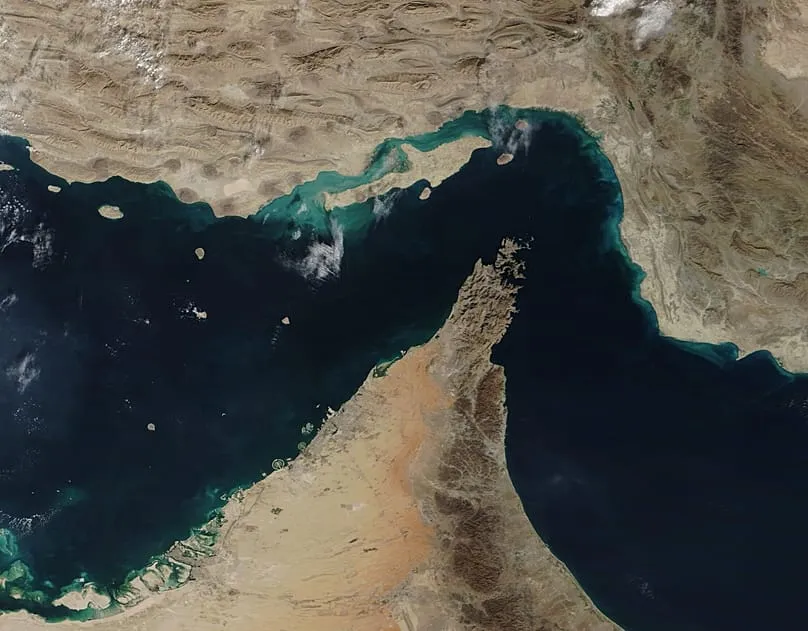
The Strait of Hormuz is among the most consequential maritime chokepoints on the planet. Roughly one-fifth of the world's oil supply passes through the strait, which connects the Persian Gulf to the Gulf of Oman and the wider Arabian Sea. Any prolonged disruption to traffic there carries significant implications for global energy markets and supply chains.
The cautious approach adopted by shipping operators reflects a calculated risk assessment. With military and diplomatic tensions between Washington and Tehran unresolved, commercial carriers have opted to wait rather than expose vessels and crews to potential danger in the narrow waterway.
No breakthrough reported
As of Friday, neither side had signaled a shift in posture sufficient to restore confidence among shipping operators, according to the Euronews report. The standoff has maintained a consistent dynamic since it began earlier in the week, with little indication of active diplomatic progress that might allow normal transit to resume.
The disruption comes at a moment of already elevated geopolitical sensitivity in the Middle East, and the extended halt to traffic is likely to draw increasing scrutiny from governments and energy markets that depend on uninterrupted flows through the strait.
Wider economic impact
A prolonged freeze on Hormuz shipping would put upward pressure on oil prices and increase costs for goods transported by sea across the region. Shipping insurers are also expected to reassess risk premiums for vessels operating in the Persian Gulf while the situation remains unresolved.
Industry analysts and diplomatic observers will be monitoring whether back-channel communications between Washington and Tehran produce any movement in the coming days. For now, the ships waiting in the Gulf remain a visible symbol of the costs imposed when geopolitical friction intersects with critical global infrastructure.