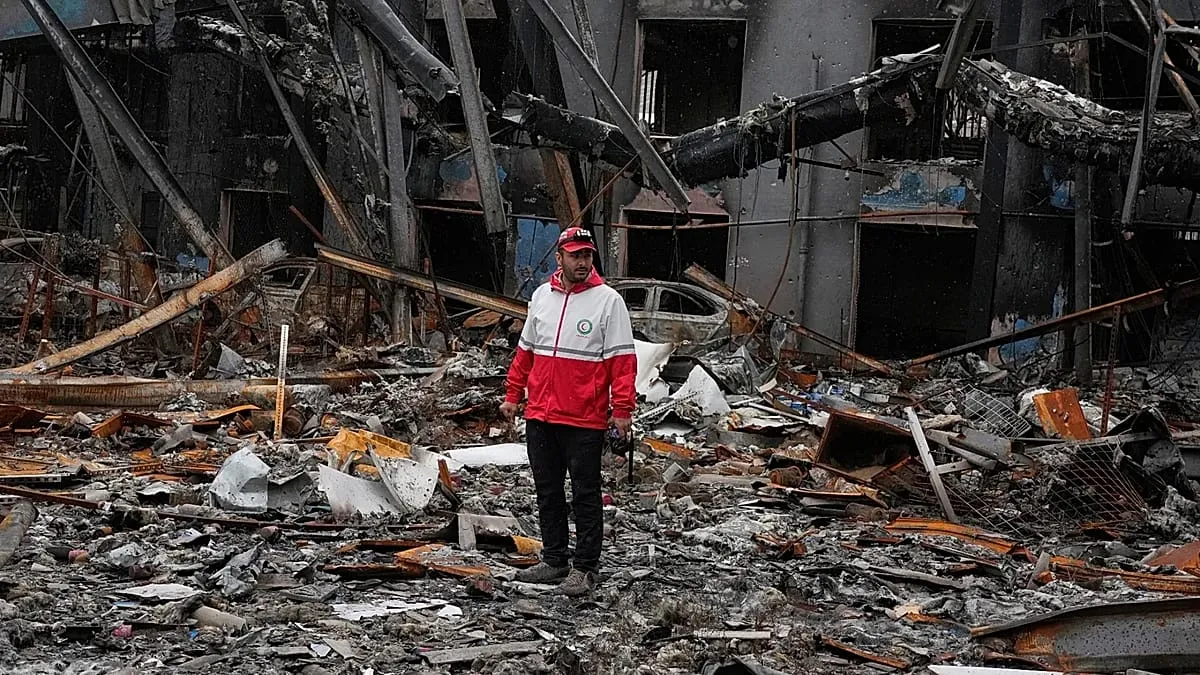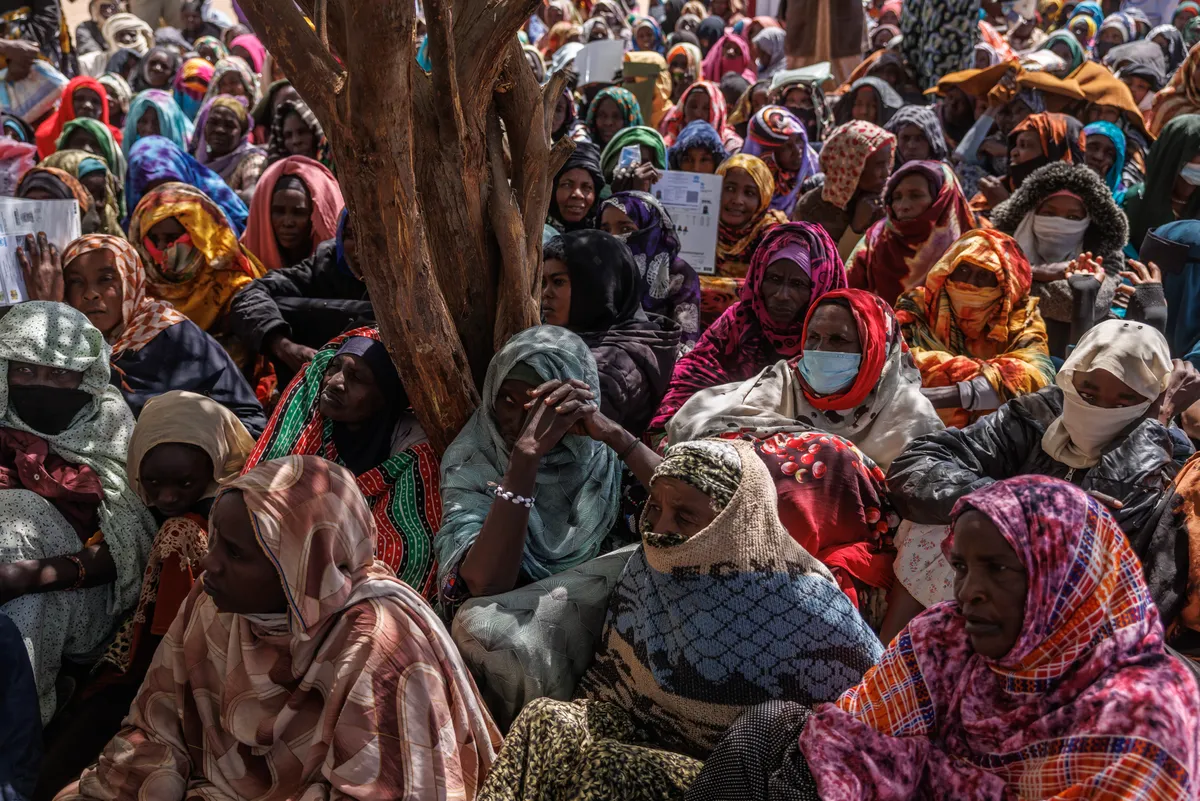
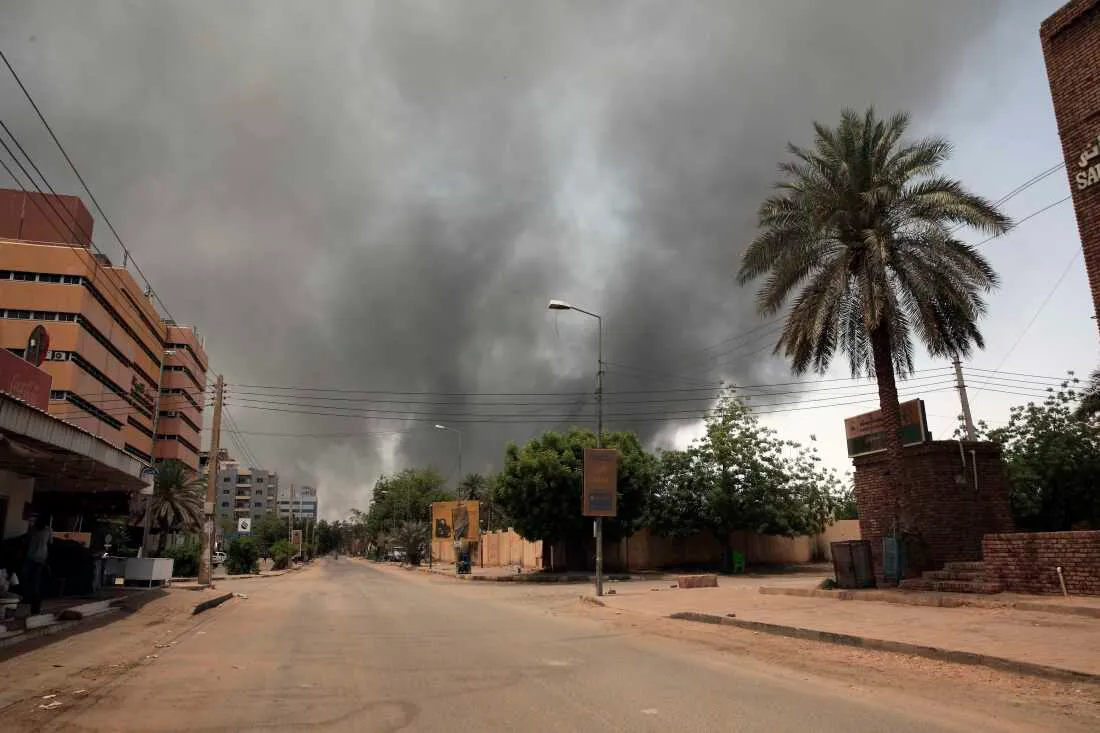
Sudan's devastating civil war has entered its fourth year, with the conflict between the Sudanese Armed Forces and the paramilitary Rapid Support Forces continuing to drive one of the world's worst humanitarian crises, according to reporting by NPR.
While some neighborhoods in the capital, Khartoum, show fragile signs of returning activity, conditions across much of the country remain dire. Millions of people have been displaced from their homes, and widespread hunger has taken hold in regions far from international attention.
A country fractured by fighting
The war, which began in April 2023 when longstanding tensions between the two armed factions erupted into open conflict, has produced what aid organizations describe as catastrophic consequences for civilians. The fighting has been particularly devastating in the Darfur region, where allegations of atrocities and what some observers have characterized as genocidal violence have drawn international condemnation.
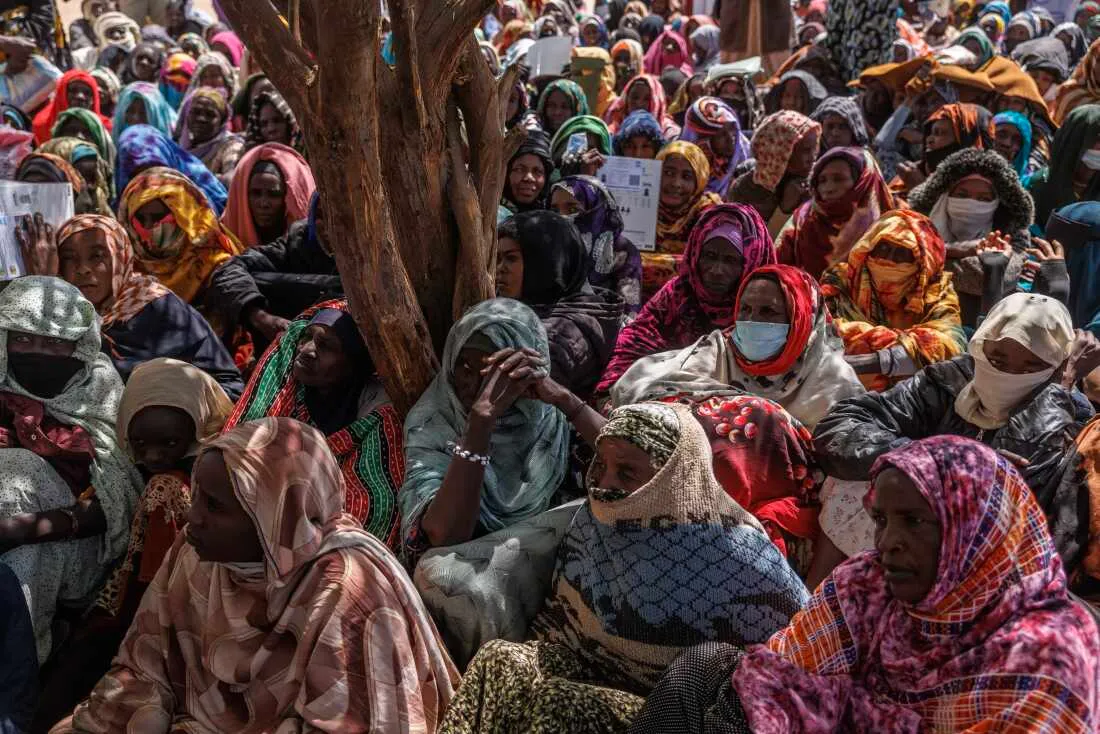
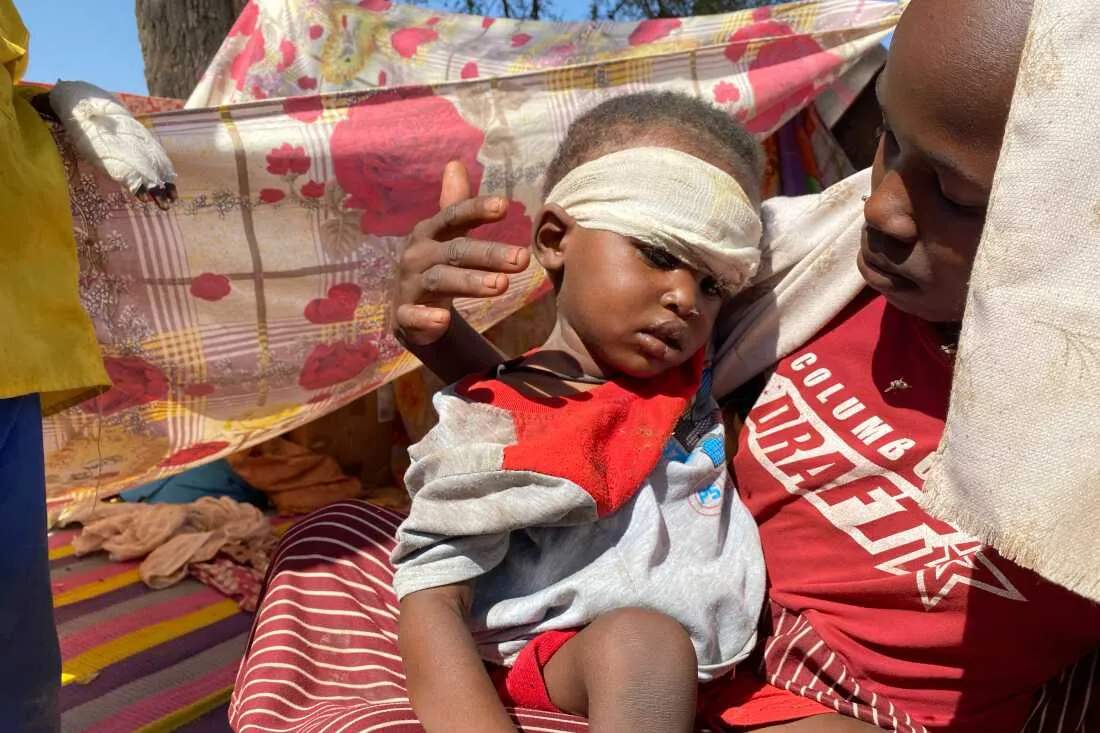
Displacement figures have reached staggering levels, with Sudan now accounting for one of the largest internal displacement crises anywhere in the world. Families forced from their homes face acute shortages of food, clean water and medical care.
Hunger used as a weapon
Famine conditions have been reported in multiple parts of the country, with humanitarian access frequently obstructed by the ongoing fighting. Aid agencies have struggled to reach populations in need, and supply routes have repeatedly come under threat from both sides of the conflict.
Allegations of deliberate targeting of civilian populations and the use of starvation as a tool of war have been leveled against armed actors, though independent verification in many areas remains difficult given restricted access for journalists and monitors.
Little momentum toward peace
International diplomatic efforts to broker a ceasefire have so far failed to produce a lasting halt to the fighting. Regional bodies and foreign governments have repeatedly called for negotiations, but both the Sudanese army and the Rapid Support Forces have continued military operations.
For ordinary Sudanese civilians, the fourth anniversary of the war's outbreak marks not a milestone but a continuation of suffering. NPR's reporting captured the psychological toll of the prolonged conflict, with affected residents describing feelings of humiliation, powerlessness and despair.
The United Nations and international aid organizations continue to call for increased funding and humanitarian access, warning that without significant intervention, conditions are likely to worsen further in the months ahead.