Iran currently holds approximately 440 kilograms of uranium enriched to 60 percent purity, a stockpile that has drawn intense scrutiny from Western governments and international nuclear watchdogs. The question of how quickly Tehran could convert that material into a functioning nuclear weapon has become central to ongoing diplomatic negotiations.
Al Jazeera spoke with Ted Postol, a professor at the Massachusetts Institute of Technology, to explain the technical realities of uranium enrichment and the steps that would be required for Iran to cross the nuclear threshold.
What enrichment actually means
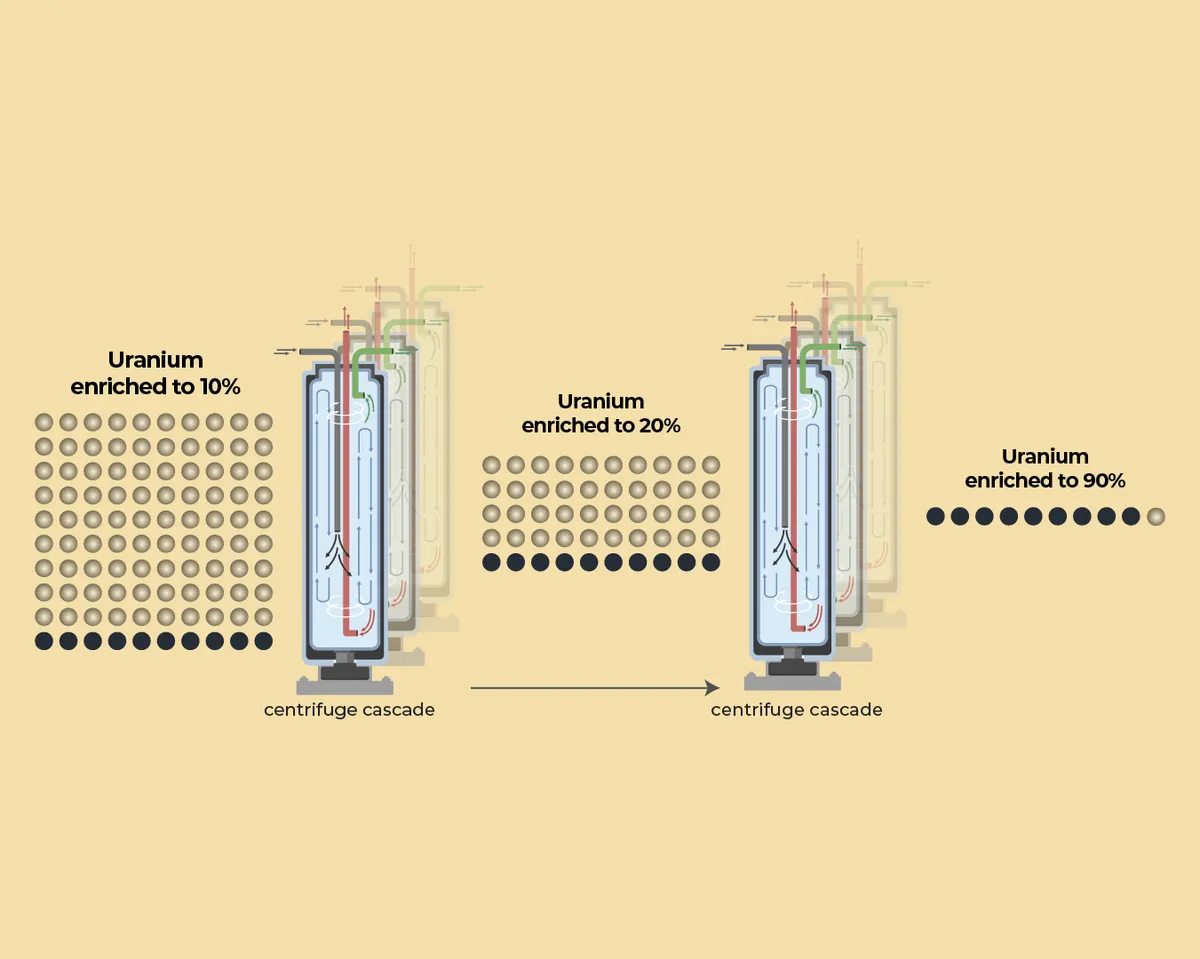
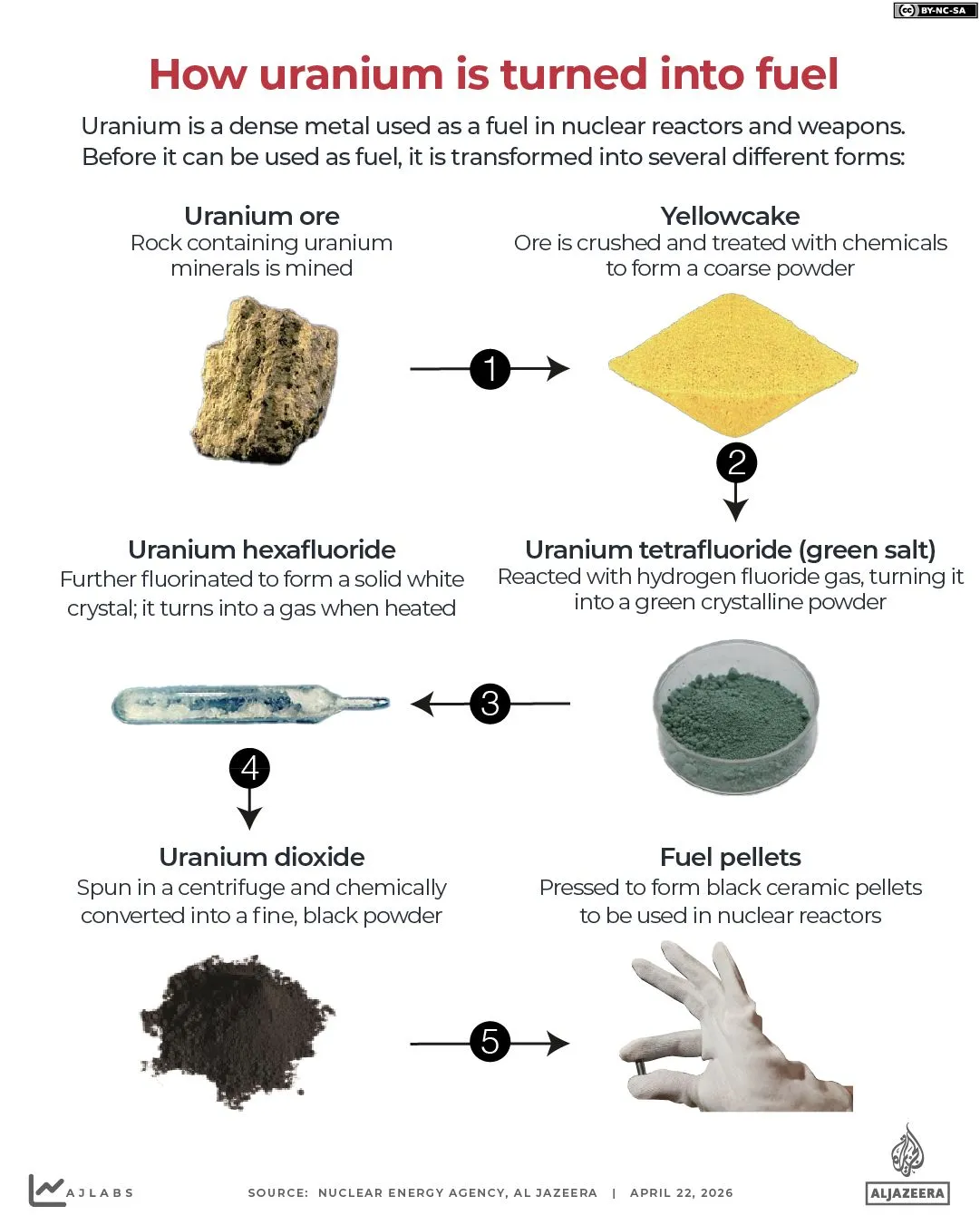
Uranium enrichment is the process of increasing the concentration of the isotope uranium-235, which is capable of sustaining the chain reaction required for both nuclear power and nuclear weapons. Natural uranium contains less than 1 percent uranium-235. Reactor-grade fuel typically requires enrichment to between 3 and 5 percent, while weapons-grade uranium is generally defined as 90 percent enriched or higher.
Iran's current 60 percent enriched stockpile sits well above civilian reactor requirements but below the weapons-grade threshold. However, experts note that the technical leap from 60 percent to 90 percent is considerably smaller than the jump from lower enrichment levels, meaning the most difficult work would already be largely complete.
Timeline to a weapon
According to Postol, Iran's existing stockpile and centrifuge infrastructure mean the country could potentially produce enough weapons-grade uranium for a single device within a relatively short timeframe, should it make the political decision to do so. The professor's assessment underscores longstanding concerns held by the United States, Israel, and European powers.
Building a deliverable weapon, however, involves more than enriched uranium alone. Weapons design, manufacturing the device itself, and integrating it with a delivery system each represent additional technical and logistical hurdles that could extend the overall timeline.
Diplomatic context
The status of Iran's nuclear program has become a focal point of renewed international diplomacy. Talks between Tehran and Washington have resumed in recent months, with uranium enrichment levels and stockpile sizes among the core issues under negotiation. Iran has maintained that its nuclear activities are for peaceful purposes and that it is entitled to enrichment under the Nuclear Non-Proliferation Treaty.
International Atomic Energy Agency inspectors have continued to monitor Iranian facilities, though Tehran has restricted some inspection activities in recent years, complicating independent verification efforts.
The debate over Iran's nuclear capabilities and intentions remains one of the most consequential unresolved questions in global security, with the outcome of current diplomatic efforts likely to shape the strategic landscape of the Middle East for years to come.