Iran's military capabilities have been shaped by nearly 50 years of conflict, international isolation, and a deliberate strategy of self-sufficiency, according to a report by The Independent. The result is an arsenal that regional analysts and Western governments now consider one of the most significant security challenges in the Middle East.
Roots in revolution and war
The foundation of Iran's modern military was laid in the aftermath of the 1979 Islamic Revolution. The new government inherited American-supplied equipment from the Shah's era but quickly lost access to spare parts and new weapons after relations with Washington collapsed.
The eight-year war with Iraq that began in 1980 proved to be a crucible. Facing a well-armed adversary backed by foreign powers, Iran was forced to develop domestic weapons production and cultivate unconventional strategies that would define its military doctrine for decades.

Missiles and drones
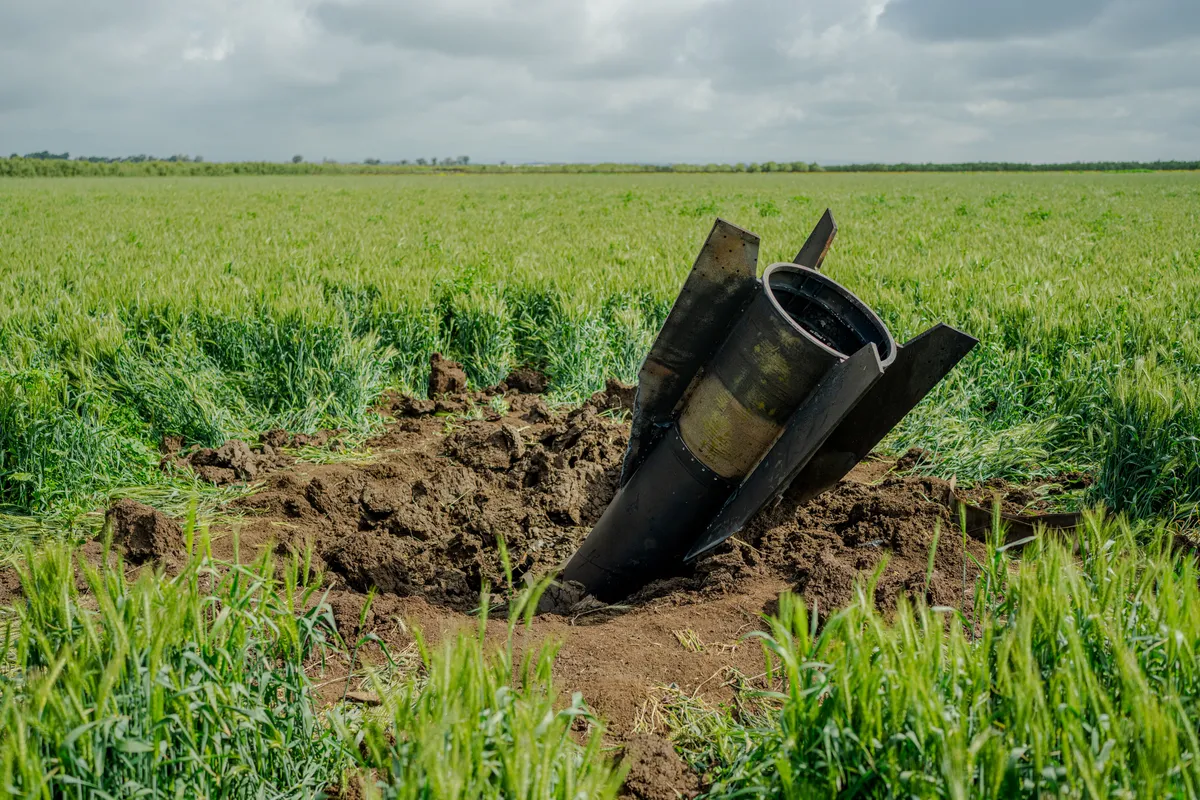
Iran's ballistic missile program has become the centerpiece of its deterrence strategy. The country has invested heavily in developing missiles capable of striking targets across the region, including Israel and U.S. military bases in the Gulf. Iranian officials have repeatedly described the missile program as non-negotiable, even as Western powers have sought to include it in diplomatic negotiations.
In recent years, Iran has also emerged as a significant producer of unmanned aerial vehicles. Its drones have been deployed in conflicts across the region and, according to Western governments, have been supplied to Russia for use in Ukraine - a claim Tehran has disputed.
Proxy networks and asymmetric warfare
Beyond conventional weapons, Iran has built an extensive network of allied armed groups across the Middle East, including Hezbollah in Lebanon, Hamas in Gaza, the Houthis in Yemen, and various militia groups in Iraq and Syria. This network, often described by analysts as Iran's "axis of resistance," allows Tehran to project power and deter adversaries without direct military confrontation.
This asymmetric approach has allowed Iran to punch above its weight militarily despite an official defense budget that is a fraction of those of the United States, Israel, or Saudi Arabia.
Sanctions and adaptation
Decades of international sanctions have constrained Iran's ability to import advanced military technology, but they have also accelerated domestic development. Iran now claims to manufacture its own fighter jets, submarines, and air defense systems, though independent verification of the capabilities of these systems remains limited.
The combination of ballistic missiles, drone technology, cyber capabilities, and a network of regional proxies represents a layered deterrence strategy, one that has been built specifically to offset conventional military disadvantages against better-equipped adversaries.