A lawmaker aligned with Hezbollah has declared that the Lebanese militant group and political party "firmly rejects" the extended ceasefire between Israel and Lebanon, according to CBS News, adding a new layer of regional instability as the United States and Iran remain locked in a tense standoff over the Strait of Hormuz.
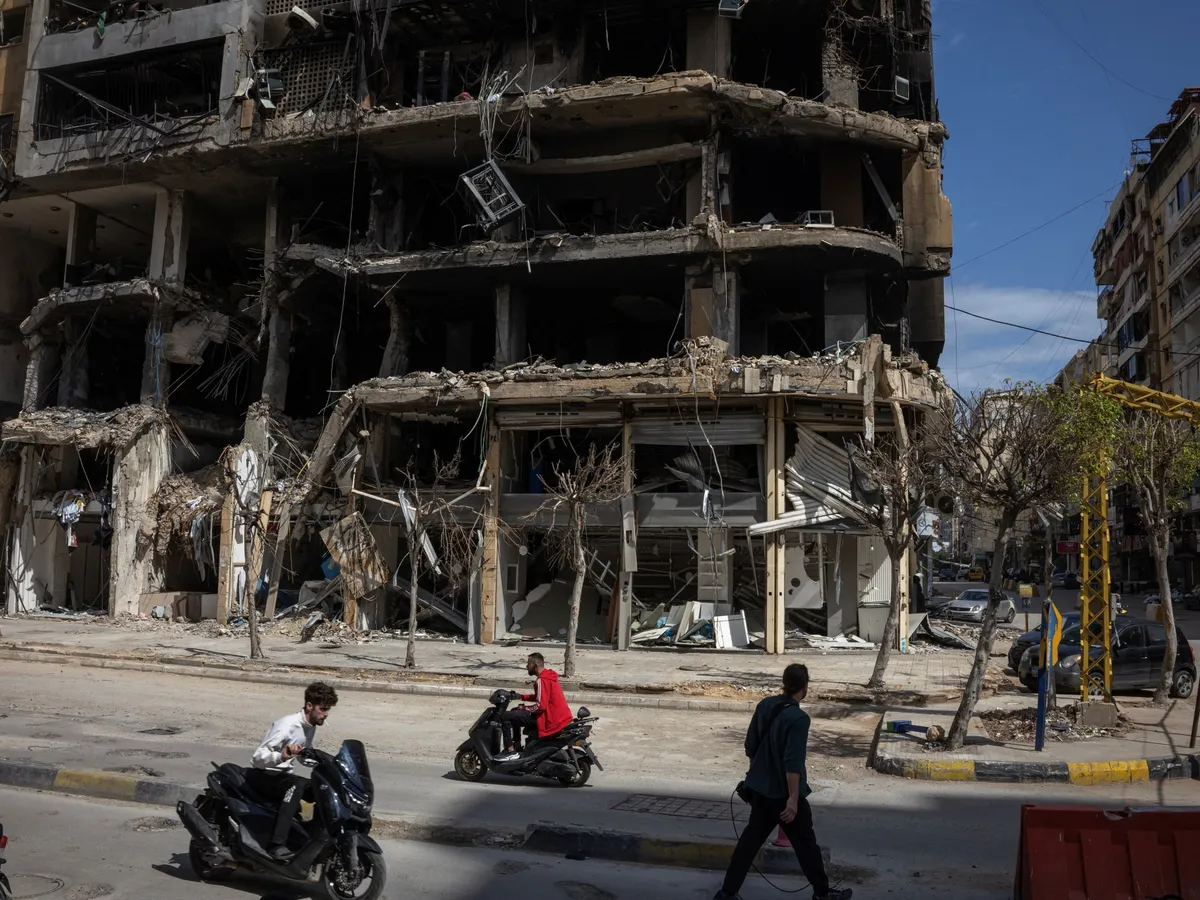
The statement signals continued resistance from Hezbollah to diplomatic arrangements it did not directly negotiate, raising questions about the durability of the ceasefire framework that has held fragile calm along the Israel-Lebanon border.
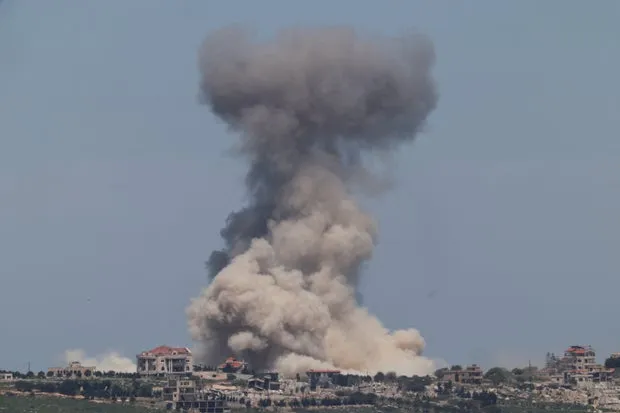
Hezbollah's position
The lawmaker's public rejection represents an open challenge to the ceasefire terms. Hezbollah, which is designated a terrorist organization by the United States and several other countries, has historically maintained that it will not be bound by agreements it considers imposed rather than negotiated. The group retains significant political representation in the Lebanese parliament as well as an armed wing that fought a major conflict with Israel in 2006 and exchanged sustained fire with Israeli forces during the 2023-2024 Gaza war period.
Lebanon's government, which is separate from Hezbollah's political and military structures, has operated under the ceasefire arrangement. The gap between the Lebanese state's position and Hezbollah's declared stance underscores the complexity of Lebanese domestic politics, where the group holds considerable influence.
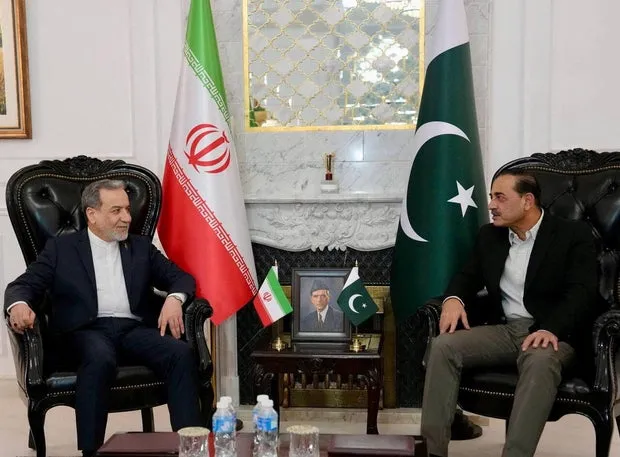
US-Iran standoff over the Strait of Hormuz
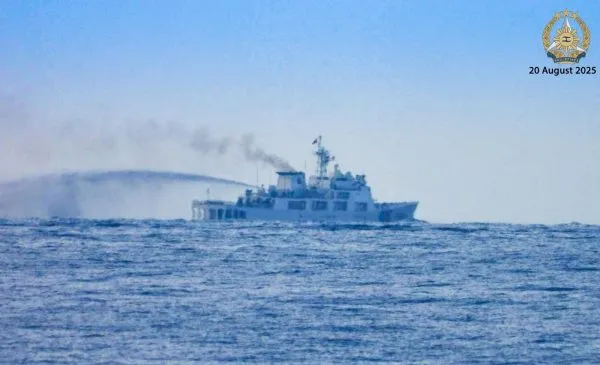
The Hezbollah declaration comes as Washington and Tehran remain entrenched in a high-stakes confrontation over the Strait of Hormuz, the narrow waterway through which a significant share of the world's oil supply passes. The standoff has drawn international attention given the strait's role as a chokepoint for global energy markets.
Iran has previously threatened to close the strait in response to US military pressure or sanctions, a move that analysts say would have severe consequences for international shipping and oil prices. The United States has maintained a naval presence in the region to keep the waterway open.

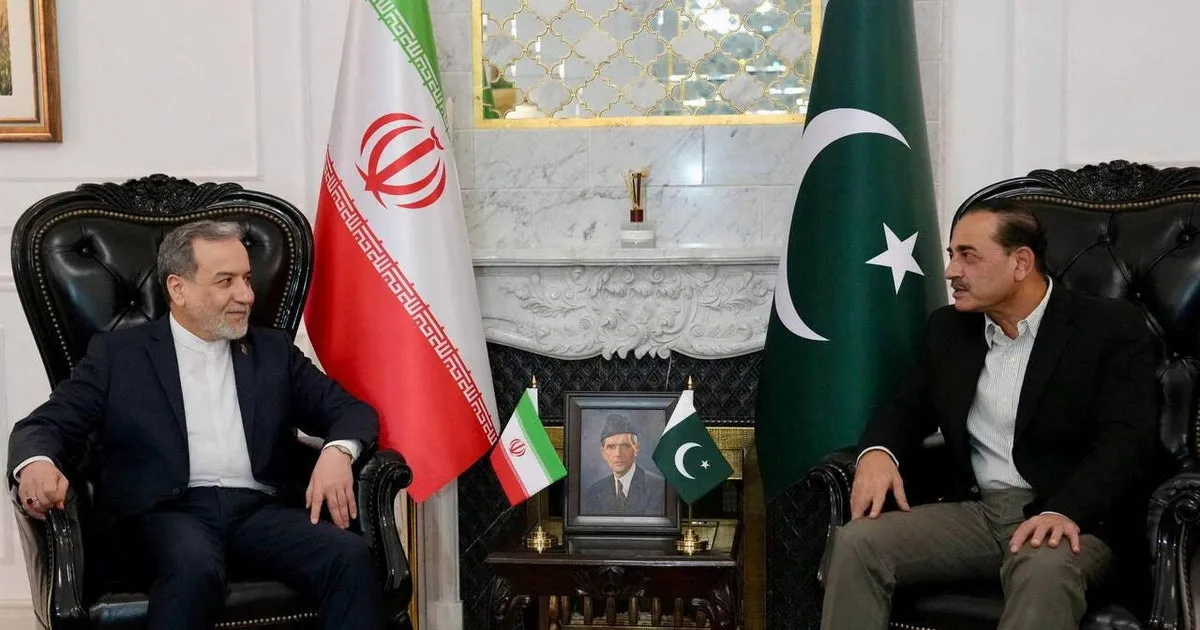
The convergence of the Hezbollah rejection and the US-Iran dispute reflects broader tensions across the Middle East, where multiple overlapping conflicts and rivalries continue to shape the security landscape. CBS News reported on both developments as part of ongoing coverage of regional instability.
No immediate response from Israeli or US officials regarding the Hezbollah lawmaker's statement was included in the CBS News report at the time of publication.