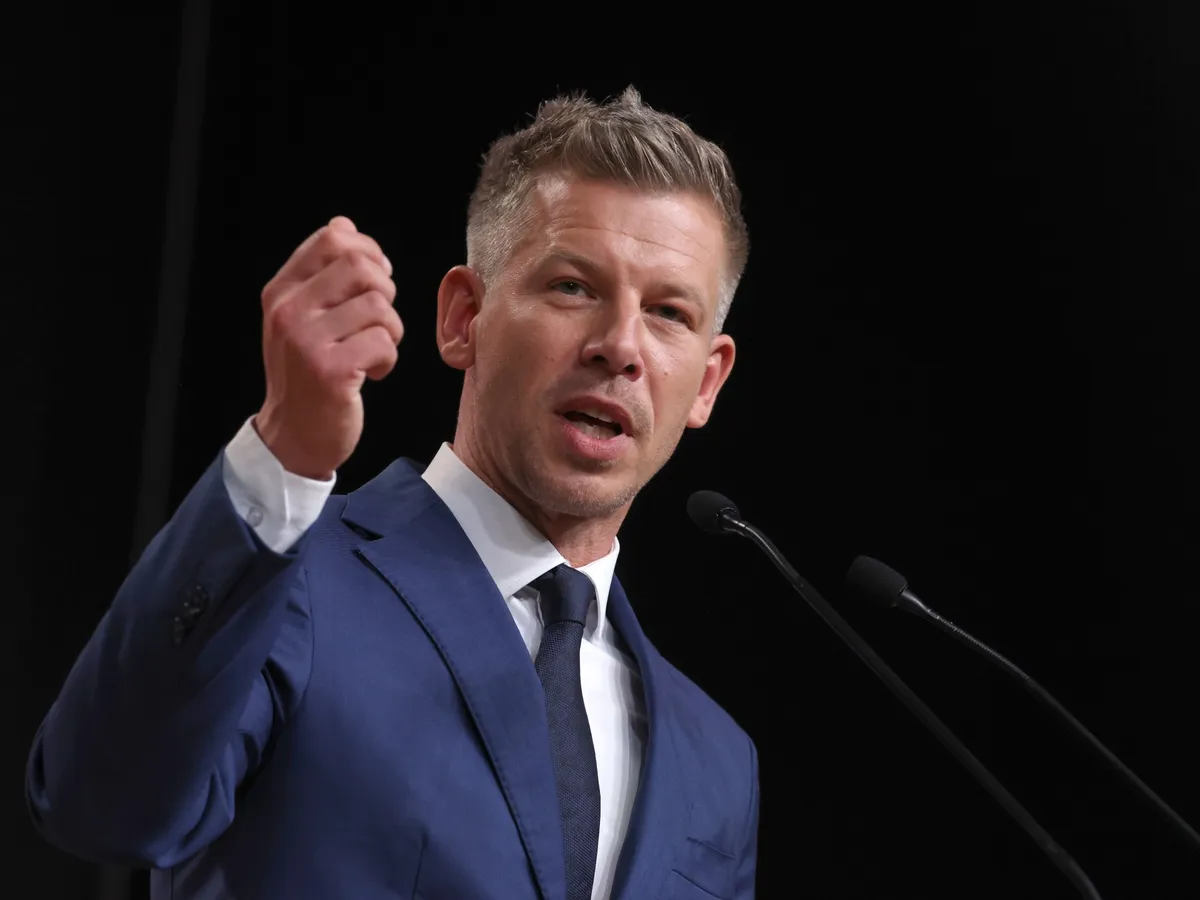
Peter Magyar, Hungary's incoming prime minister following his party's election victory, has called on the country's president to resign and promised a sweeping transformation of state media, according to a report by Al Jazeera published on April 15.
Magyar, whose Tisza party defeated long-serving Prime Minister Viktor Orban's Fidesz party, indicated his government could be formally constituted by mid-May, signaling a rapid transition of power in one of the European Union's most politically contentious member states.
Presidential pressure
Magyar's call for the president to step down represents an early and assertive move ahead of taking office. The demand reflects tensions over institutional loyalty in a country where critics have long argued that key state institutions became closely aligned with Orban's government during its extended time in power.
The presidency in Hungary, while largely ceremonial, carries symbolic weight, and Magyar's position suggests he intends to reshape the political landscape broadly rather than limiting his mandate to government policy alone.
State media in the crosshairs
Among Magyar's most prominent pledges is a restructuring of Hungary's state media apparatus. Under Orban, critics and press freedom organizations accused Hungarian public broadcasters of functioning as political instruments for the ruling party rather than as independent public services. Magyar has indicated his administration would move to change that arrangement.
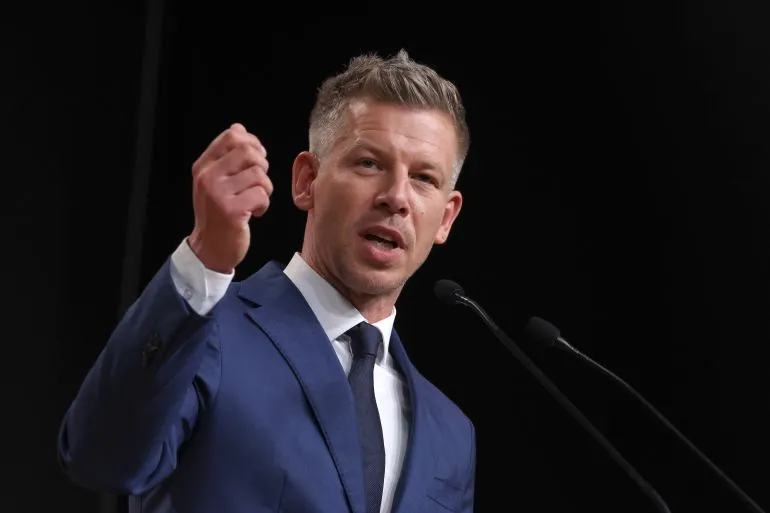
Hungary's media environment drew sustained criticism from outlets including Reporters Without Borders, which ranked the country poorly on press freedom indices in recent years. Magyar's commitment to reform will be closely watched by both domestic audiences and European partners.
Coalition timeline
Magyar told reporters his administration aimed to finalize a coalition agreement and form a functioning government by the middle of May. The timeline would represent a relatively swift transition given the complexity of post-election coalition negotiations.
The prospect of a new government in Budapest carries significant implications for the European Union, where Hungary under Orban frequently clashed with Brussels over issues including rule of law, press freedom, judicial independence, and foreign policy - particularly regarding the war in Ukraine.
Magyar's Tisza party ran on a pro-European platform, raising expectations among EU officials that bilateral tensions could ease under new Hungarian leadership.
The Al Jazeera report did not specify whether the outgoing president had responded to Magyar's resignation call.