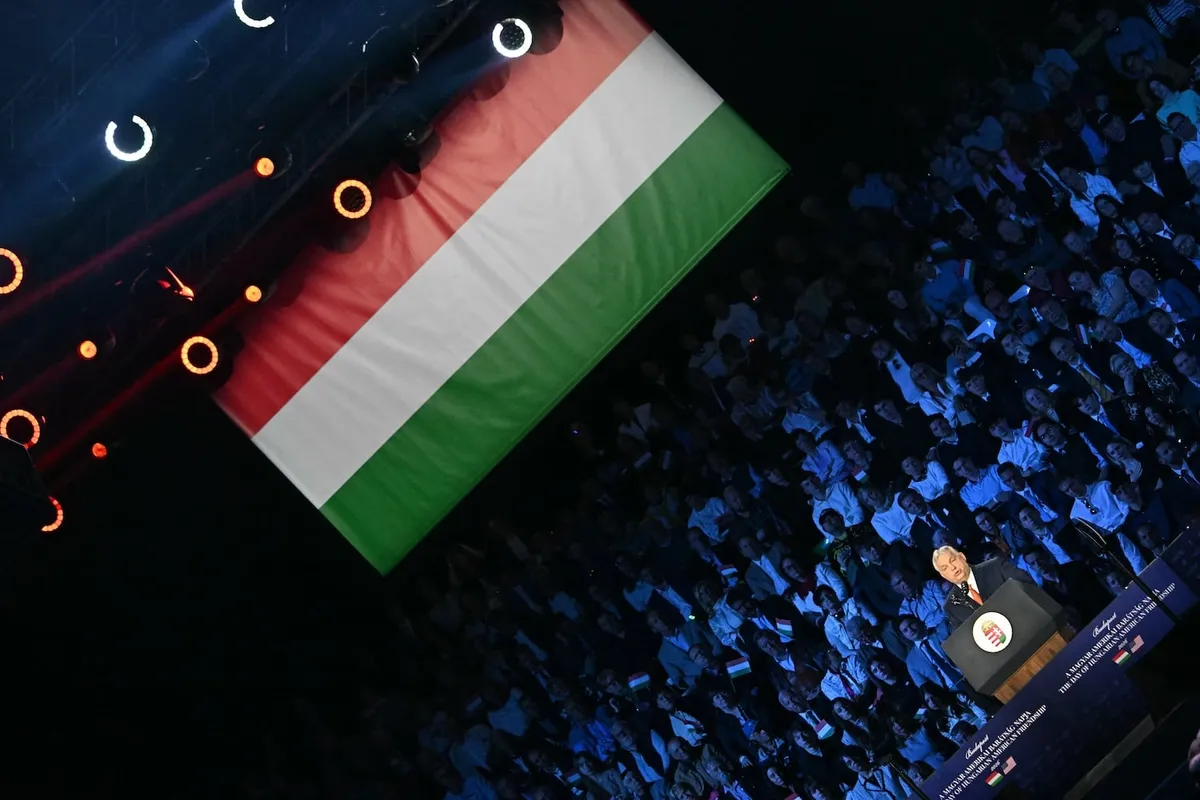
Hungary heads to the polls on Sunday in what analysts describe as a pivotal election, with Prime Minister Viktor Orban's economic stewardship emerging as a key fault line between his ruling Fidesz party and a resurgent opposition, according to reporting by Foreign Policy.
Orban, who has governed Hungary for more than a decade, built much of his political brand on promises of economic nationalism and protection of Hungarian households from external shocks. But that record is now under scrutiny as voters weigh his government's performance against rising costs of living and broader concerns about the country's economic trajectory.
Economic pressures mount
Hungary has faced persistent inflation in recent years, squeezing household budgets and eroding real wages. The country's economy has also been affected by its complicated relationship with the European Union, which has withheld billions of euros in cohesion funds over rule-of-law concerns - funds that the government in Budapest had previously relied upon to support public spending and infrastructure investment.
Critics of Orban argue that his administration's economic management has left Hungary more vulnerable than necessary to external pressures, pointing to currency weakness and slowing growth as evidence of structural problems that go beyond global trends.

Magyar's challenge
Peter Magyar, the opposition candidate who has energized anti-government sentiment in the country, has made economic accountability a central pillar of his campaign. Magyar, a relative newcomer to frontline politics, has sought to connect economic grievances to broader arguments about governance and transparency under Orban's long tenure.
Orban and Fidesz, for their part, have defended the government's record by pointing to low unemployment figures and social spending programs designed to support families. The government has also framed the economic difficulties Hungary faces as largely the result of the war in Ukraine and what it characterizes as misguided EU sanctions policy.

What is at stake
The election represents one of the more competitive contests Orban has faced in years, with Magyar's movement drawing large crowds and channeling frustration that cuts across traditional political divides. Whether economic discontent translates into sufficient votes to unseat one of Europe's longest-serving leaders remains the central question heading into Sunday's vote.
The outcome will have implications beyond Hungary's borders, given Orban's role as a dissenting voice within the EU on issues ranging from Ukraine aid to migration policy. A change in government could shift Hungary's posture within the bloc, while a Fidesz victory would likely cement Orban's continued influence in European affairs.
Polling ahead of the vote has shown a tighter race than in previous election cycles, though Fidesz retains structural advantages built up over years in government, including influence over media and electoral district boundaries.