A fragile cease-fire between the United States and Iran is facing serious questions about its long-term viability, with analysts and observers identifying multiple unresolved issues that could derail the agreement, according to reporting by Foreign Policy.
What remains unresolved
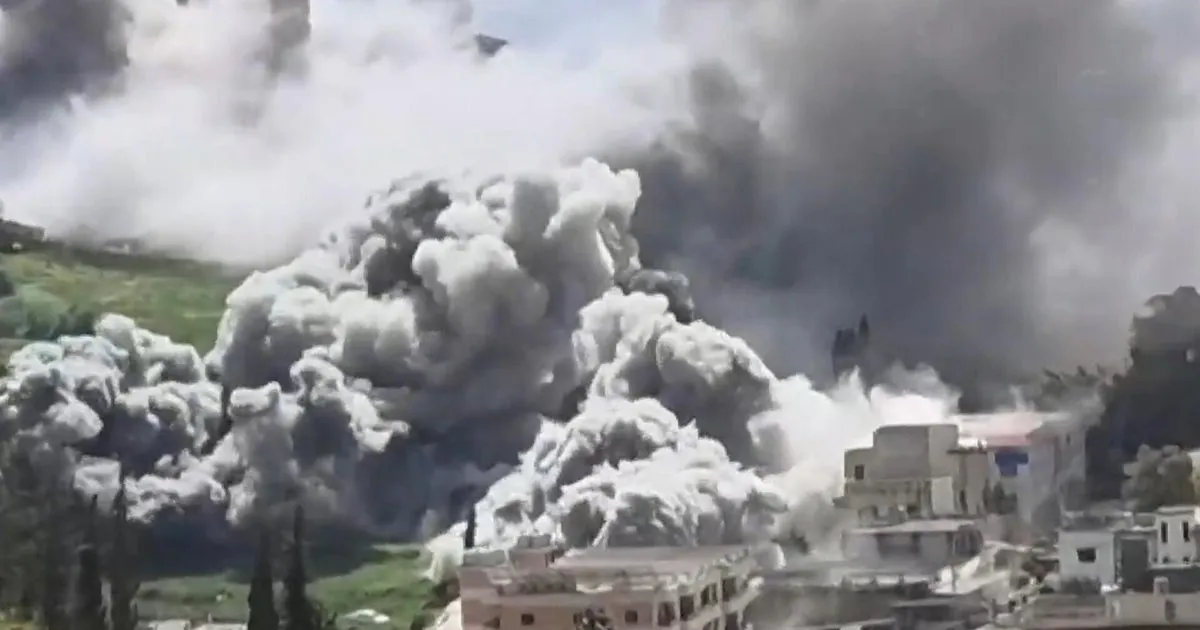
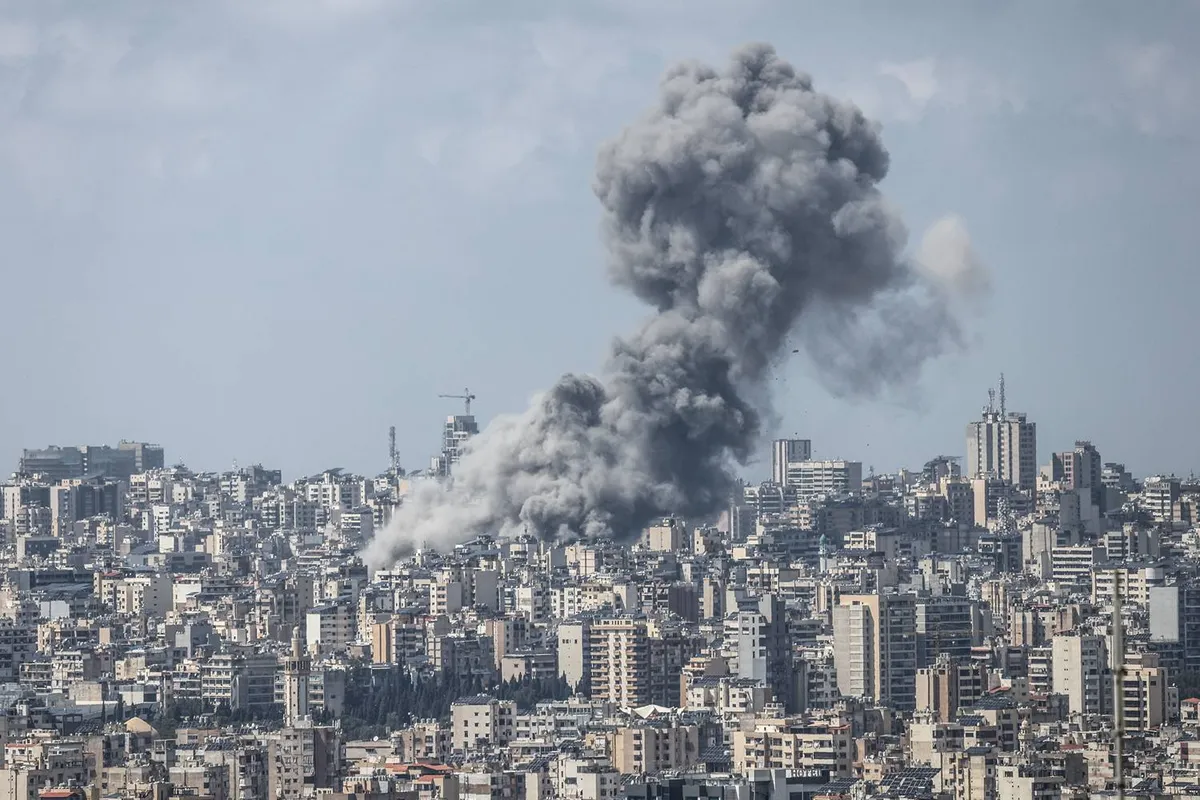
The truce, while representing a pause in hostilities, leaves several critical matters without clear answers. Among the most pressing concerns are the future status of Iranian-backed forces in Lebanon, the ongoing situation in the broader Middle East, and the question of whether either side has the political will to convert a temporary halt into something more durable.
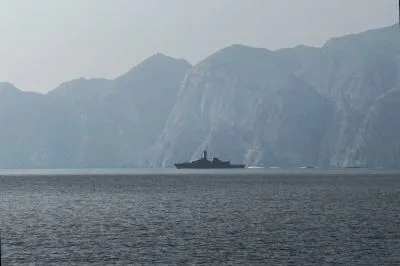
The Strait of Hormuz - one of the world's most strategically vital shipping corridors - remains a potential flashpoint. Iranian influence over the waterway has long been a source of tension with the United States and its allies, and the cease-fire has not resolved questions about freedom of navigation or Tehran's posture toward international shipping.
Israel's role
The position of Israel adds another layer of complexity. Any agreement negotiated between Washington and Tehran must account for Israeli security concerns, and it remains unclear how closely the two allies have coordinated on the terms of the truce or what commitments, if any, the United States has made to Israel in exchange for its acquiescence.
Durability and enforcement
Questions of enforcement are also unresolved. Cease-fires without clear monitoring mechanisms and consequences for violations have historically proven difficult to sustain in the region. It is not yet clear what body or process would be responsible for adjudicating alleged breaches by either party.
Domestic politics on both sides present additional complications. In Iran, hardliners have historically resisted agreements perceived as concessions to Washington. In the United States, any arrangement with Tehran faces scrutiny from lawmakers and allied governments who remain deeply skeptical of Iranian intentions.
A tenuous moment
Foreign Policy's analysis characterizes the current moment as one of significant uncertainty, where the cease-fire represents an opening rather than a resolution. Whether diplomatic channels can translate the pause in hostilities into concrete, verifiable agreements remains the central question facing negotiators on both sides.
The coming weeks are expected to test whether the political will exists to move beyond the immediate truce and address the deeper structural issues that have defined U.S.-Iran relations for decades.