Ancient dice recovered from archaeological sites suggest that Ice Age hunter-gatherers in North America may have possessed a sophisticated understanding of probability thousands of years before the concept was formally codified in mathematics, according to research reported by Ars Technica.
The findings indicate that early Native Americans were not simply playing games of chance by accident. Researchers describe these individuals as having been "intentionally relying on random outcomes in repeatable, rule-based ways" - a phrase that implies a structured, conscious engagement with randomness rather than casual or superstitious play.
What the artifacts reveal
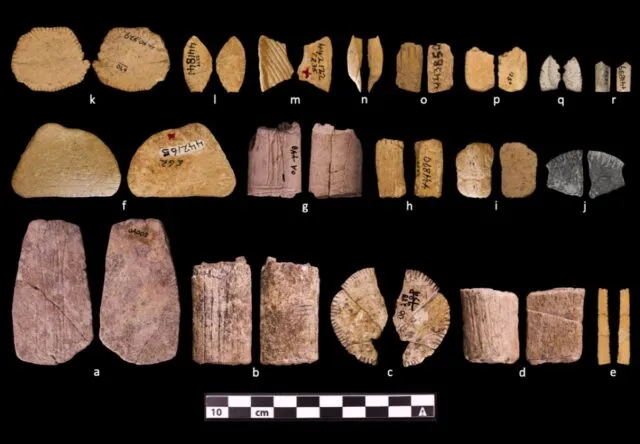
The dice themselves, recovered from Ice Age-era contexts, serve as physical evidence that ancient peoples had developed frameworks for games or decision-making processes that depended on unpredictable outcomes. The existence of rule-based systems around random results suggests a level of abstract thinking that researchers say should not be underestimated in pre-agricultural societies.
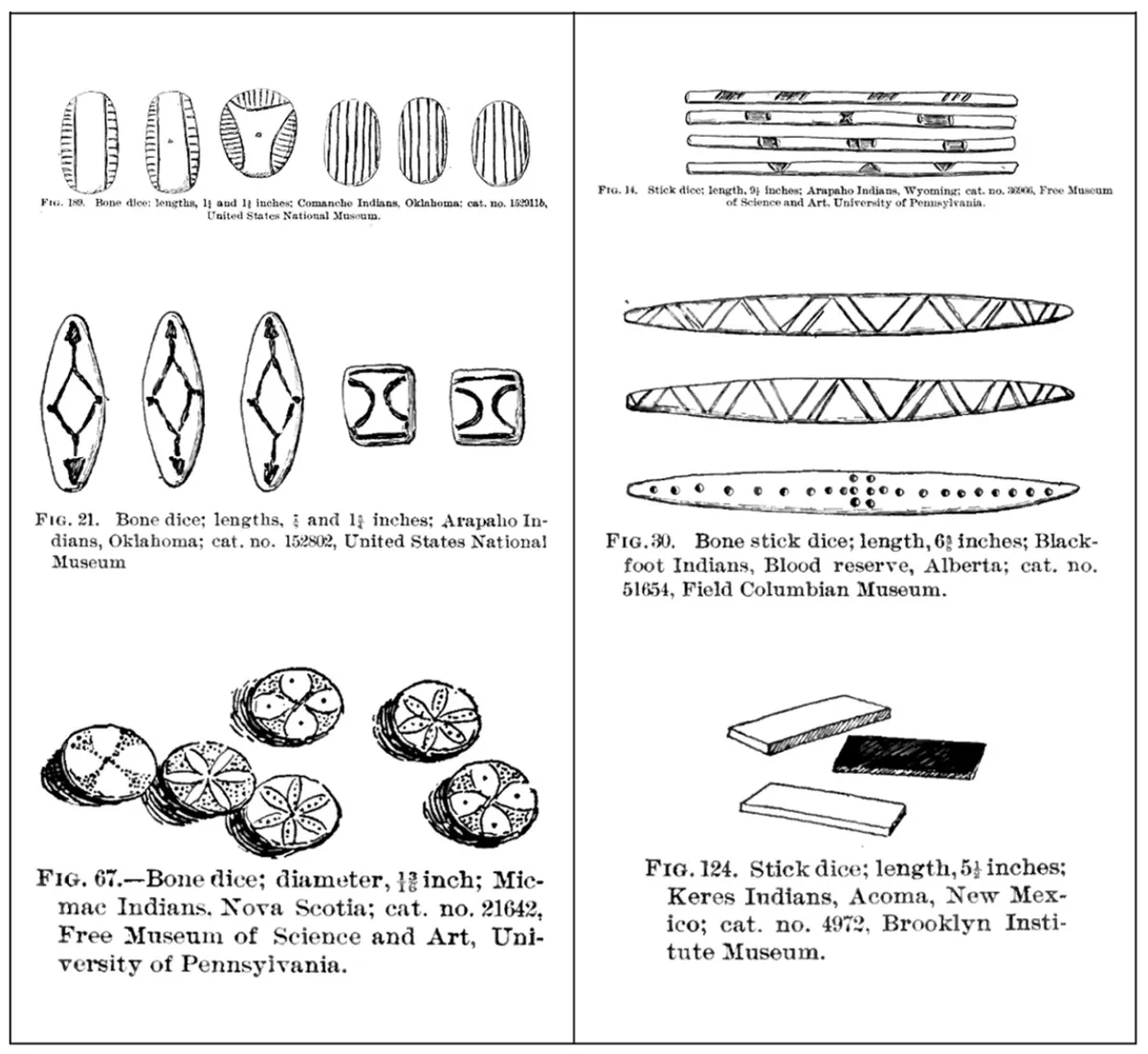
The discovery challenges assumptions that complex probabilistic reasoning emerged only with the development of formal mathematics in later civilizations. Instead, the evidence points to an intuitive grasp of chance that hunter-gatherer communities applied in practical, repeatable contexts long before written records.
Broader implications for understanding ancient cognition
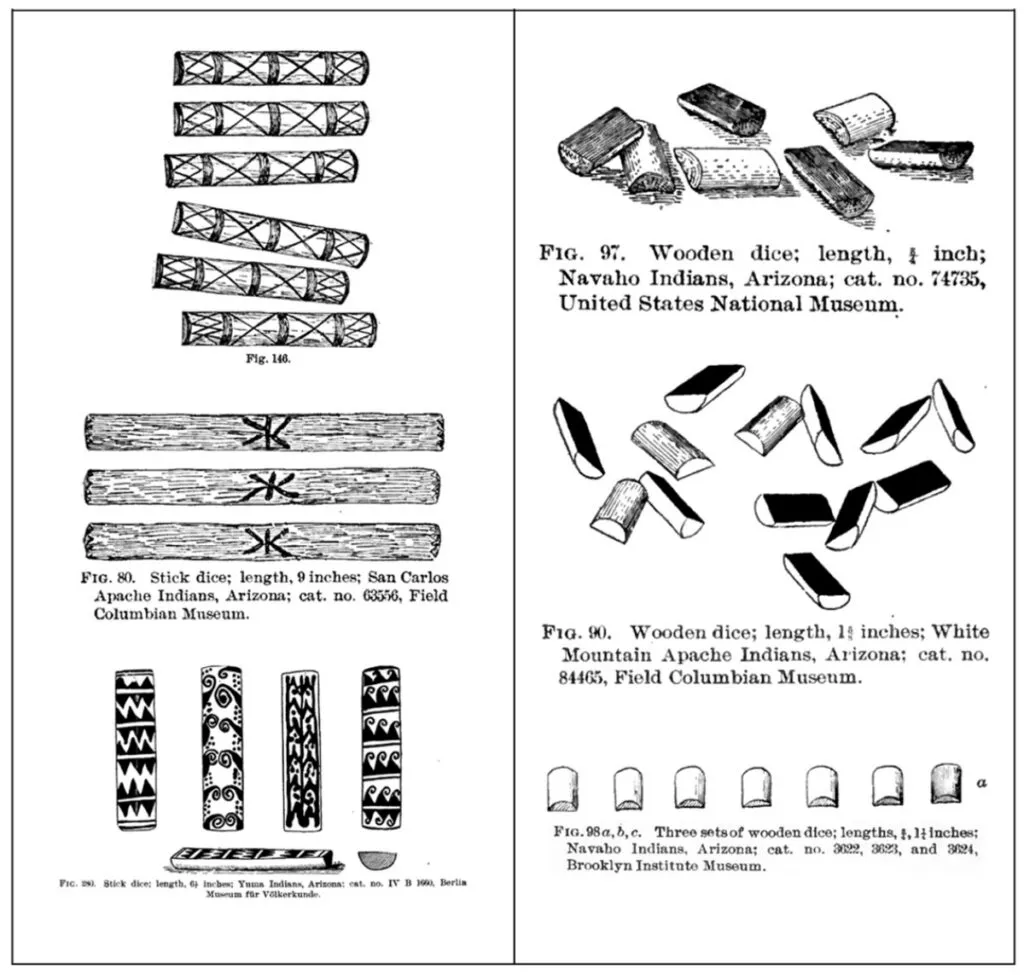
Archaeologists and cognitive scientists have increasingly pushed back against the notion that ancient or pre-literate peoples lacked sophisticated intellectual frameworks. Findings like these dice contribute to a growing body of evidence suggesting that human cognitive capabilities - including abstract reasoning about uncertainty - have deep prehistoric roots.
The use of dice or similar randomizing objects also raises questions about the social and cultural functions such games may have served. Researchers note that rule-based games involving random outcomes could have played roles in dispute resolution, resource allocation, or communal bonding within hunter-gatherer groups.
The full study adds to an expanding field of research examining the intellectual and cultural lives of prehistoric peoples in the Americas, a subject that has gained renewed academic interest as new archaeological methods allow for more precise dating and analysis of ancient artifacts.