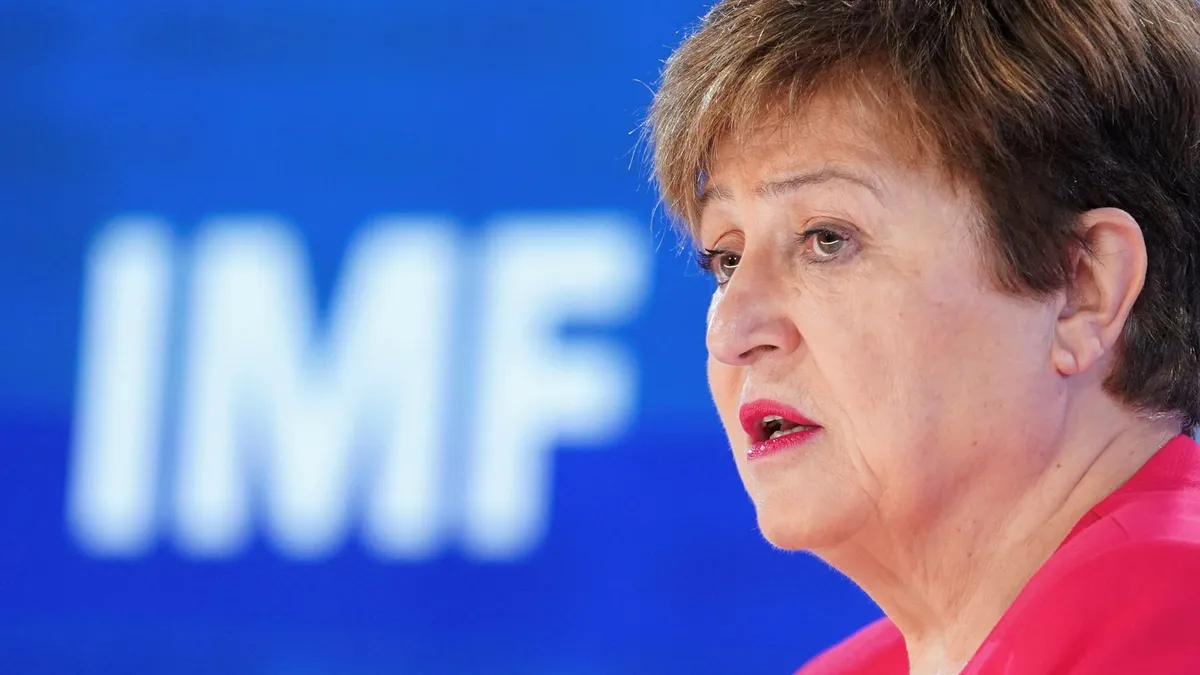
The International Monetary Fund has warned that the world faces diesel and jet fuel shortages lasting "for some time," attributing the expected disruption to the ongoing war in Iran, according to a report by Sky News.
The IMF's assessment signals that the conflict is poised to have far-reaching consequences for global energy supply chains, with knock-on effects anticipated across industries that depend heavily on refined petroleum products.
Why diesel and jet fuel are particularly exposed
Diesel and jet fuel are refined petroleum products that power large portions of the global economy - from freight trucks and shipping vessels to commercial aviation and agricultural machinery. Disruptions to their supply can raise costs across sectors and feed into broader inflationary pressures.
Unlike crude oil, which can be sourced from a wide range of producers, refined fuel supply chains are more concentrated and less flexible in the short term. Refining capacity and distribution infrastructure take time to redirect, meaning shocks to supply in one region can ripple outward quickly.
Conflict in Iran as a supply shock
Iran is a significant producer of crude oil and occupies a strategic position near key energy transit routes in the Middle East, including the Strait of Hormuz - a chokepoint through which a substantial share of the world's seaborne oil passes. Any conflict involving Iran carries inherent risks for regional energy flows.
The IMF's warning suggests that the fund views the current disruption as more than a temporary market fluctuation, indicating structural supply constraints that markets may struggle to offset quickly.
Potential economic fallout
Fuel price increases driven by supply shortages typically feed into consumer prices broadly, as transportation costs affect the delivery of goods ranging from food to manufactured products. Airlines, logistics companies, and agricultural producers are among the sectors most directly exposed.
Central banks and policymakers in fuel-importing nations may face renewed pressure to respond to energy-driven inflation at a time when many are still managing the economic aftereffects of previous price shocks.
The IMF has not yet detailed the full scope of its projections related to the conflict, but the fund's intervention signals that global economic institutions are treating the situation as a significant risk factor for near-term stability, according to Sky News.