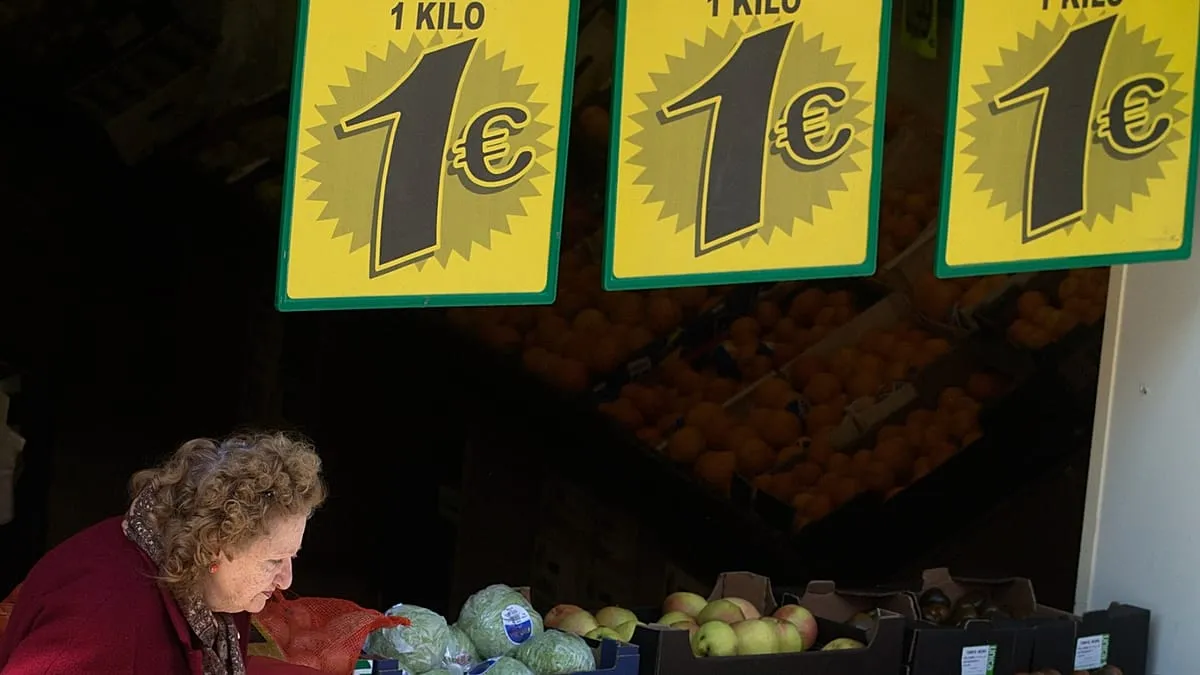
Spain's annual inflation rate climbed to 3.4% in March, a rise of more than one percentage point compared to February, according to data reported by Euronews. The increase was driven primarily by higher energy prices, particularly fuel costs, which pushed the country's consumer price index (CPI) sharply upward.
The jump marks a notable acceleration in price pressures for Spanish consumers, who had seen relatively more moderate readings in preceding months. Energy costs have been a persistent driver of inflationary trends across Europe, and Spain has not been immune to those broader market forces.
Government response
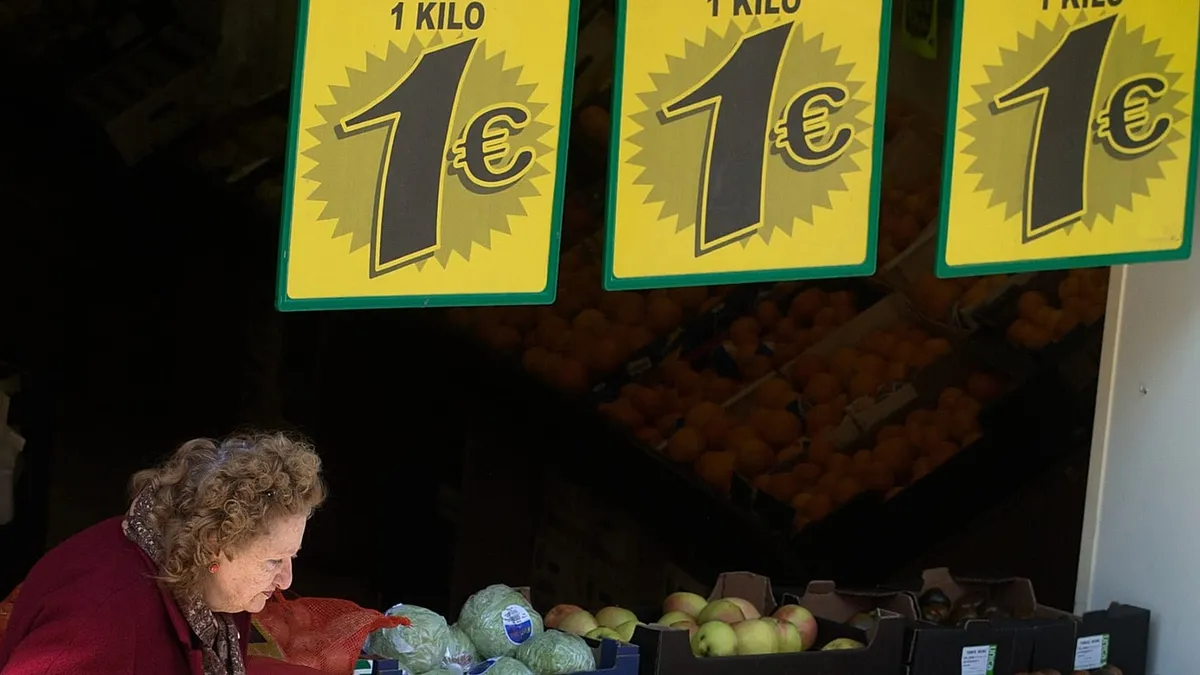
Spanish government officials expressed confidence that existing policy measures would help bring prices under control. According to Euronews, authorities pointed to the country's anti-crisis plan as a mechanism they believe will ultimately moderate inflation in the coming months.

The government did not provide a specific timeline for when the effects of those measures might be fully reflected in official price data.

Broader context
Energy price volatility has continued to weigh on household budgets and business costs across the eurozone. Fuel prices, which feed directly into transportation and logistics expenses, tend to have a cascading effect on the wider economy, influencing the cost of goods and services beyond the energy sector itself.
Spain's March reading puts it among several European economies grappling with renewed inflationary pressure after a period of gradual easing from the highs recorded in 2022 and 2023. Whether the latest rise represents a temporary spike or the beginning of a more sustained trend will depend in part on global energy market dynamics and the effectiveness of national policy responses.
Further official data and analysis from Spain's national statistics institute are expected to provide additional detail on the composition of the March CPI figures.