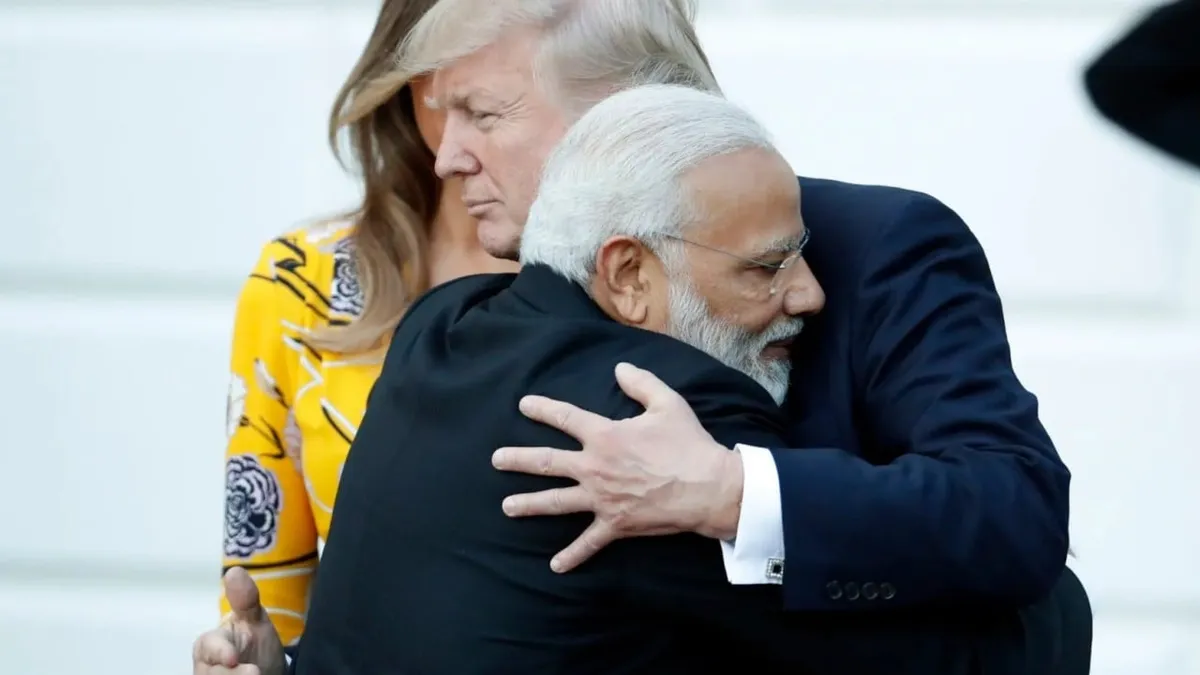
India is planning to host a Quad foreign ministers' meeting that could be presented as a leaders-level gathering, even without the heads of government in attendance, according to two people familiar with the matter cited by the South China Morning Post.
The move follows India's 2025 term as the Quad's rotating chair passing without a full leaders' summit taking place, leaving New Delhi in an uncomfortable diplomatic position within the Indo-Pacific security grouping, which also includes the United States, Australia, and Japan.
A face-saving measure
The proposed reframing of the ministerial meeting is widely seen as an attempt to smooth over tensions and preserve India's standing within the grouping. Sourabh Gupta of the Institute for China-America Studies described the approach bluntly in comments to the South China Morning Post, calling it "akin to putting lipstick on a pig."
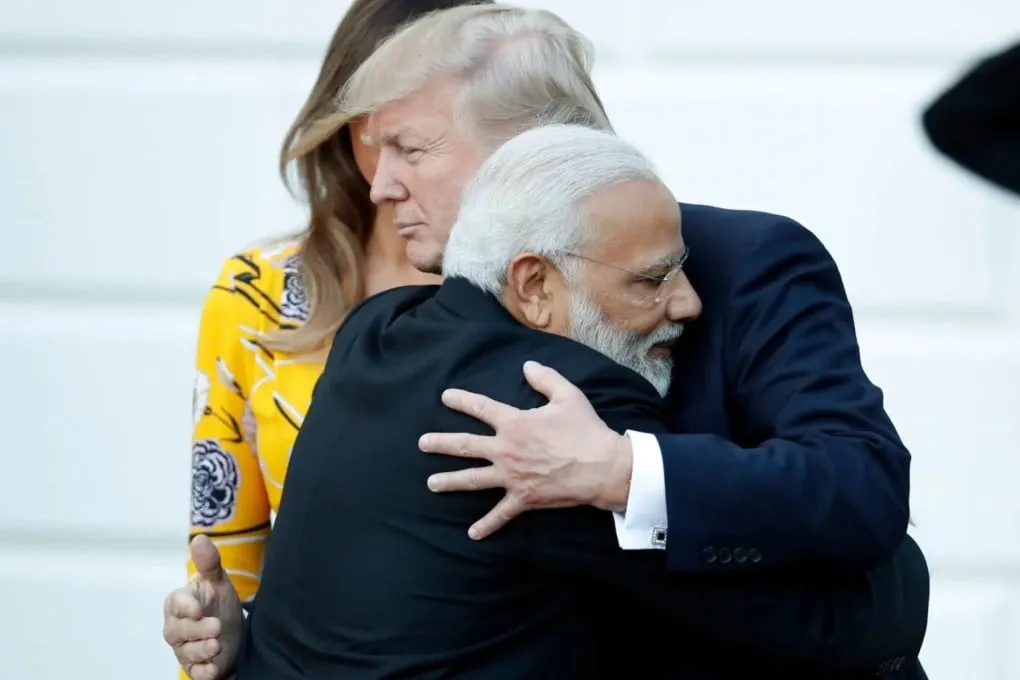
The Quad, formally known as the Quadrilateral Security Dialogue, has grown in strategic significance in recent years as member nations have sought to coordinate on security, trade, and infrastructure across the Indo-Pacific region, largely in response to China's expanding influence.
Diplomatic awkwardness in the Indo-Pacific
The situation reflects broader tensions within the grouping over scheduling, political priorities, and the willingness of top leaders to commit time and political capital to the alliance. A leaders' summit carries considerably more symbolic weight than a foreign ministers' meeting, and the absence of one during India's chair year is seen as a diplomatic shortfall.
By framing the ministers' meeting in elevated terms, India would seek to limit reputational damage from the failure to convene a summit at the highest level, sources told the Post.
The Quad was revived in its current form in 2017 and has since expanded its agenda beyond maritime security to include supply chain resilience, climate cooperation, and health security. Leaders' summits have been held periodically since 2021, making the absence of one during India's rotating chairmanship more notable.
Regional implications
The internal friction comes at a sensitive moment for the grouping, with the Indo-Pacific remaining a focal point of competition between the United States and China. Any perception of disunity or diminished momentum within the Quad could affect how regional governments and strategic partners assess the alliance's cohesion and long-term reliability.
It remains unclear whether a formal leaders' summit will be scheduled at a later date or whether the proposed foreign ministers' meeting will proceed as currently planned. Representatives for the governments involved had not publicly commented on the reported arrangements at the time of publication.