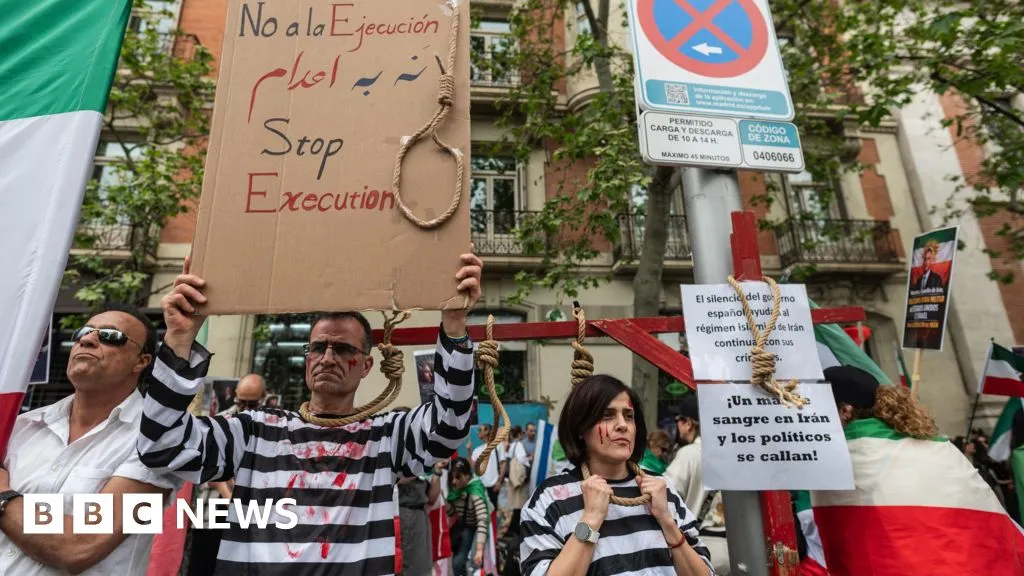
Iran has recorded its highest number of executions in decades, according to a damning report covered by the BBC, and human rights organisations are sounding the alarm that the worst may still be ahead.
The numbers are staggering. The Islamic Republic carried out a jaw-dropping surge in executions throughout 2022, a figure that puts it firmly back in the conversation for one of the world's most prolific executioners - a competition, it must be said, that nobody should want to win.
The protest crackdown connection
The timing is not coincidental. Iran was rocked in late 2022 by a massive wave of anti-government protests, triggered by the death of 22-year-old Mahsa Amini in the custody of the country's morality police. The protests, which spread across dozens of cities under the banner of "Woman, Life, Freedom," were met with a fierce state response - mass arrests, violence, and now, reportedly, the threat of execution for some of those detained.
Rights groups warn that hundreds of people arrested during the protest crackdown could be facing the death penalty, meaning the already alarming 2022 figures could look like a warm-up act compared to what follows.
Who is being executed?
According to reporting by the BBC, a significant portion of executions have been drug-related offenses - a category that international human rights law generally considers an inappropriate basis for capital punishment. But political prisoners and protesters are increasingly being added to that grim ledger, raising fears that the judicial system is being weaponised as a tool of political suppression.
The global response (or lack thereof)
Human rights organisations including Amnesty International have been vocal in condemning Iran's execution rate, but concrete international pressure has remained, let's be honest, largely performative. Strongly-worded statements have so far done little to slow the pace of hangings.

Iran, for its part, has consistently defended its judicial processes as sovereign matters, brushing off international criticism as interference in its internal affairs - a rhetorical move so well-worn it practically has its own frequent flyer card.
What comes next?
The real concern among rights advocates is the pipeline of cases still working their way through Iran's court system. Thousands were arrested during the 2022 protests, and with charges of "enmity against God" and "corruption on earth" - offenses that carry the death penalty under Iranian law - the numbers could climb significantly.
It is a situation that human rights groups say demands urgent international attention. Whether that attention materialises in any meaningful way remains, unfortunately, an open question.
Source: BBC News