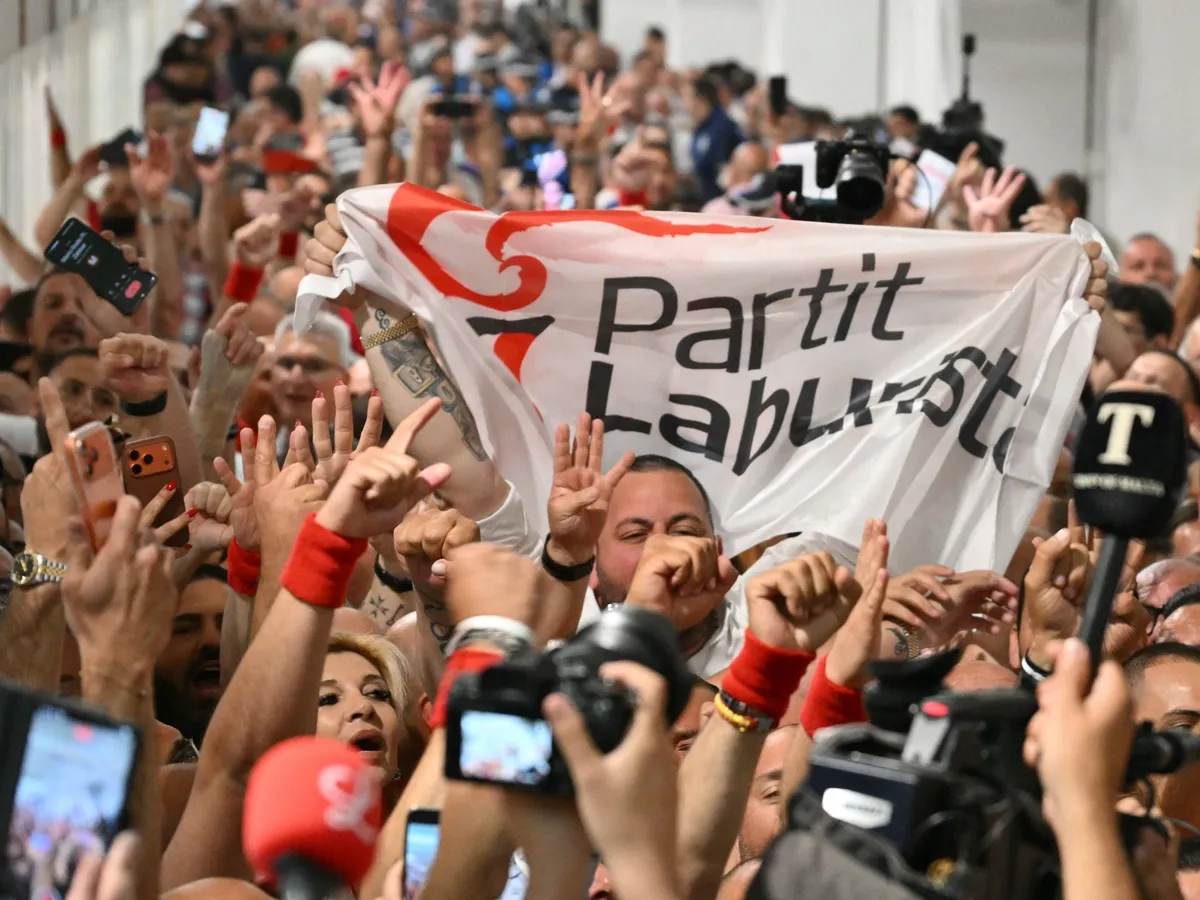
If you blinked, you might have missed it - but Malta, the pint-sized Mediterranean archipelago best known for its ancient temples, crystal-clear waters, and being roughly the size of a medium-sized city park, just made a pretty serious political statement. The Labour Party has secured a historic fourth consecutive term in government, according to preliminary results reported by Al Jazeera.
Fourth time's the charm (apparently)
Winning four consecutive terms anywhere is the political equivalent of getting four aces in a row - statistically improbable, narratively satisfying, and deeply suspicious to the opposition. Yet that is exactly what Malta's Labour Party has managed to pull off, cementing itself as the dominant force in Maltese politics at a time when ruling parties across Europe are being turfed out faster than tenants in a hot rental market.
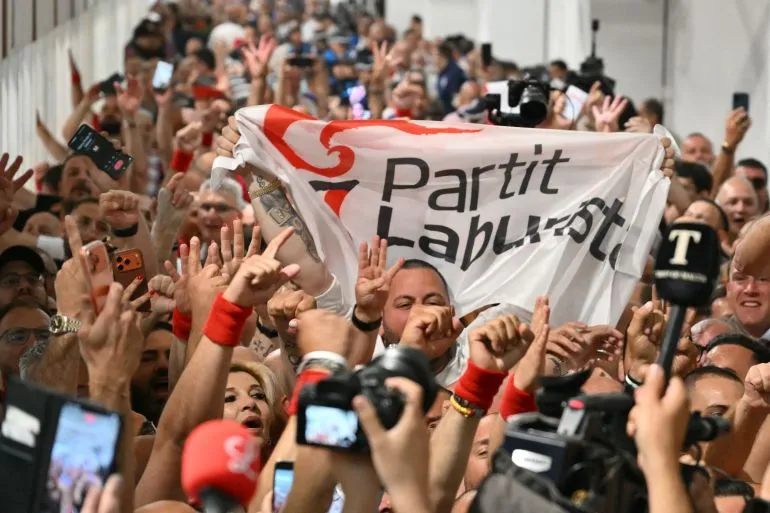
The victory comes despite a backdrop of significant geopolitical and economic instability concerns, according to Al Jazeera's reporting. The Mediterranean region has been under considerable pressure from migration flows, energy price volatility, and broader European Union tensions - none of which apparently moved Maltese voters enough to reach for a different lever in the voting booth.
Why does this matter beyond Malta's 500,000 people?
Fair question. Malta is small - really small. But it punches above its weight as an EU member state, a financial services hub, and a key transit point in Mediterranean migration routes. Its political stability, or entrenchment depending on who you ask, has real implications for how the island navigates its complex position between European institutional obligations and its historically pragmatic foreign policy.
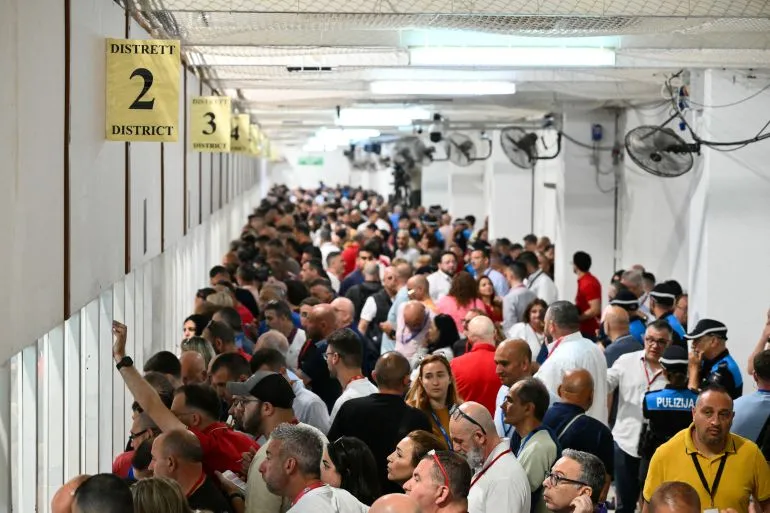
Labour's continued grip on power also raises questions that critics have been asking for years about governance, rule of law, and institutional independence - concerns that have previously attracted scrutiny from EU watchdogs and civil society organisations. Whether a fourth term emboldens reform or entrenches the status quo remains to be seen.
What happens next
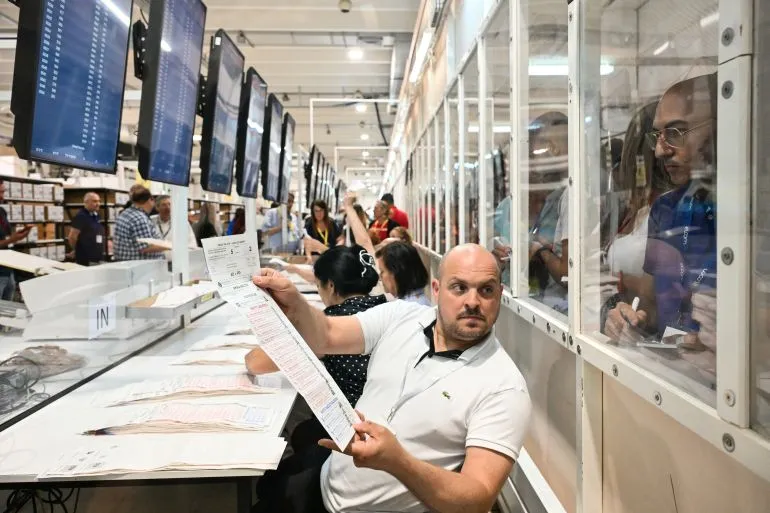
Preliminary results are in, but the full picture of the mandate's size will emerge as final counts are confirmed. Either way, Labour's leadership will be reading this as a ringing endorsement to keep doing whatever it has been doing - which, depending on your political persuasion in Malta, is either a reassuring or deeply alarming sentence.
One thing is certain: in an era of political volatility where governments are falling like dominoes across the Western world, Malta's Labour Party has somehow figured out how to stay standing. Someone should probably write a book about that.
Source: Al Jazeera