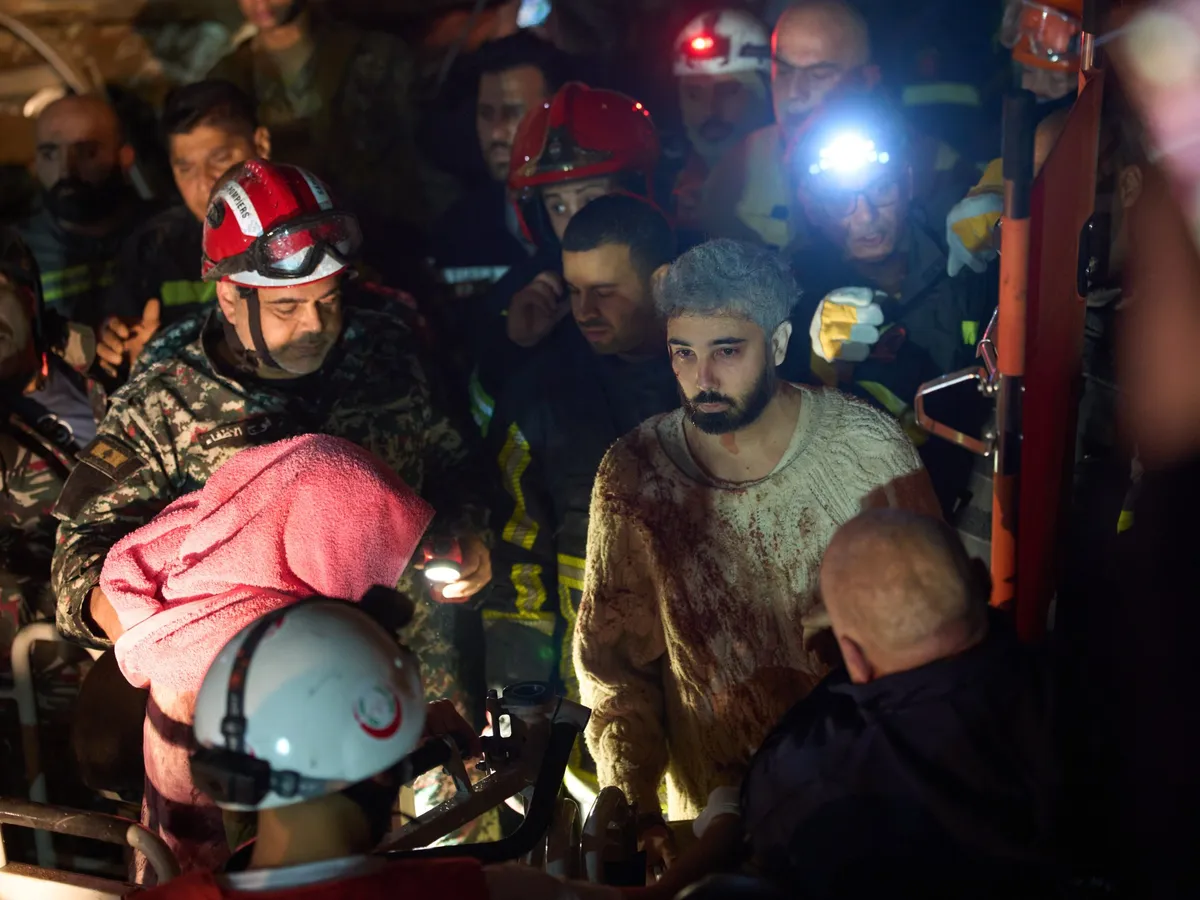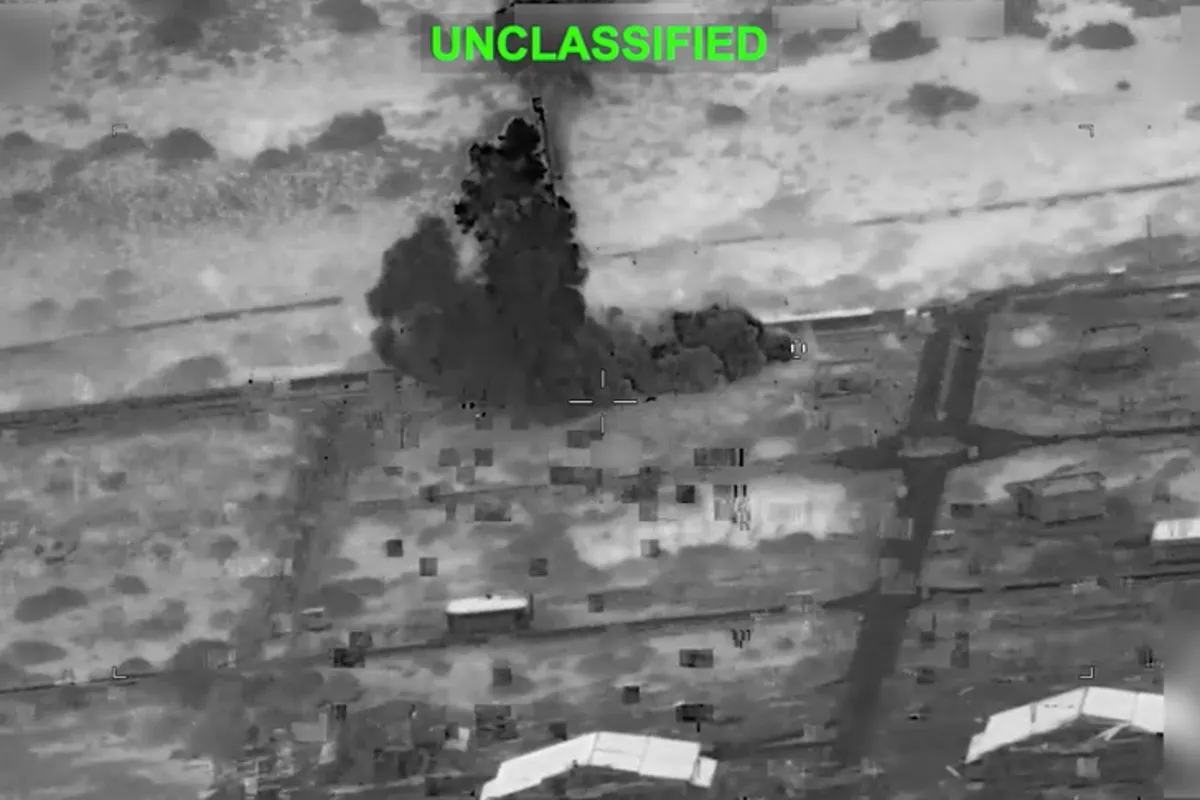
Iran's Islamic Revolutionary Guard Corps (IRGC) launched a volley of drones and missiles targeting what it called 'enemy bases' in the Middle East, according to reporting by The Independent. The US military, however, says the attack largely amounted to a very expensive fireworks display - intercepted before causing any significant damage.
According to The Independent, US forces reported intercepting the incoming projectiles, throwing cold water on whatever victory narrative Tehran was hoping to project. Radar sites in the region were reportedly hit, which is about the most face-saving outcome Iran could claim from the operation.

So what actually happened?
The IRGC announced it had struck 'enemy bases,' a phrase broad enough to mean almost anything and specific enough to sound dramatic on state television. Reports linked the strikes to areas including Kuwait and Bahrain, two countries that happen to host significant US military infrastructure - which probably was not a coincidence.
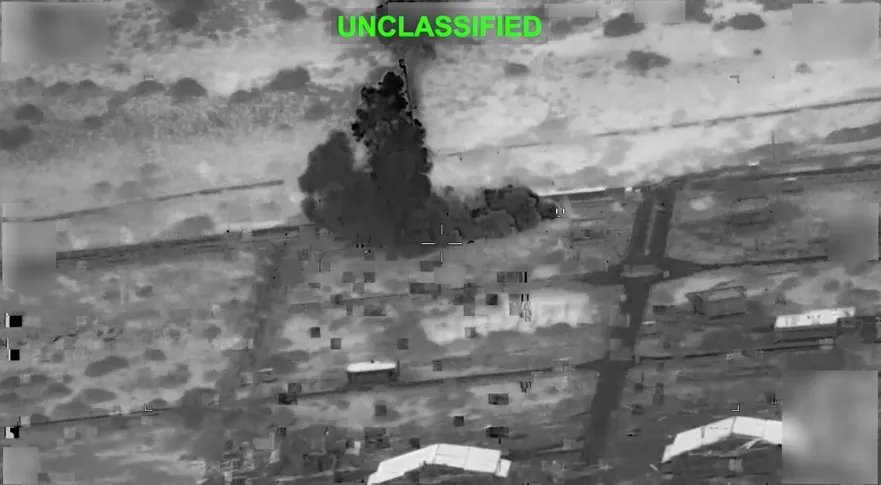
The US military's account paints a rather different picture. American forces said the drones and missiles were tracked and intercepted, suggesting the actual impact on allied military capabilities was minimal at best.
The bigger picture
This kind of exchange - Iran launching, the US intercepting, both sides claiming some version of success - has become a familiar rhythm in the region. Iran gets to demonstrate it can reach out and touch something. The US gets to demonstrate its missile defense systems work. Everyone files their press releases and goes home.
What makes this round notable is the scale of the launch and the apparent targeting of Gulf state installations, which raises the diplomatic temperature not just between Washington and Tehran, but also between Iran and its Arab neighbors who host those bases.
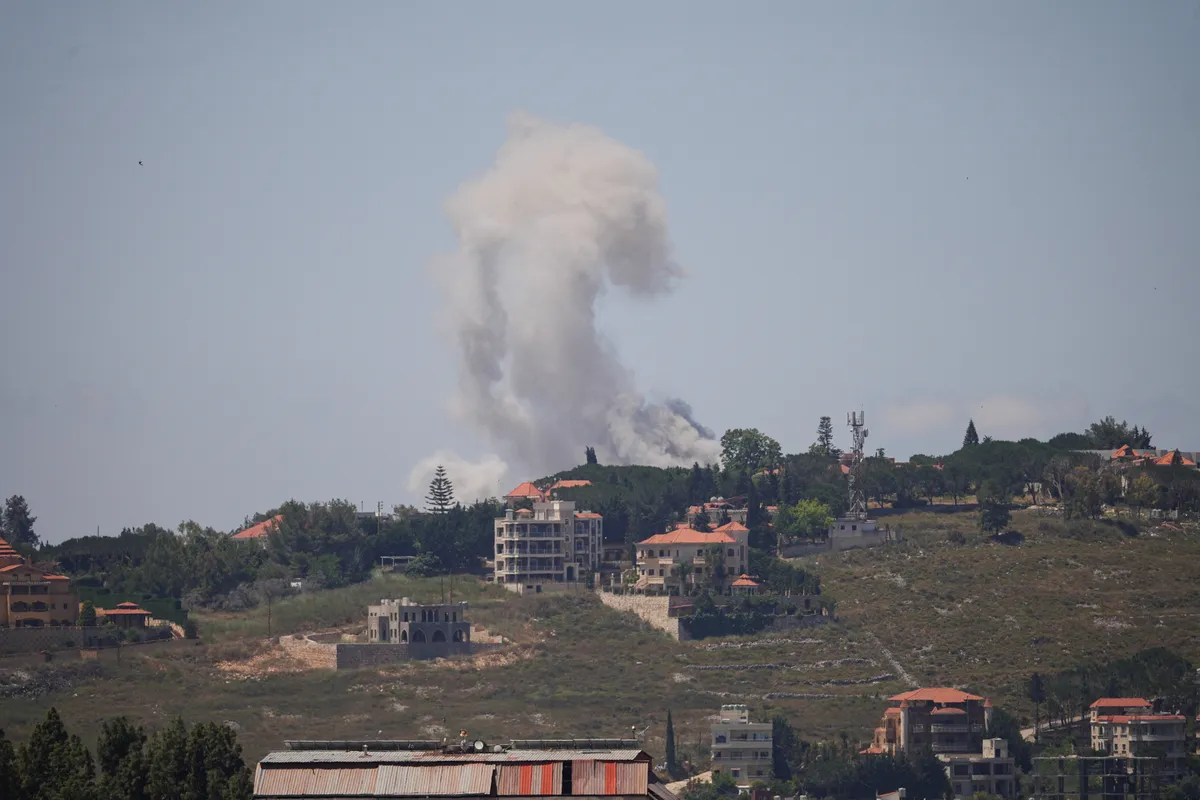
The radar sites that were reportedly damaged represent a real, if limited, tactical win for Iran - disrupting surveillance and tracking infrastructure, even temporarily, has genuine military value. Whether that justifies the cost of the munitions used and the potential for escalation is a question Iranian military planners are presumably debating right now.
What comes next?
The region has seen this movie before, and it rarely ends with a clean resolution. Expect statements, counter-statements, and at least three different countries claiming they have 'shown restraint.' The Independent's reporting indicates the situation remains fluid, with details still emerging about the full scope of the strikes and any damage assessments.
For now, the score according to the US military reads: interceptions successful, radar sites hit, and the geopolitical tension dial cranked up another notch.