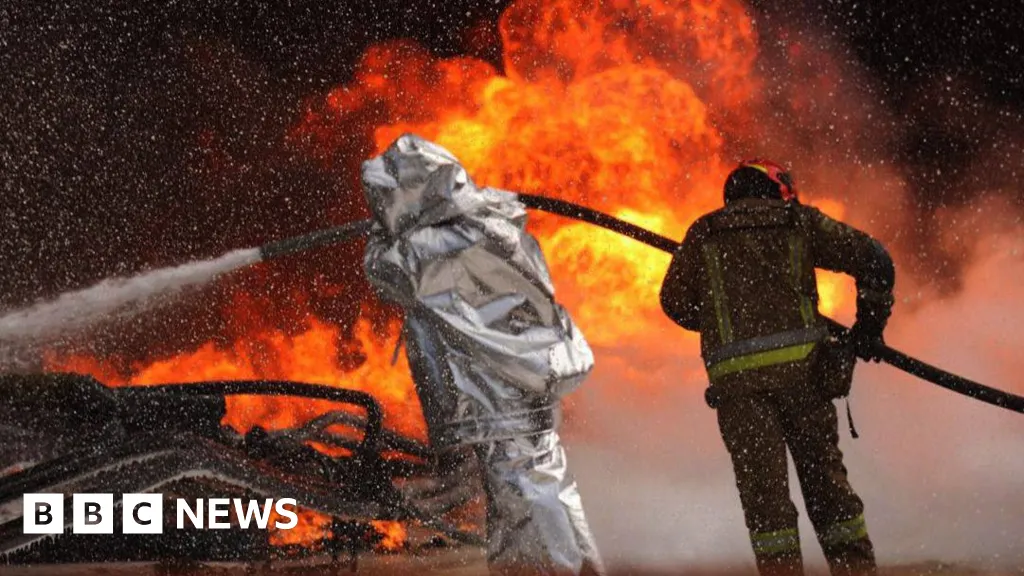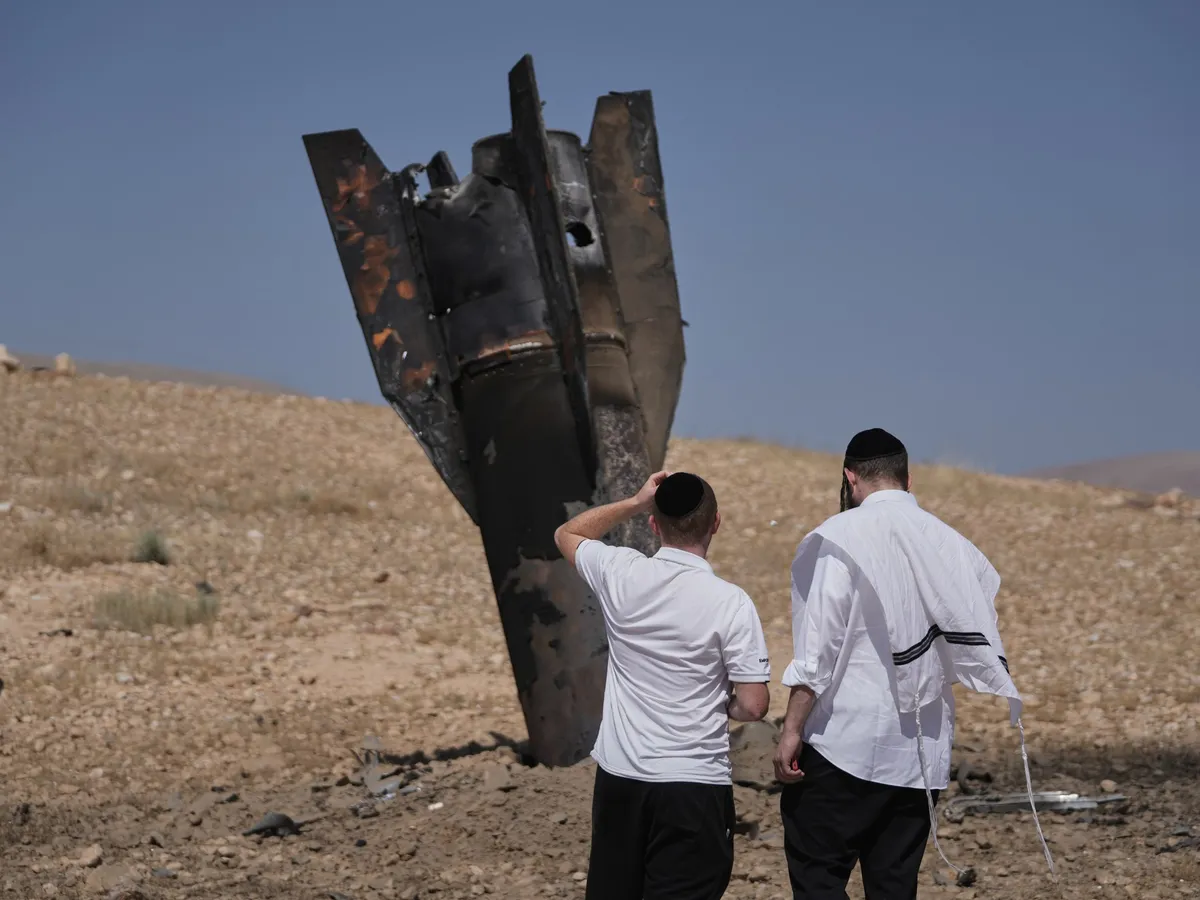
In what is shaping up to be one of the most alarming escalations in an already combustible region, Iran launched a missile attack against Israel, prompting U.S. President Donald Trump to urge restraint from all parties involved, according to Al Jazeera's live coverage.
The Iranian strike did not come out of nowhere - it followed an Israeli attack on Beirut, Lebanon's capital, which killed at least two people and wounded 20 others, according to the same reporting. So yes, we are firmly in the territory of action-reaction escalation, the geopolitical equivalent of two people insisting the other started it.
What we know so far
According to Al Jazeera, the sequence of events unfolded as follows: Israel struck Beirut, Iran responded with a missile attack on Israel, and Trump - apparently filling the role of the exasperated adult in the room - called for restraint. Whether anyone is listening remains, at this point, an open question with a somewhat depressing likely answer.
The Beirut strikes preceded the Iranian response and appear to be central to understanding the escalation timeline. At least two confirmed deaths and 20 injuries were reported from the Lebanese capital before Iran's missiles entered the picture.
Trump's restraint request - how's that going?
The U.S. president urging de-escalation is not a new phenomenon in Middle Eastern conflicts, but the effectiveness of such appeals has historically ranged from 'mixed' to 'lol.' Trump's call for restraint places Washington in the familiar and deeply uncomfortable position of trying to pump the brakes on a situation with no shortage of accelerators.
It is worth noting that at the time of this writing, the situation is described as live and ongoing. Details are still emerging, and the full scope of the Iranian missile attack - including reported damage or casualties on the Israeli side - had not been fully confirmed in the source material available.
Why this matters
A direct Iranian missile strike on Israeli territory represents a significant threshold in a conflict that has been simmering - and occasionally boiling - for decades. With Lebanon already absorbing Israeli strikes and Iran now entering the fray with projectiles rather than proxies, the risk of broader regional war is not a talking point. It is a very real possibility being taken seriously by governments across the globe.
This is a developing story. Attribution for all confirmed facts goes to Al Jazeera's live coverage. Claims not independently verified are presented as reported, not confirmed.