Conservative foreign policy figures who have long advocated a harder line against Iran are expressing frustration with the ceasefire that halted recent U.S. military operations against the country, arguing the Trump administration stopped short of achieving lasting strategic gains, according to reporting by Foreign Policy.
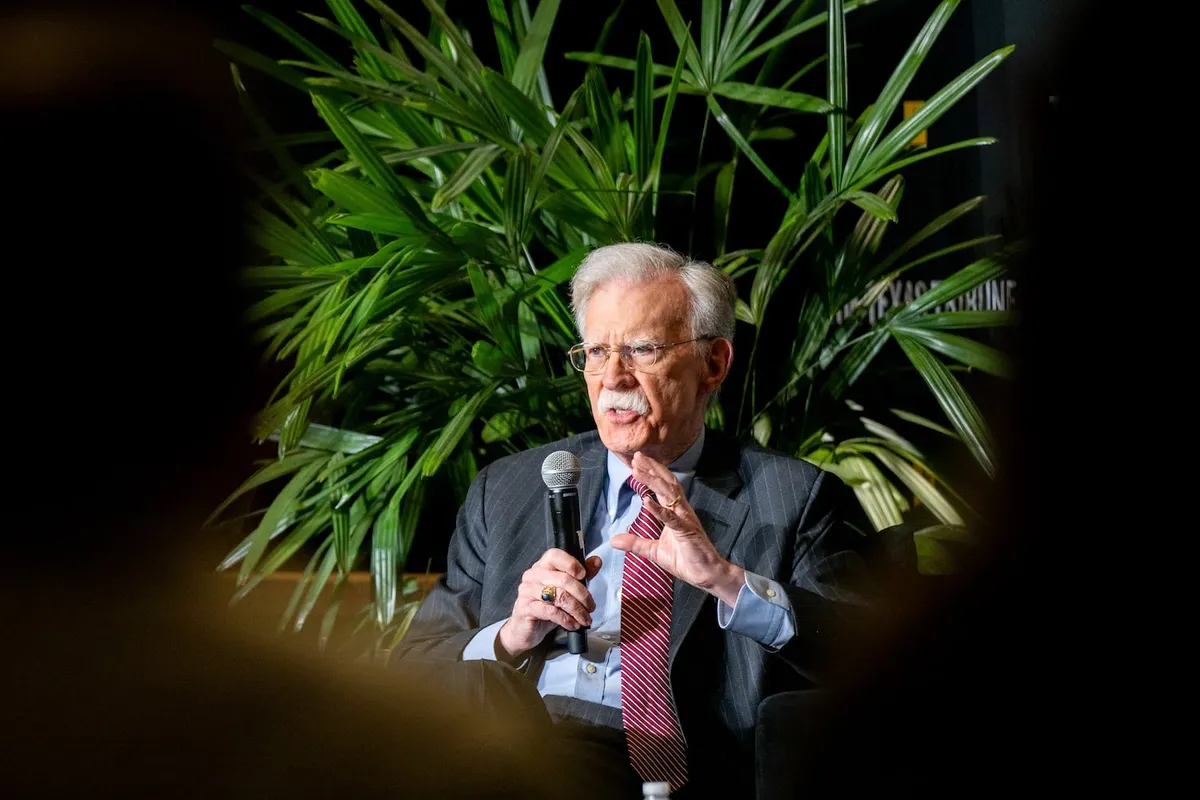
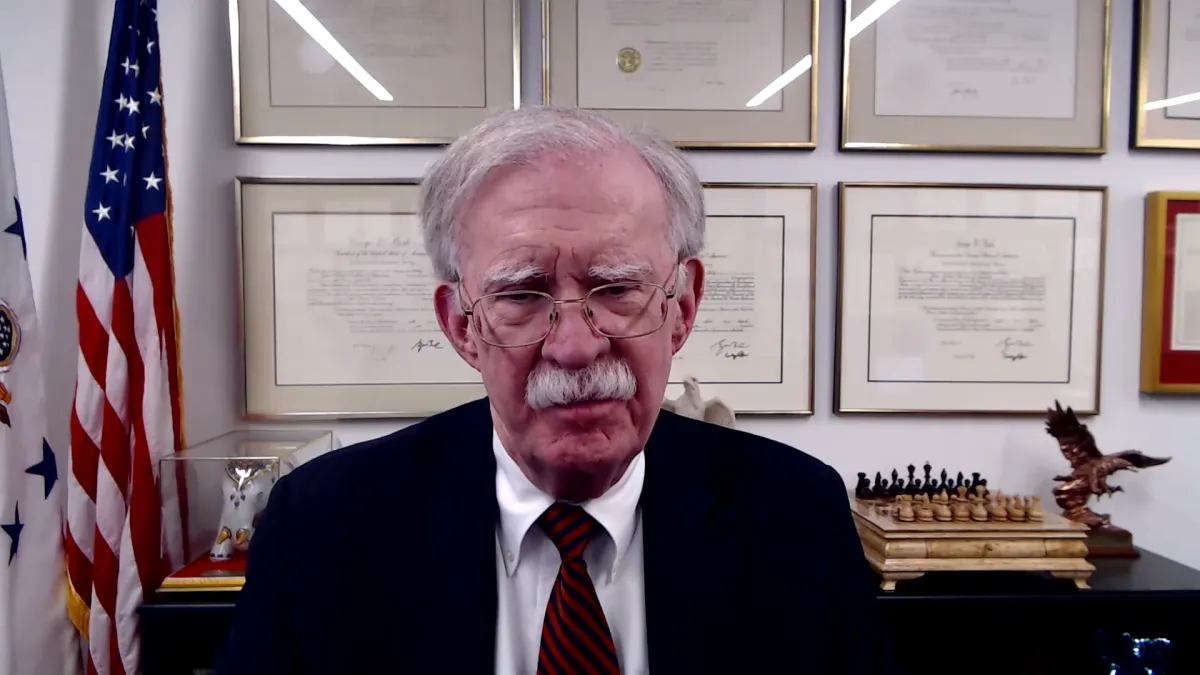
Former National Security Advisor John Bolton is among the most prominent voices in this camp, contending that the United States had a rare opportunity to more decisively degrade Iran's military and nuclear infrastructure and did not take it.
The hawk critique
The core argument from Bolton and like-minded analysts centers on a familiar concern: that ceasefires and negotiated pauses allow adversaries time to regroup, rebuild, and ultimately resume destabilizing activities. From this perspective, halting operations before Iran's most critical assets were neutralized represents a strategic miscalculation rather than a diplomatic achievement.
This view holds that Iran's theocratic leadership responds primarily to force, and that anything short of fundamental damage to its power base will be interpreted in Tehran as a lack of resolve on Washington's part.
The counterarguments
Supporters of the ceasefire approach, including those closer to the diplomatic track, have argued that sustained military escalation carries significant risks - including broader regional destabilization, retaliatory strikes on U.S. allies, and the possibility of a wider conflict drawing in multiple state and non-state actors.
They point out that military action alone has historically not resolved the underlying tensions with Iran, and that ceasefire conditions can create space for diplomacy that sustained bombing campaigns foreclose.
Political context
The debate reflects a longstanding divide within Republican foreign policy circles between those who prioritize military pressure and those willing to accept negotiated outcomes. Trump's decision-making has at times drawn criticism from both directions - from hawks who want more force and from those who question the strategic coherence of the operations themselves.
Bolton, who was ousted from the Trump White House in 2019 after clashes over Iran policy among other issues, has remained a vocal critic of what he views as insufficient resolve toward Tehran.
The ceasefire's durability and the terms attached to it remain central questions for analysts tracking the situation. Whether the pause leads to a broader diplomatic framework or simply delays further confrontation will likely define how both supporters and critics of the decision assess its long-term consequences.
Foreign Policy's reporting draws on Bolton's public statements and the broader reaction within hawkish foreign policy circles to the administration's handling of the most recent military exchange with Iran.