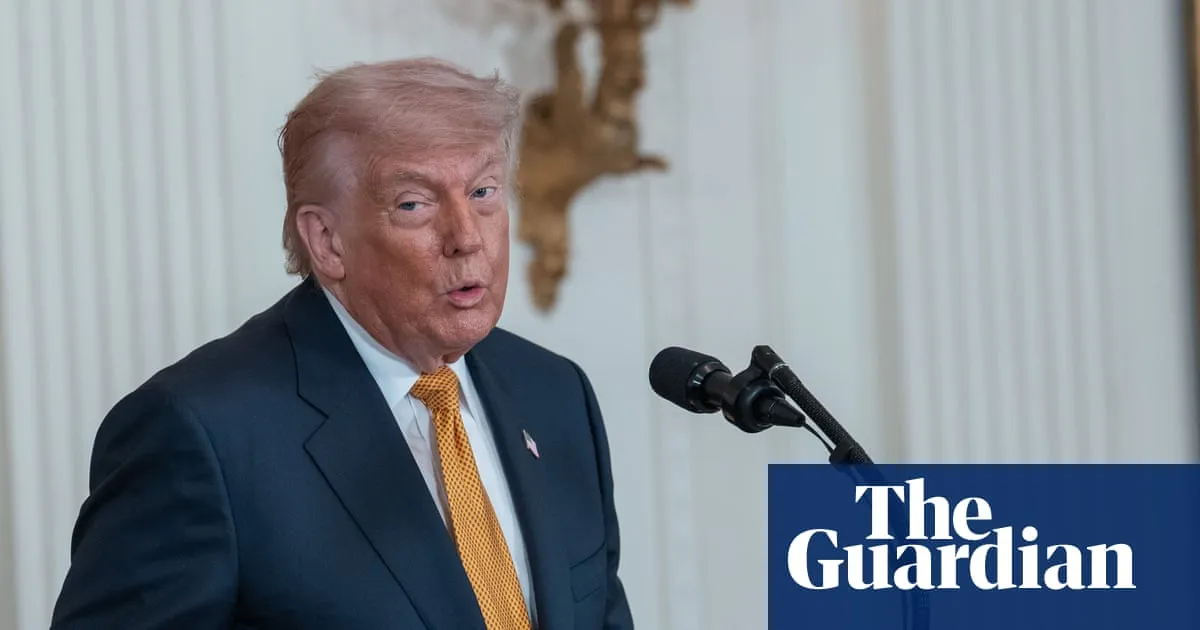
Iran has ridiculed the Trump administration after its announced military initiative to open the Strait of Hormuz - dubbed 'Project Freedom' - was abandoned less than 24 hours after it was publicly unveiled, according to reporting by The Guardian.
President Donald Trump suggested at the time that the scheme was shelved because a promising peace deal had emerged that could not be passed up. However, the reality behind the reversal was reportedly more complicated and embarrassing for Washington.
Saudi Arabia pulls the plug
According to The Guardian, the operation fell apart after Saudi Arabia refused to allow the United States to use its military bases - a fundamental logistical requirement for any such effort to project force in the region. The development cast a shadow over US relationships with Gulf partners at a sensitive moment in Middle East diplomacy.
The Trump administration's framing of the cancellation as a diplomatic opportunity, rather than a logistical setback, drew sharp criticism and mockery from Tehran, which has long portrayed US actions in the region as erratic and unreliable.
Broader context
The Strait of Hormuz is one of the world's most strategically vital waterways, with roughly 20 percent of global oil supplies passing through it. Iran has periodically threatened to close the strait during periods of heightened tension with the United States and its allies.
The episode reflects ongoing turbulence in US-Iran relations and the difficulties Washington faces in coordinating action with regional partners whose interests do not always align with American objectives. Saudi Arabia's reported refusal underscores the limits of US influence even among its closest Gulf allies.
The rapid rise and fall of 'Project Freedom' adds to a pattern of announcements from the Trump administration on Middle East policy that have either been walked back or proven difficult to execute, according to observers cited in The Guardian's reporting.
Iran's public mockery of the episode is consistent with its broader strategy of highlighting perceived US failures and contradictions in the region, a tactic Tehran has employed repeatedly during periods of diplomatic pressure.
Negotiations over a broader agreement between Washington and Tehran remain unresolved, with both sides continuing to dispute the terms under which any deal might be structured. The collapse of the Hormuz initiative is unlikely to simplify those talks.