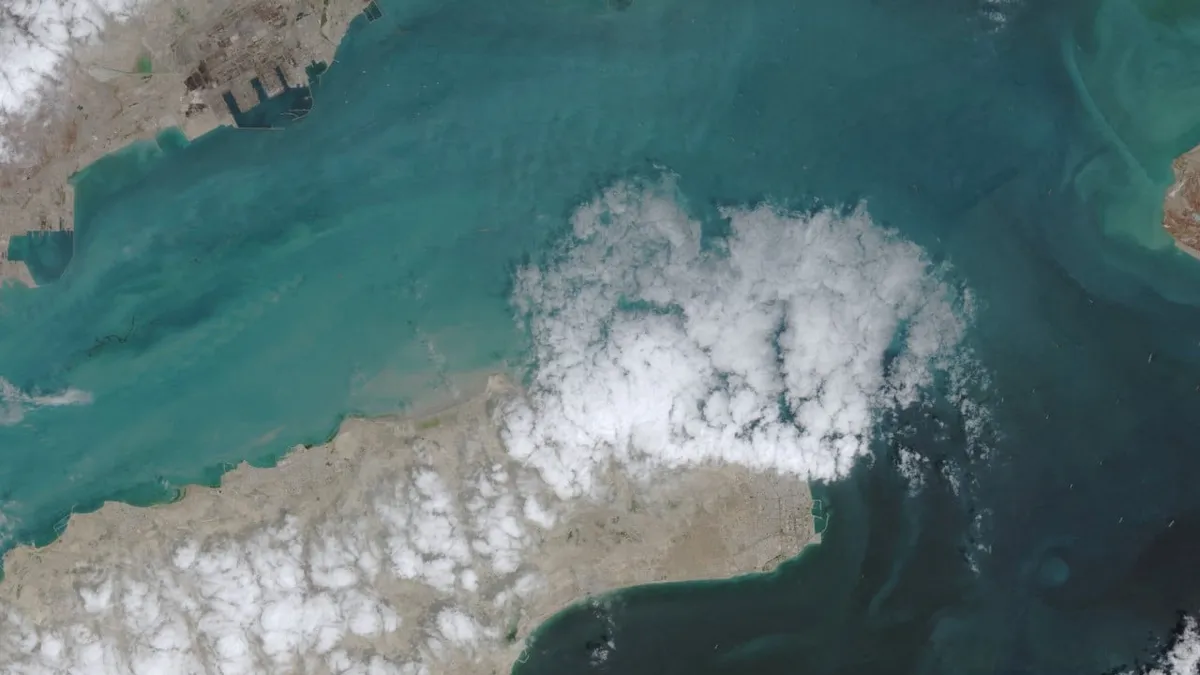
If you've been watching the Strait of Hormuz situation this week and feeling like you're watching someone repeatedly threaten to flip a Monopoly board, you're not alone. Iran has been opening and closing - or threatening to close - one of the world's most critical oil shipping chokepoints with the kind of frequency usually reserved for someone who can't decide whether to order pizza.
What's actually going on
According to reporting by the South China Morning Post, the Islamic Revolutionary Guard Corps (IRGC) announced on Saturday that the strait had been shut down, just hours after it had been reopened. This yo-yo act, according to Chinese analysts cited in the report, is not chaos - it's calculated. Tehran is using the threat of closure as a pressure lever ahead of potential negotiations with the United States, with a two-week ceasefire set to expire on Wednesday.
The analysts' read is that Iran knows full well that actually closing the strait for any meaningful length of time would be economic self-destruction - roughly 20% of the world's oil supply passes through that narrow slice of water between Iran and Oman. But threatening to close it? That costs nothing and rattles markets immediately.
A deal still possible, analysts say
The Chinese analysts quoted in the SCMP report suggest that a deal between Washington and Tehran remains on the table, and that the probability of Iran actually imposing a toll on vessels passing through the strait is low. The on-off closure theatrics, in their assessment, are less about genuine military posturing and more about making sure Iran walks into any negotiation with maximum leverage intact.
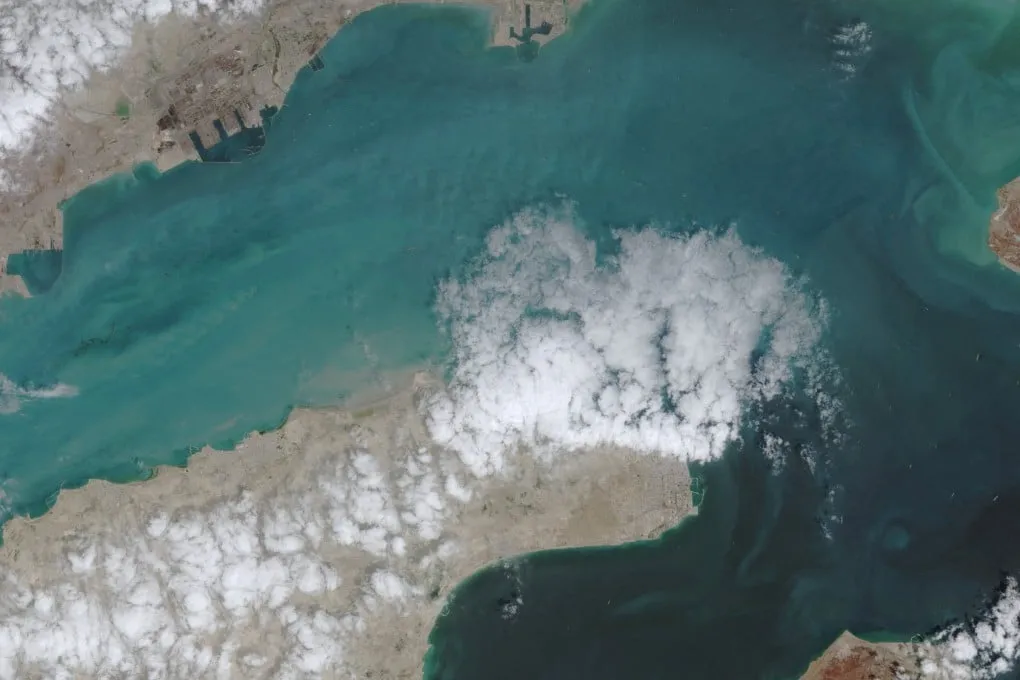
Essentially, Iran is the friend who says "I'm not coming to your party" seventeen times before showing up with a bottle of wine and a list of demands.
Why the rest of the world should care (and is definitely sweating)
The Strait of Hormuz is not just strategically important - it is the jugular vein of global energy supply. Any prolonged disruption would spike oil prices, rattle supply chains, and generally make the global economy have a very bad Tuesday. The fact that markets tend to flinch every time Iran sneezes in the strait's general direction tells you everything about how seriously traders take even the theatrics.
For now, the analysts' consensus seems to be: watch the diplomatic clock, not the military one. The ceasefire deadline Wednesday will likely tell us far more about whether this is brinkmanship or the beginning of something messier.
Source: South China Morning Post