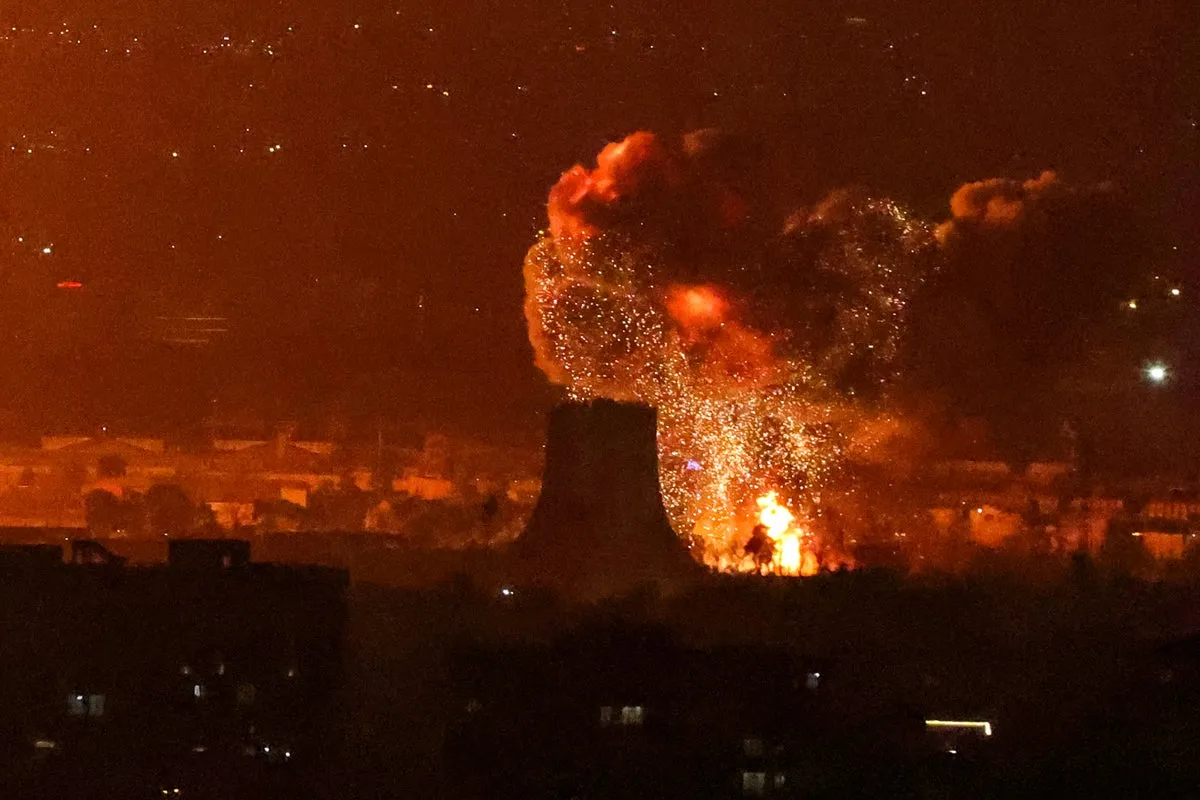
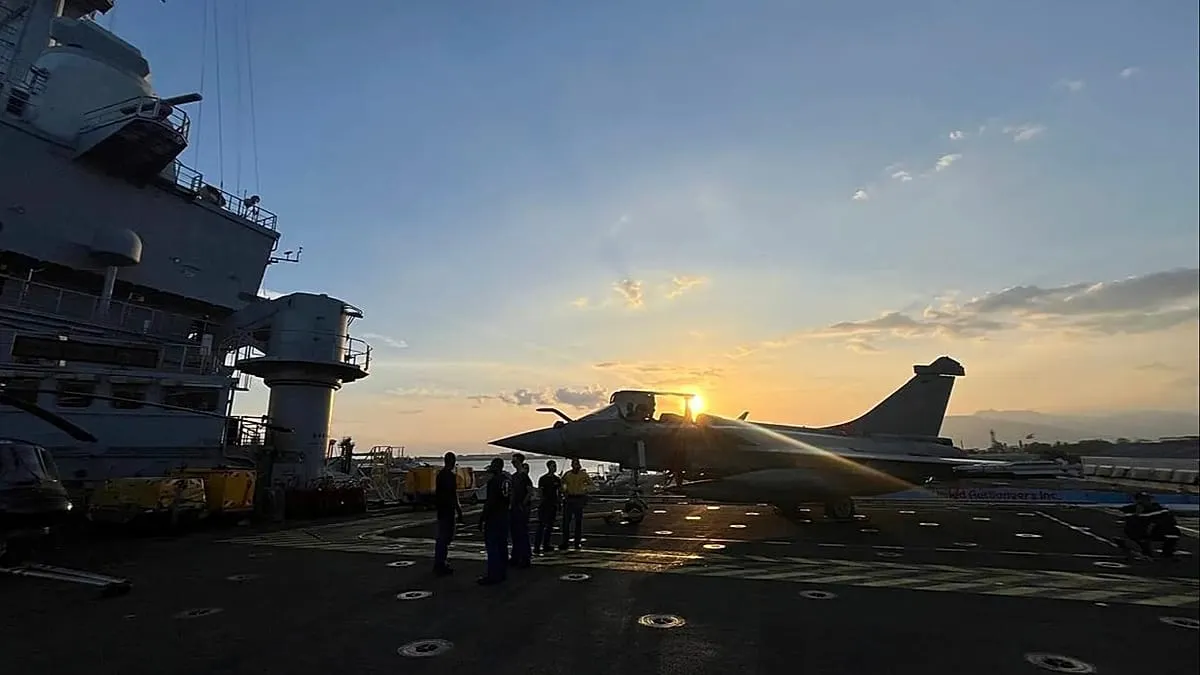
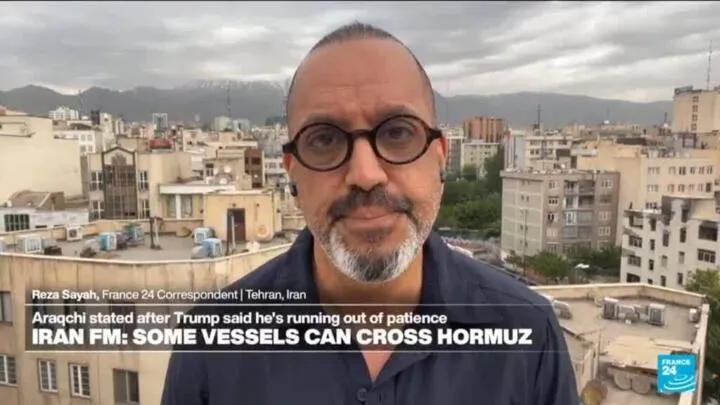
The Strait of Hormuz has become the site of rapidly shifting developments, with Iran reopening the vital waterway to commercial vessels on Friday before moving to close it again shortly after, according to a France 24 report.
Tehran has accused the United States of "piracy" and warned that any ship approaching the strait would be targeted until what it described as a US blockade is lifted. The back-and-forth has injected significant uncertainty into global energy markets, as the strait serves as a chokepoint for a substantial portion of the world's oil supply.
A critical passage under pressure
The Strait of Hormuz, located between Iran and Oman, is one of the most strategically important waterways in the world. Roughly 20 percent of global oil trade passes through the narrow channel, making any disruption there a matter of international economic concern.
The rapid sequence of openings and closures has left shipping operators and governments scrambling to assess risk and adjust routes, according to analysis presented in the France 24 broadcast.

Competing claims fuel the standoff
Iran's characterization of US actions as "piracy" signals a hardening of its position, though Washington has not publicly accepted that framing. The precise nature of the US measures Iran is responding to was not fully detailed in the available source material.
France 24's International Affairs Editor Andrew Hilliar and Yousef Alshammari, President of the London College of Energy Economics, both weighed in on the situation, highlighting the geopolitical and economic stakes involved in any prolonged closure of the waterway.
Economic implications
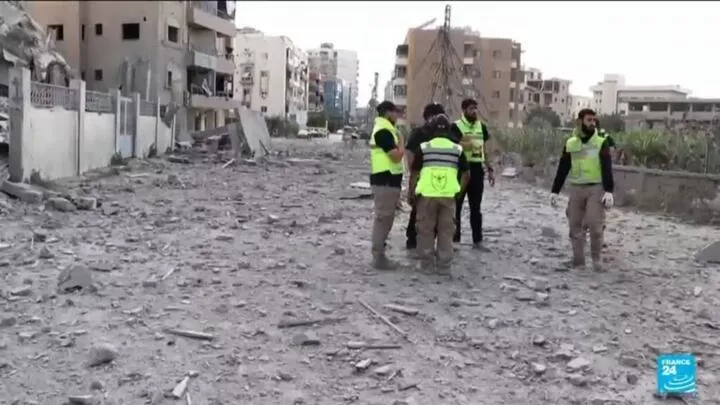
Alshammari's involvement in the France 24 discussion underscores the energy market dimension of the crisis. A sustained closure of the Strait of Hormuz would disrupt oil flows from major Gulf producers including Saudi Arabia, the United Arab Emirates, Kuwait, and Iraq, potentially driving up global energy prices.
Short-term uncertainty alone has historically been enough to cause price volatility in oil markets, even when physical disruptions remain limited.
The situation remains fluid. As of the time of reporting, it was unclear whether Iran's latest closure would hold or whether commercial traffic would again be permitted through the strait in the near term.