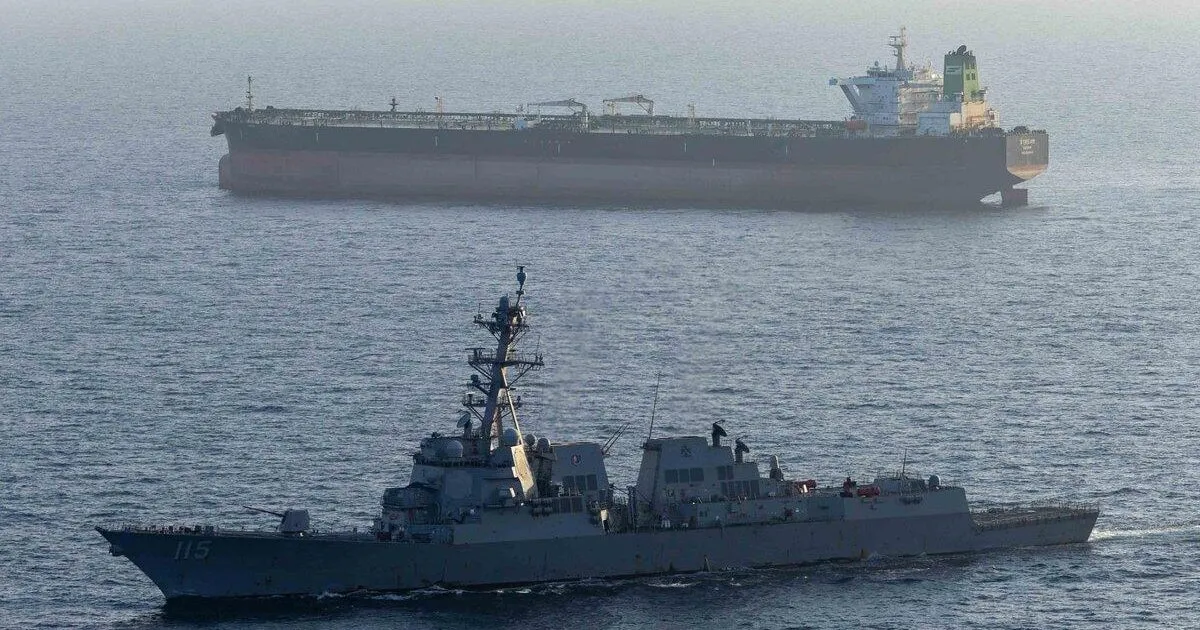
In what can only be described as the geopolitical equivalent of offering someone a band-aid while the house is still on fire, Iran has reportedly proposed reopening the Strait of Hormuz - one of the world's most critical oil chokepoints - while simultaneously asking to pump the brakes on nuclear negotiations. And the Trump administration, according to CBS News, is not exactly doing backflips over the deal.
What's actually on the table
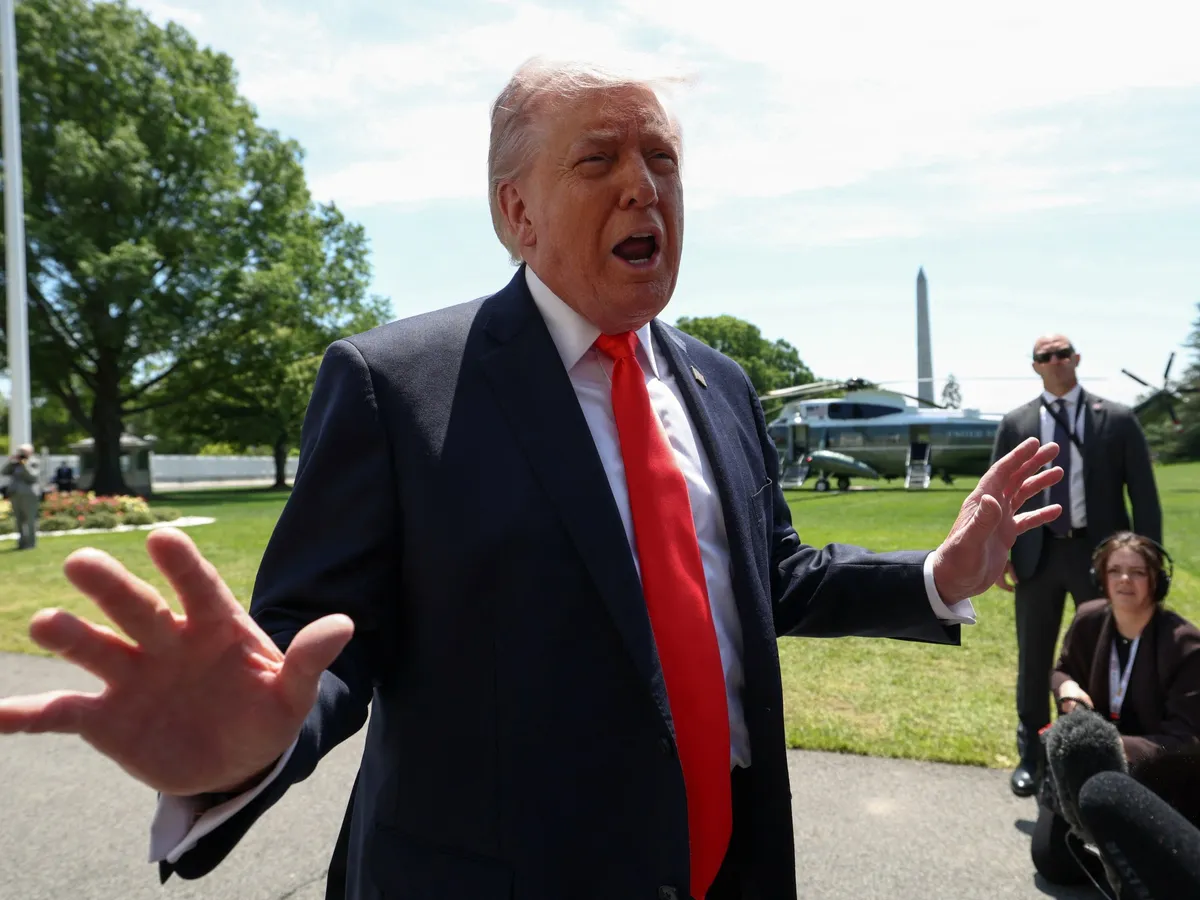
The offer, as reported by CBS News, puts the Trump White House in an awkward spot. On one hand, reopening the Strait of Hormuz would provide immediate relief to global oil markets, which have been sweating bullets. On the other hand, decoupling that relief from progress on Iran's nuclear program is essentially letting Tehran have its cake, eat it too, and send the bill to everyone who drives a car.
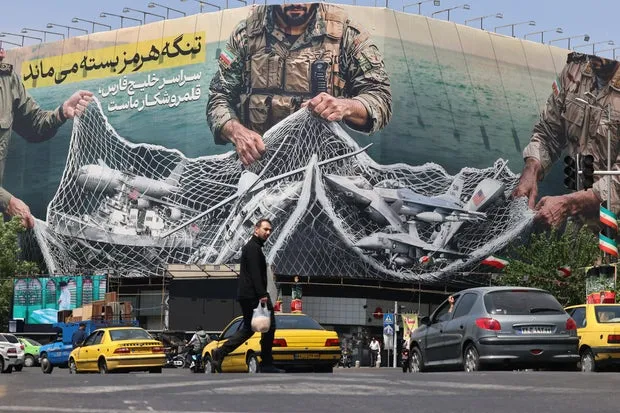
Oil prices have continued their upward march as the administration sits with this diplomatic hot potato, apparently unenthused by Iran's proposed sequencing of events. And who can blame them? Agreeing to separate the two issues would mean giving up significant leverage before the harder conversation even starts.
Why the Strait of Hormuz is such a big deal
For the uninitiated, the Strait of Hormuz is a narrow waterway between Iran and Oman through which roughly 20% of the world's oil supply passes every single day. Blocking or threatening it is Iran's version of pointing a garden hose at a campfire - except the campfire is the global economy. Any disruption there sends oil markets into a full-on panic spiral, which is precisely why Iran keeps it in its back pocket as a bargaining chip.
The Trump administration's dilemma
CBS News reports that the administration is mulling the offer without much enthusiasm, suggesting internal skepticism about whether letting Iran separate these two pressure points serves U.S. strategic interests. Agreeing could ease short-term economic pain but potentially weaken Washington's hand in the nuclear talks that actually matter for long-term regional stability.
So for now, the world's most important shipping lane remains stuck in diplomatic purgatory, oil prices keep ticking upward, and somewhere in Washington, advisors are presumably staring at maps of the Persian Gulf with very strong coffee and even stronger opinions.
The situation remains fluid - pun absolutely intended - and CBS News continues to provide live updates as the standoff develops.