In what can only be described as the world's most tense game of telephone, Iran has reportedly delivered its response to the latest American ceasefire proposal - not directly to Washington, but through Pakistani intermediaries, according to The Independent. Cool move, everyone. Very chill. Totally normal diplomacy.
The core of Tehran's position, per the reporting, centers on securing a permanent end to the war - not a pause, not a ceasefire-lite, not a "we'll stop shooting for a bit and see how we feel" arrangement. Iran is reportedly swinging for the full stop, which is either admirably ambitious or strategically complicated depending on which side of the negotiating table you're sitting on.
Meanwhile, the skies are doing their own thing
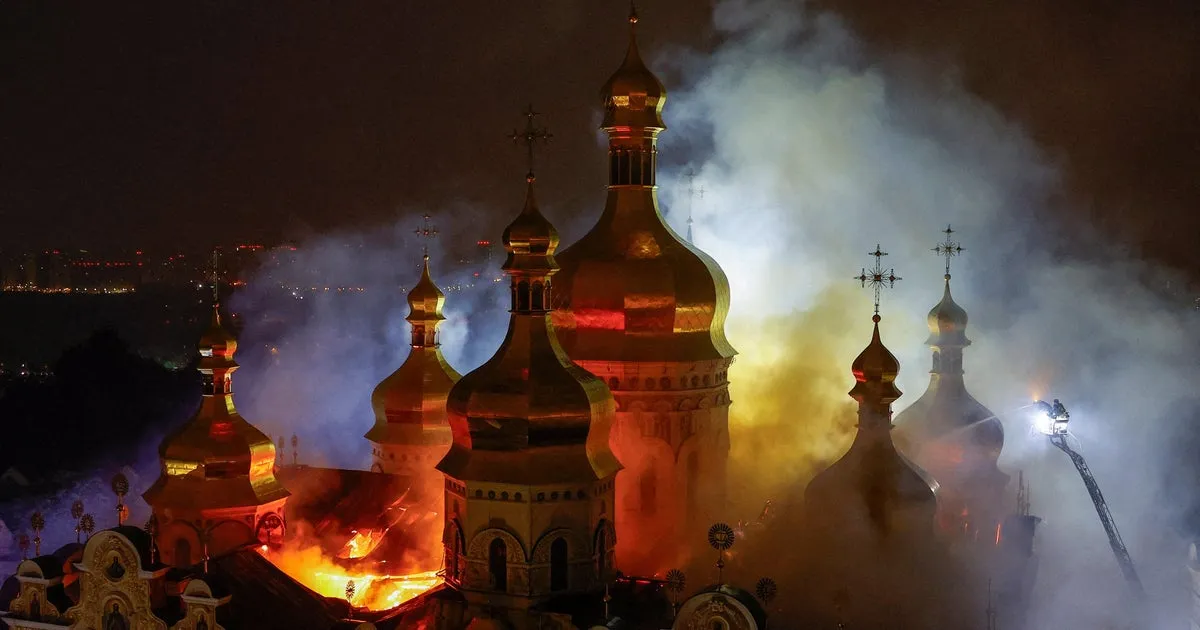
Here's where it gets spicy. At the same time diplomats are busy passing notes through third parties, drone activity targeting Gulf nations has been reported in the region. The juxtaposition of "we want peace talks" and "also there are drones" is, diplomatically speaking, a lot to process. It's like showing up to a job interview and also setting off a car alarm in the parking lot.
The United Arab Emirates and broader Gulf region have been on edge, with the UAE's foreign ministry closely monitoring developments. The Trump administration, which has been pushing diplomatic channels on the Iran file, is presumably watching this all unfold with the kind of energy one reserves for a particularly stressful sporting event.
Pakistan: the unlikely middleman nobody asked about but apparently everyone needs
Pakistan's role as mediator here is worth pausing on. Islamabad has historically tried to maintain workable relationships with both Tehran and Washington - a balancing act so delicate it makes tightrope walking look like a casual stroll. Being the go-between in one of the most loaded geopolitical standoffs on the planet is exactly the kind of assignment nobody puts in a press release but everybody cares about.
It remains unclear, based on available reporting, what specific terms Iran has proposed or how Washington is likely to receive them. The contents of the response have not been publicly disclosed.
What happens next
That's the million - actually, several-billion - dollar question. A genuine ceasefire framework that sticks would represent a seismic shift in regional dynamics. But with drones still making headlines and both sides maintaining maximalist public postures, the gap between a letter passed through Islamabad and an actual lasting peace remains, let's say, non-trivial.
Watch this space. Or rather, watch the skies.