In what is perhaps the least surprising diplomatic development of the year, Iran's Foreign Minister Abbas Araghchi traveled to St. Petersburg on Monday to meet with Russian President Vladimir Putin - and yes, the United States got roasted in the process.
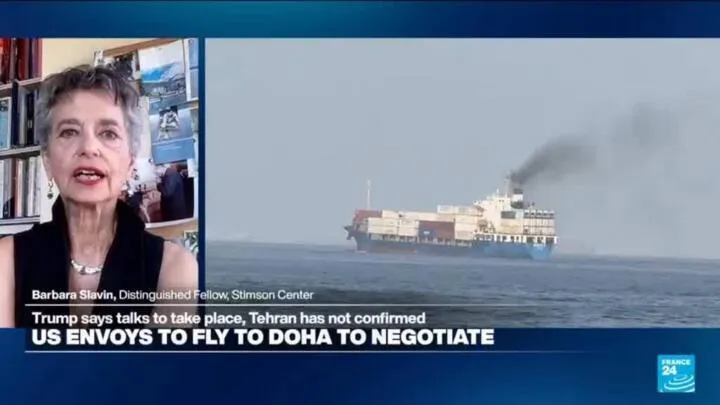
According to France 24, Araghchi squarely blamed Washington for the collapse of Middle East peace negotiations, making his case directly to one of America's favorite geopolitical sparring partners. Putin, ever the gracious host when it comes to receiving America's critics, reportedly promised Moscow's full support in helping bring the ongoing conflict to an end.
A diplomatic buddy movie nobody asked for
The meeting between Araghchi and Putin fits neatly into a now-familiar pattern: when Iran wants a sympathetic ear and a powerful friend to stand next to in the diplomatic schoolyard, Russia is reliably available. The two countries have cultivated closer ties in recent years, bound together in large part by shared tensions with the West.
Araghchi's visit comes amid broader frustrations in the region over the pace - or rather the complete stalling - of ceasefire and peace efforts. From Tehran's perspective, the United States is the main obstacle to any meaningful resolution, a position that Moscow is unlikely to publicly dispute anytime soon.
What Putin actually promised
Details on the specifics of Moscow's "support" remain somewhat vague, as tends to be the case with Kremlin announcements. Putin's pledge to help bring the war to a close is a commitment that sounds significant on paper, though the practical mechanics of Russian diplomatic leverage in the Middle East are, shall we say, complicated - given that Moscow is simultaneously neck-deep in its own war in Ukraine.
The bigger picture
The Araghchi-Putin sit-down is more than just two countries venting about America over tea. It signals that Iran is actively working to shore up international backing for its diplomatic positions, and that Russia continues to position itself as an indispensable power broker in Middle Eastern affairs - a role it has been aggressively cultivating since its military intervention in Syria over a decade ago.
Whether any of this translates into actual progress toward peace is, of course, another question entirely. But for now, the blame has been officially assigned, handshakes have been exchanged, and the world keeps spinning.
Source: France 24