The United States has dropped a geopolitical bombshell into what was supposed to be a thawing relationship with China, adding electric vehicle giant BYD, e-commerce titan Alibaba and search engine behemoth Baidu to its official list of companies believed to be supporting Beijing's military apparatus, according to The Guardian.
The updated Pentagon list, released on Monday, is a sweeping expansion of a previous version published in early 2025 - and it now includes a broad swathe of China's most recognizable technology brands. You know, just casual stuff. Nothing that could possibly cause a scene.
Timing is everything (or terrible)
Here is where it gets spicy. This update landed less than a month after President Donald Trump sat down with Chinese President Xi Jinping for what diplomats presumably hoped would be a warm, tension-easing meeting. The Pentagon apparently did not get that memo, or got it, read it, and decided to file it under "not our problem."
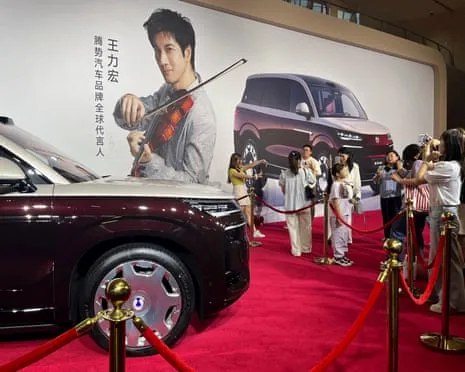
The inclusion of BYD is particularly eyebrow-raising. The Shenzhen-based carmaker has spent years aggressively expanding into global markets, positioning itself as a consumer-friendly, green-energy company. Being named on a US military-links list is, to put it gently, not great for brand vibes.

What does being on this list actually mean?
The so-called "1260H list" - named after a section of the National Defense Authorization Act - does not impose direct sanctions on the named companies. However, it serves as a reputational and regulatory pressure tool, signaling to US investors, partners and contractors that these firms are considered problematic by the Defense Department. Companies added to the list have historically faced increased scrutiny and difficulty operating in American markets.
Alibaba and Baidu, both already operating under significant pressure from US regulators and export controls, now find themselves with an additional asterisk next to their names in Washington's ledger.
China is not going to love this
The Guardian reports the move could "inflame tensions" between the two countries - which, given the current climate, is a bit like warning that tossing a lit match into a fireworks factory could cause some noise. Beijing has consistently and forcefully rejected US claims that its major civilian tech companies are extensions of the People's Liberation Army.
Whether this list update triggers a formal Chinese response - trade countermeasures, regulatory retaliation, or a strongly-worded statement that absolutely nobody will ignore - remains to be seen. But one thing is clear: the diplomatic honeymoon after the Trump-Xi summit was very, very short.