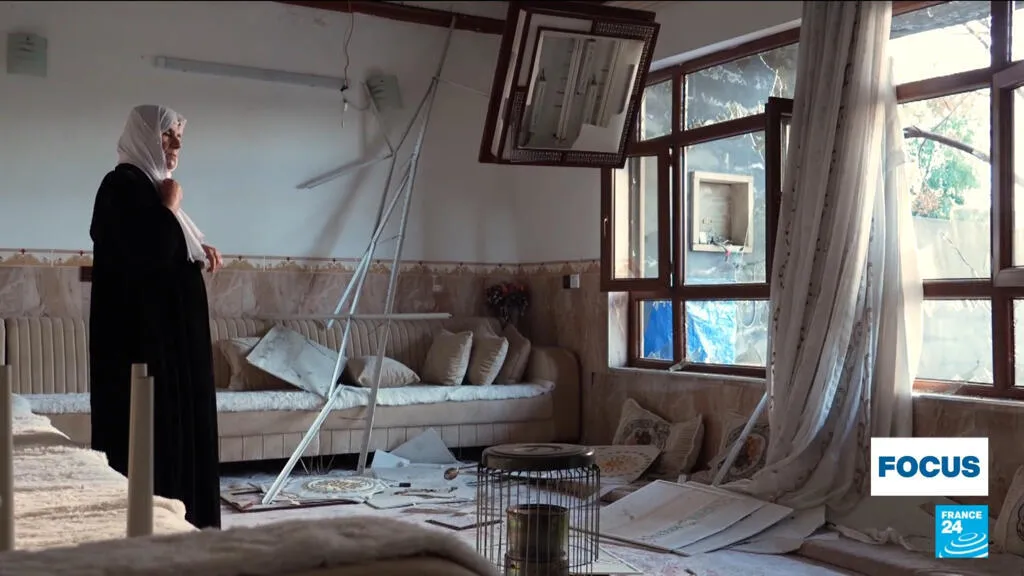
Residents of Iraqi Kurdistan are grappling with the aftermath of roughly six weeks of drone and missile strikes that killed civilians and left communities in a state of prolonged fear, according to a report by France 24.
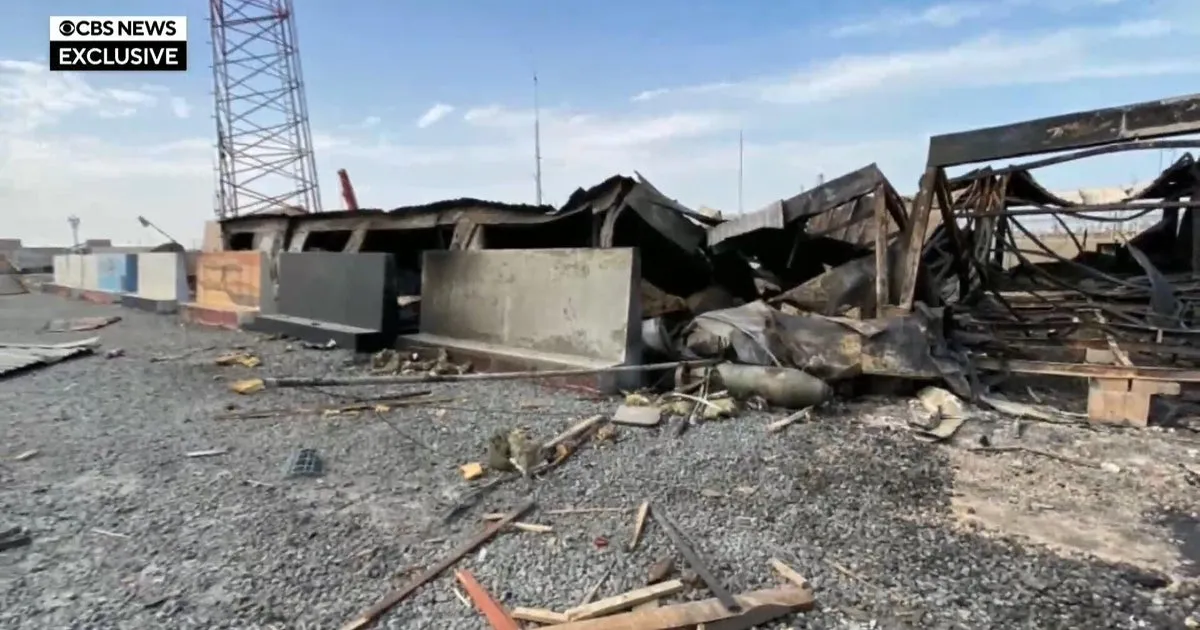
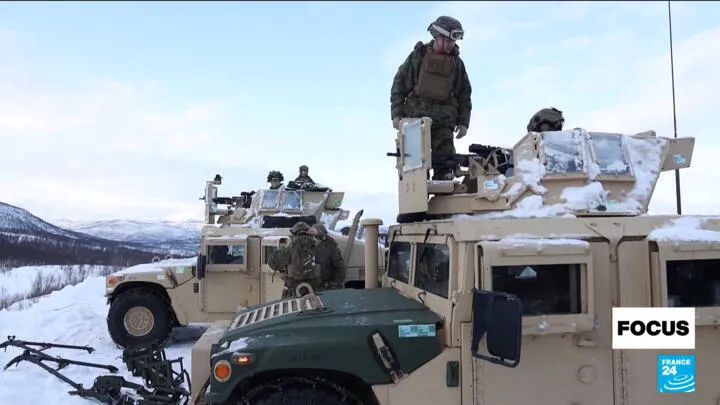
Around 700 drone and missile attacks targeted US military positions and Kurdish interests in the region during the period, according to the report. Kurdish authorities attributed the strikes to Iran, framing them as spillover from the broader confrontation between Tehran and Washington.
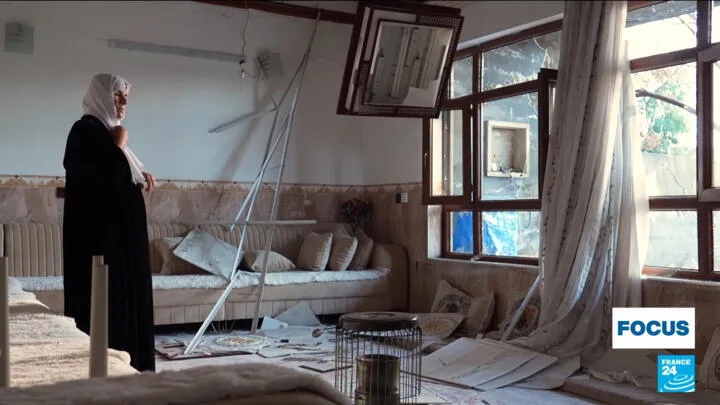
Just 24 hours before a ceasefire came into effect, a civilian was killed in a drone strike - a death that underscored how the conflict's final hours remained lethal for ordinary people caught in its path.
Indirect victims of a wider conflict
Survivors and relatives of those killed have expressed a profound sense of injustice at being drawn into a war they had no part in. The sentiment, captured in interviews by France 24 correspondent Marie-Charlotte Roupie, reflects a widespread feeling among the local population that they bore consequences for decisions made far beyond their borders.
"We weren't at war with anyone," residents told France 24 - a phrase that encapsulated the anguish felt across communities that found themselves targets despite having no stake in the US-Iran standoff.
Families of victims described being devastated by losses they see as entirely avoidable, the product of geopolitical rivalry playing out on their soil.

Exhaustion after weeks of threat
Beyond the immediate casualties, the extended period of drone activity has taken a significant psychological toll. Residents described living under the constant threat of strikes for more than a month, with daily life disrupted and a pervasive sense of insecurity replacing any semblance of normalcy.
The ceasefire brought relief, but for those who lost family members or witnessed destruction in their communities, the end of active hostilities has done little to ease the grief or answer lingering questions about accountability.
Iraqi Kurdistan occupies a strategically sensitive position in the region, hosting US forces and operating with a degree of autonomy from the central government in Baghdad. That position has historically made it a flashpoint when tensions between Washington and Tehran escalate.
The human cost documented by France 24 highlights the vulnerability of civilian populations in regions where great-power rivalries intersect with local governance structures, leaving ordinary people with limited recourse when conflict arrives at their doorstep.