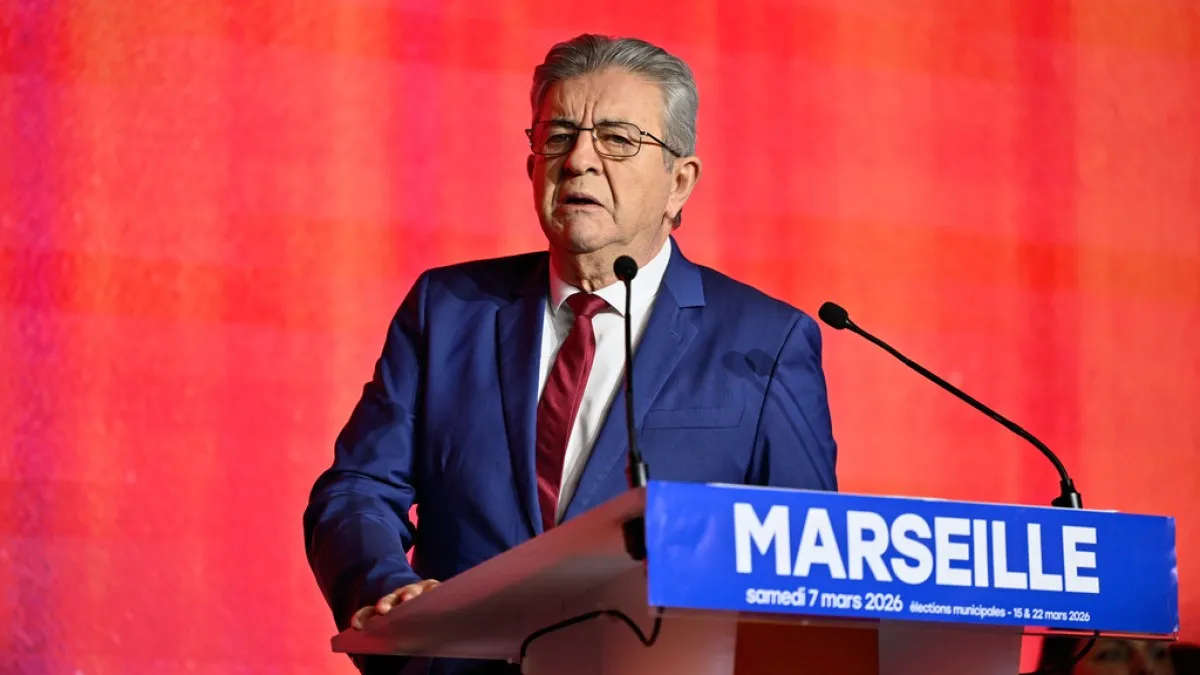
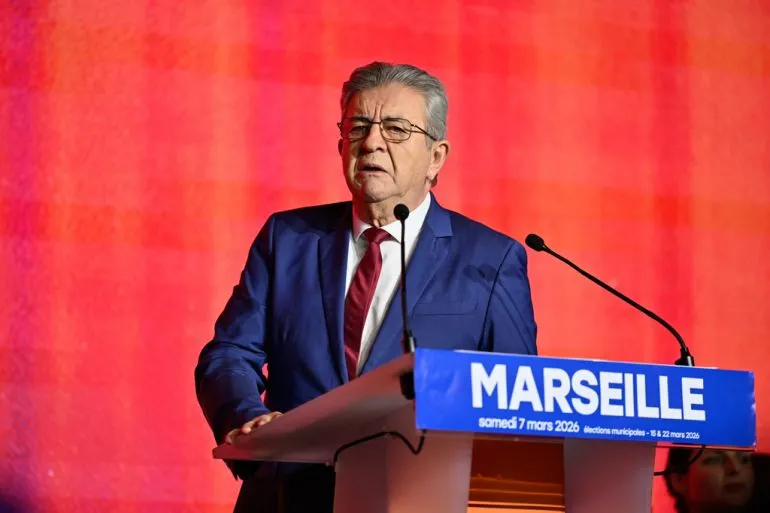
Jean-Luc Melenchon, the 74-year-old firebrand leader of France's La France Insoumise (LFI) movement, has officially announced he will run for president in 2027 - marking his fourth attempt at the Elysee Palace, because apparently three rejections just weren't enough motivation to try a fourth time, according to reporting by Al Jazeera.
To be fair to the man, the political landscape heading into 2027 looks dramatically different from any previous election cycle. Emmanuel Macron is constitutionally barred from seeking a third term, leaving a gaping centrist vacuum that roughly seventeen different politicians are already fighting over. Meanwhile, far-right leader Marine Le Pen is facing a potential ban from running following her conviction in a case involving the misuse of European Parliament funds - a legal saga that continues to dominate French political headlines.
Why this actually matters
France's 2027 presidential election is shaping up to be a genuine free-for-all, and Melenchon's entry adds yet another layer of chaos to what is already a spectacularly complicated race. With the two dominant figures of the last decade either gone or potentially sidelined, the door is theoretically cracked open for the left to make a serious push.
Melenchon has consistently performed better than many expected at the polls. In both 2017 and 2022, he cleared roughly 20% of the first-round vote, narrowly missing out on a place in the runoff in 2022. That near-miss remains perhaps the most tantalizing "what if" in recent French political history.
The problem with running four times for anything
Political stamina is one thing. Political novelty is another. Critics within the French left have argued for some time that Melenchon's polarising personality - he is not exactly known for his warm and fuzzy interpersonal style - makes it harder to build the broad coalitions needed to actually win a French presidential runoff.
The left in France also remains notoriously fragmented, with socialists, greens, and communists all jostling for relevance alongside LFI. Whether Melenchon can unite that coalition behind himself, rather than serve as a point of contention within it, is arguably the central question of his 2027 campaign.
What happens next
The election is still two years away, which in French politics is approximately four hundred news cycles and three government collapses. Le Pen's legal situation will continue to evolve, the centre-right will attempt to find a credible candidate, and Melenchon will almost certainly say several things between now and April 2027 that generate significant controversy.
One thing is certain: French politics remains the gift that keeps on giving.
Source: Al Jazeera