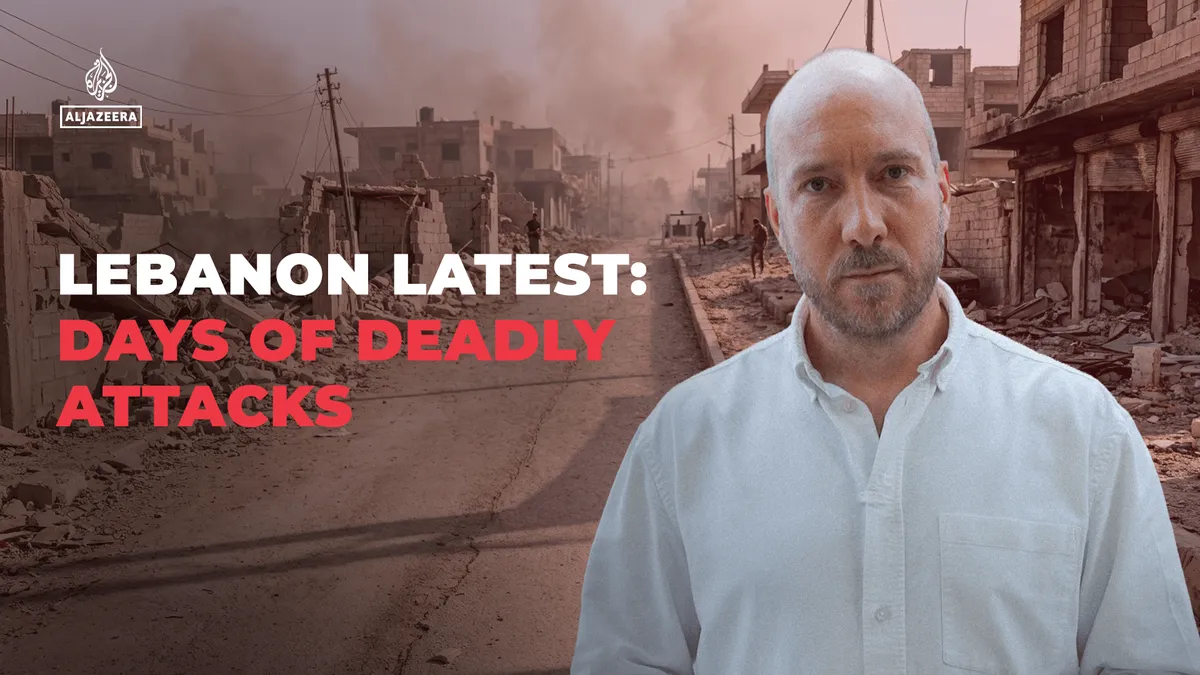
In a move that screams 'we'll deal with it later,' Israel and Lebanon have agreed to extend their already-fragile ceasefire by another 45 days, the United States announced following two days of talks in Washington. According to France24, the extension was confirmed after diplomatic negotiations aimed at laying groundwork for a broader political settlement.
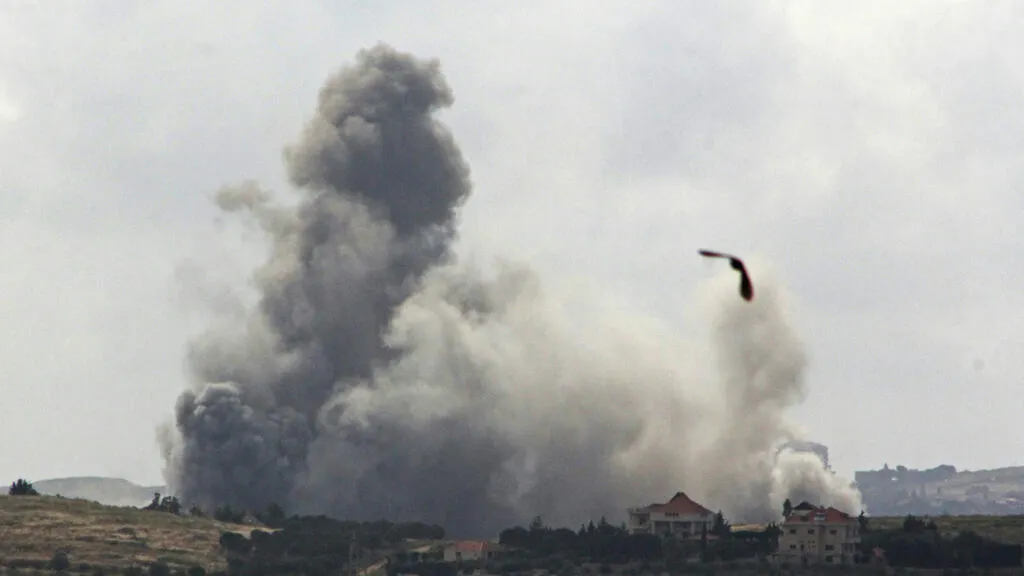
The original ceasefire, which technically kicked in on April 17, has had one rather glaring flaw: it never actually stopped the fighting between Israel and Hezbollah. So what we essentially have is a ceasefire in name, held together with diplomatic duct tape and some very optimistic Washington handshakes.
So what did they actually agree to?
Beyond hitting the snooze button on the ceasefire expiration - which had been looming this Sunday - both sides agreed to hold expanded talks focused on reaching a political settlement. That's the diplomatic equivalent of saying 'let's schedule a meeting about scheduling a meeting,' but hey, it beats the alternative.
The US played the role of eager mediator, announcing the deal after the Washington talks wrapped up. No small feat given that the two parties involved have been, to put it mildly, not on great terms.
Why this actually matters
Fragile as it is, a 45-day extension is not nothing. Each day of non-escalation - even imperfect non-escalation - is a day where expanded regional conflict stays off the table. The hope, presumably, is that the expanded political talks will inch toward something more durable before the next deadline arrives and everyone scrambles again.
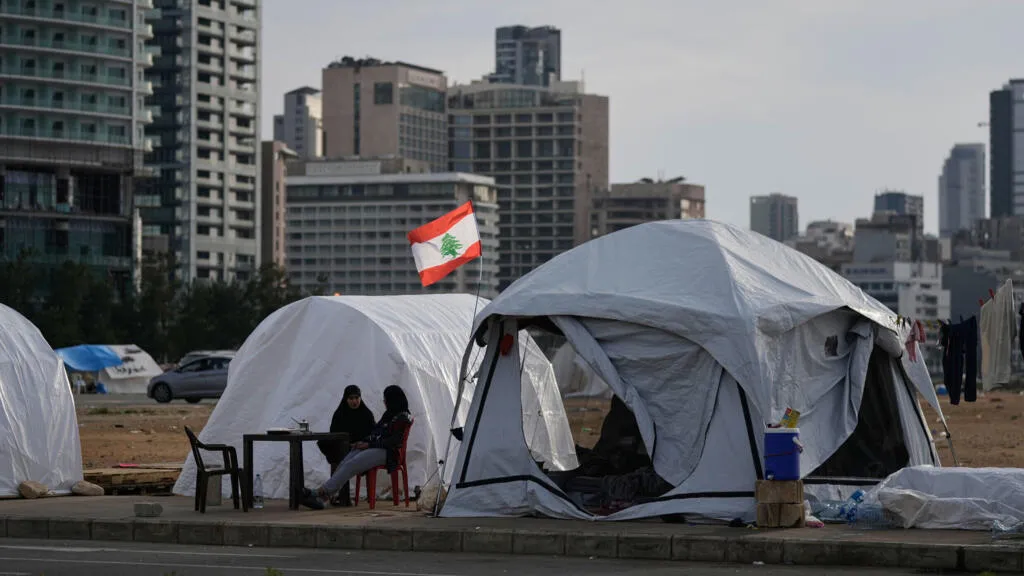
Lebanon has been in an extraordinarily precarious position, with Hezbollah operating as a powerful non-state actor whose interests don't always align with Beirut's official government positions. Getting any kind of negotiated framework off the ground is genuinely complicated stuff.

The clock is ticking, again
Mark your calendars, because in roughly 45 days we'll be doing this whole song and dance again - either celebrating a breakthrough political agreement (optimistic) or watching diplomats sweat through another last-minute extension scramble (more realistic). The pattern is becoming familiar enough to feel almost routine, which is either reassuring or deeply unsettling depending on your worldview.
For now, the ceasefire lives to see another day - or 45 of them. Washington is calling it progress. The region is calling it... complicated.